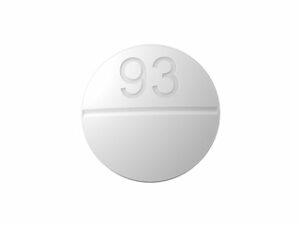
Nexium® (Esomeprazole) — Patient Information (Australia)
Nexium® is a brand of esomeprazole, a medicine used to reduce stomach acid. It belongs to a group known as proton pump inhibitors (PPIs). This page explains how Nexium works, when it’s used, how to take it, and important safety information to help you use it confidently.
Key product information
| Feature | What to know |
|---|---|
| Active ingredient | Esomeprazole |
| Medicine type | Proton Pump Inhibitor (PPI) |
| How it works | Reduces acid production in the stomach |
| Common forms | Delayed-release capsules / sachets (depending on product range) |
| Typical onset | Improvement often within 1–3 days; maximum effect may take longer |
| Storage | Follow label instructions (typically cool, dry place; keep out of reach of children) |
How Nexium works (mechanism of action)
Esomeprazole works by blocking the “proton pump” (a special acid-producing system) in the stomach lining. These pumps are responsible for the final step of acid production. By inhibiting them, Nexium reduces both:
- Basal acid secretion (acid produced continuously)
- Stimulated acid secretion (acid produced in response to food)
Because esomeprazole acts directly on the acid-producing system, it generally works best when taken at the correct time before meals—allowing the medicine to be present in the body when pumps are active.
Pharmacokinetics (how your body handles it)
Understanding pharmacokinetics can help explain the timing guidance. In general:
- Absorption: Esomeprazole is absorbed in the small intestine. The delayed-release form helps protect it from stomach acid.
- Onset: Acid reduction begins after dosing; symptom relief is often gradual rather than immediate.
- Distribution: It is widely distributed in the body and binds to plasma proteins.
- Metabolism: It is mainly metabolised in the liver (predominantly via CYP2C19 and CYP3A4 pathways).
- Elimination: Break down products are removed mainly through urine and stool.
- Effect duration: Even with once-daily dosing, acid suppression can last through the day and into the next 24 hours.
Individual metabolism can vary between people, which is one reason why some individuals respond faster or more strongly than others.
Typical uses in Australia
Nexium is used to treat conditions related to excess stomach acid or acid-related irritation. Common uses include:
- Gastro-oesophageal reflux disease (GORD) / reflux symptoms (heartburn, acid regurgitation)
- Erosive oesophagitis (inflammation and damage to the oesophagus caused by reflux)
- Maintenance of healing in some reflux-related situations
- Helicobacter pylori (H. pylori) infection when used as part of an appropriate combination regimen with other medicines
- Zollinger–Ellison syndrome (rare acid-secreting disorders) under specialist management
Exact eligibility and dosing vary by product strength and the condition being treated. Always follow the instructions on your medicine pack.
Indications (when Nexium may be used)
Nexium may be indicated for the following acid-related conditions:
- Reflux disease: persistent heartburn, sour taste, burning sensation in the chest, regurgitation
- Oesophageal inflammation: symptoms associated with acid-related damage
- H. pylori-related peptic ulcer disease: as part of multi-medicine regimens (varies by local guidance)
- Other acid hypersecretory states: such as Zollinger–Ellison syndrome
How to take Nexium: timing and practical guidance
The timing of esomeprazole is important because it works best when taken before meals. Here are patient-friendly tips:
When to take it
- Once daily (typical): take it at least 1 hour before food. Many people take it 30–60 minutes before breakfast.
- If directed twice daily: take one dose before breakfast and the second dose before the evening meal (timing should match your routine and label instructions).
- Try to take it at the same time each day to maintain consistent acid suppression.
How to swallow
- Delayed-release capsules/sachets: swallow whole or follow the product-specific instructions for opening/suspending if provided.
- Do not crush or chew unless the specific product instructions state it is safe to do so.
- If you miss a dose, take it when you remember unless it’s near the time of the next dose. Don’t double up.
How long before you feel better?
Many people notice improvements in reflux symptoms within a few days. However, some conditions—especially oesophagitis—may take longer to heal. If symptoms do not improve as expected, consult a healthcare professional and check whether your dosing and timing are correct.
Food interactions and lifestyle considerations
Esomeprazole is sensitive to timing with food. The goal is to reduce acid production when the proton pumps are activated. Food itself doesn’t “cancel” the medicine, but taking Nexium too close to meals can reduce effectiveness.
Practical food guidance
- Take before meals (commonly 30–60 minutes before breakfast).
- If you take it after eating, the effect may be less consistent.
- If you have a late breakfast, shift your dose accordingly—aim for 1 hour before your first meal.
Other lifestyle measures that often help reflux
- Maintain a healthy weight (if relevant)
- Avoid large meals, especially close to bedtime
- Elevate the head of the bed if night symptoms occur
- Consider reducing triggers (for many people: caffeine, chocolate, fatty meals, spicy foods, peppermint)
Alcohol interactions
There is no universal “absolute” alcohol rule for all patients using PPIs, but alcohol can worsen reflux symptoms and may irritate the oesophagus in some people. This can make Nexium feel less effective.
- If you drink alcohol, consider limiting it—particularly in the evening.
- Avoid alcohol on an empty stomach if it tends to trigger burning or nausea.
- If you experience worsening heartburn, discuss with a healthcare professional.
Medicine interactions (important)
Esomeprazole can interact with some medicines by changing stomach acidity, affecting absorption, or through liver enzyme metabolism. Always review any other medicines you take, including: prescription medicines, over-the-counter medicines, vitamins, and herbal products.
Common interaction areas to be aware of
- Medicines requiring stomach acid for absorption: reduced acid can lower absorption. Examples may include some antifungals (e.g., ketoconazole/itraconazole) and certain iron or vitamin formulations. Your pharmacist can advise based on your specific products.
- Clopidogrel: some PPIs may reduce the activation of clopidogrel. Your pharmacist/doctor may recommend specific options or monitoring depending on your situation.
- Warfarin (and other vitamin K antagonists): monitoring may be needed because INR can change.
- Antiretroviral medicines: some HIV medicines’ absorption may be affected.
- Methotrexate: high-dose regimens may be impacted by PPIs. Seek advice if you use methotrexate.
- Herbal remedies and enzyme inducers/inhibitors: certain products can alter esomeprazole levels.
Tip: If you start or stop another medicine while taking Nexium, re-check possible interactions with your pharmacist.
Dosing overview (general information)
Dosing depends on the condition, severity, and whether other medicines are used. Follow the instructions on your Nexium pack or provided by your healthcare professional.
Common dose strengths
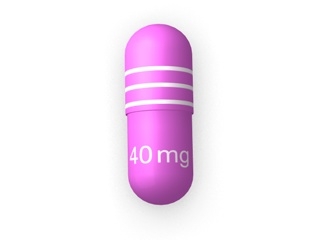
- Common available strengths include 20 mg and 40 mg (depending on the product range in Australia).
Typical dosing patterns (examples)
The following are general patterns often used for reflux and related conditions. Your exact dose may differ.
- Reflux symptoms (mild to moderate): often 20 mg once daily for a trial period, depending on product guidance and response.
- More severe reflux / oesophagitis: sometimes 40 mg once daily (or adjusted based on clinician assessment).
- Combination regimens for H. pylori: typically involve multiple medicines taken together for a set number of days. The precise schedule varies by regimen.
If symptoms improve, do not automatically increase dose. In many cases, the lowest effective dose and the shortest necessary duration are preferred. If symptoms persist, it’s important to reassess the diagnosis and dosing strategy.
Safety profile: what to watch for
Nexium is generally well tolerated by many people. However, like all medicines, it may cause side effects. Most side effects are mild and temporary.
Common side effects
- Headache
- Nausea
- Diarrhoea or constipation
- Abdominal pain or bloating
- Gas
Serious but uncommon risks
Serious adverse effects are less common, but you should seek prompt medical attention if you experience warning symptoms such as:
- Severe or persistent diarrhoea, especially if watery or with fever (possible gut infection)
- Allergic reactions (swelling of face/lips, difficulty breathing, rash)
- Unexplained weight loss, difficulty swallowing, vomiting blood, black/tarry stools
- Chest pain or symptoms that could suggest a heart problem (reflux can mimic heart symptoms)
Long-term use considerations
If Nexium is used for a prolonged period, it may be associated with certain risks. For example, long-term acid suppression can contribute to:
- Lower magnesium levels in some people
- Vitamin and mineral changes (for example, vitamin B12 in some cases)
- An increased risk of certain infections (because acid helps limit bacterial survival)
If you are using Nexium for months or years, discuss a review plan with a healthcare professional.
Practical use tips (to get the best results)
- Confirm timing: take it before meals as directed on your pack.
- Use consistently: don’t “skip around” if you’re treating frequent reflux.
- Keep a symptom note: rate heartburn and regurgitation daily to understand response.
- Check other products: some antacids can help short-term symptoms, but they don’t replace PPIs for healing.
- Be cautious with “on-demand” use: PPIs are usually not as effective when taken only occasionally for sudden symptoms. They work best with a planned daily schedule for reflux/oesophagitis treatment.
- Don’t ignore red flags: persistent symptoms, trouble swallowing, or bleeding symptoms should be assessed promptly.
Alternative options
Depending on your condition and symptom pattern, clinicians may consider other medicines or strategies. Alternatives include:
Other medicine groups
- H2-receptor antagonists (H2 blockers) (e.g., famotidine) — can reduce acid, sometimes useful for milder symptoms.
- Antacids — provide fast, short-term relief but generally don’t heal inflammation as effectively as PPIs.
- Alginate-based products — can reduce reflux by forming a “raft” barrier for some people.
PPIs other than Nexium
If esomeprazole isn’t suitable or doesn’t control symptoms adequately, some other PPIs (such as omeprazole, pantoprazole, or lansoprazole) may be considered. Response can vary between individuals.
Non-medicine approaches
- Diet and lifestyle modifications for reflux triggers
- Weight management if relevant
- Bed elevation for night symptoms
- Evaluation for conditions such as gastritis, ulcer disease, or other causes of upper GI symptoms
Australia market and legal context
Nexium (esomeprazole) is supplied in Australia under regulated standards and is available through pharmacy supply channels. Availability can depend on pack size, strength, and local regulatory classification. Some esomeprazole products may be available for supply under pharmacist guidance, while other situations may require clinician involvement.
Medicines in Australia are regulated by the Therapeutic Goods Administration (TGA). Supply and advice must follow Australian rules around appropriate use, patient counselling, and monitoring.
Recent guidance and best-practice themes (high level)
In Australia, current best-practice approach to reflux and PPI therapy commonly emphasises:
- Correct diagnosis before long-term therapy
- Using the lowest effective dose
- Reassessing the need periodically (especially for long-term use)
- Attention to alarm symptoms (such as difficulty swallowing, bleeding, or significant weight loss)
- Reviewing medicine interactions for patients taking multiple therapies
- H. pylori testing/strategy where relevant, rather than relying on acid suppression alone
Guidance can evolve over time and may be influenced by emerging evidence and local clinical recommendations. If you are unsure whether long-term therapy is still appropriate, ask a pharmacist for advice on step-down or review options.
Delivery and availability (online pharmacy)
Nexium (esomeprazole) is typically stocked in Australia in different pack sizes and strengths (subject to availability). Delivery times can vary by location and courier service.
- Availability: If a specific strength or pack size is temporarily out of stock, you may be offered an alternative equivalent option.
- Delivery: Orders are usually packed and dispatched promptly, with tracking provided where available.
- Storage on arrival: Keep the product in a cool, dry place and out of reach of children.
- Packaging: Medicines should arrive in manufacturer-supplied packaging.
If you have questions about product form (capsule vs sachet), strength, or dosing instructions, check the product details on the site or ask a pharmacist before using.
FAQ — Frequently asked questions about Nexium
1) Is Nexium the same as esomeprazole?
Yes. Nexium® is a brand name. The active ingredient is esomeprazole.
2) How quickly does Nexium work?
Many people feel symptom relief within 1–3 days. Healing of inflammation can take longer. If there is no improvement within the expected time frame for your condition, speak with a healthcare professional.
3) Can I take Nexium with food?
It’s best taken before meals. Taking it too close to eating may reduce effectiveness. Aim for the timing described on the pack—often 30–60 minutes before breakfast (or at least 1 hour before food).
4) What if I miss a dose?
Take it when you remember unless it’s close to the next dose. If it’s nearly time for the next dose, skip the missed dose. Do not double.
5) Can I drink alcohol while taking Nexium?
Alcohol may worsen reflux symptoms for some people and can irritate the oesophagus. If you drink, consider limiting it and avoid alcohol close to bedtime. If your symptoms worsen, seek advice.
6) Are there medicines I should avoid?
Interaction risks depend on what you take. Some medicines may interact through absorption or liver metabolism. Tell your pharmacist about all medicines you use, including over-the-counter products and herbal remedies.
7) Is Nexium safe for long-term use?
Many people take PPIs safely, but long-term use should be reviewed periodically. If you require ongoing therapy, it’s recommended to use the lowest effective dose and have periodic reassessment.
8) When should I get urgent medical help?
Seek urgent medical attention if you have signs such as trouble swallowing, vomiting blood, black/tarry stools, unexplained weight loss, severe chest pain, or severe/persistent diarrhoea.
9) What if my symptoms don’t improve?
Persistent symptoms may indicate a different cause, incorrect timing, insufficient dose, or complications. It’s important to reassess rather than continue indefinitely without review.
10) What are alternatives to Nexium?
Alternatives may include other PPIs, H2 blockers, antacids, and alginate-based products, depending on your symptoms. Lifestyle measures can also make a significant difference.
Important note
This information is intended to help you understand Nexium (esomeprazole) and how it is commonly used. It does not replace personalised advice from a healthcare professional or pharmacist. If you have questions about dosing, interactions, or whether Nexium is suitable for you, speak with a pharmacist.