Prograf (Tacrolimus) — Patient Information (Australia)
Prograf is a brand of tacrolimus, a medicine used to prevent and treat organ rejection and to manage certain immune conditions. This guide is written to help you understand how Prograf works, what to expect, and how to use it safely in everyday life in Australia.
Important: Your transplant team or specialist will tailor your dose to your individual needs. Tacrolimus medicines have a narrow safety margin, so regular monitoring is essential.
Basic product information
- Active ingredient: Tacrolimus
- Brand: Prograf
- Medicine type: Calcineurin inhibitor (immunosuppressant)
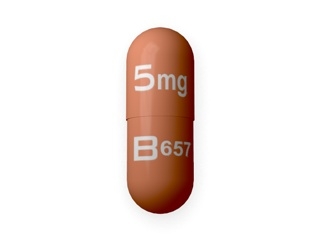
- Common formulations: Capsules (often in different strengths)
- Where it’s used: Mainly for prevention/treatment of rejection in transplant recipients
How Prograf is supplied: Available through pharmacies under appropriate Australian healthcare arrangements. Stock availability can vary by strength and form.
How Prograf works (mechanism of action)
Prograf contains tacrolimus, which reduces the activity of a key part of the immune system called the calcineurin pathway. This pathway helps activated T-cells (a type of immune cell) multiply and release signals that drive immune rejection.
- Prograf binds to an internal cell protein (FKBP-12).
- The resulting complex inhibits calcineurin.
- This reduces the production of immune signals (including interleukins), lowering the chance of rejection of a transplanted organ.
Because it suppresses immune responses, Prograf helps protect your graft—but it also increases susceptibility to infections and can affect kidneys and other organs, which is why monitoring and careful dosing are critical.
Pharmacokinetics: how your body absorbs and handles tacrolimus
“Pharmacokinetics” describes what the body does with a drug over time. Tacrolimus has characteristics that make consistent use important:
- Absorption: Tacrolimus is absorbed from the gastrointestinal tract, but absorption can vary between individuals and even day to day.
- Distribution: It binds extensively to tissues and proteins in the body.
- Metabolism: Mainly processed by the liver enzyme system CYP3A (notably CYP3A4 and CYP3A5).
- Elimination: Metabolites are eliminated primarily through bile and faeces, with a smaller contribution via urine.
- Half-life: The time it takes for the drug level to reduce varies; steady effects depend on regular dosing and monitoring.
Why blood level monitoring matters: Because tacrolimus levels can change with food, illness, and interacting medicines, your clinician will check tacrolimus trough levels (the lowest concentration before your next dose) to keep your level within a target range.
Typical uses
Prograf is used for immunosuppression to prevent rejection in people who have received solid organ transplants, and it may be used to treat rejection depending on your transplant protocol and clinical circumstances.
- Prevention of organ rejection in transplant recipients
- Treatment of rejection in selected situations as directed by specialists
- Sometimes used in certain immune-related conditions under specialist care (your specialist will advise if relevant for you)
Your healthcare team may also prescribe other immunosuppressants alongside Prograf (for example corticosteroids and/or an antimetabolite) to achieve the right balance of rejection prevention and safety.
Timing and how to take Prograf
How you take Prograf each day is extremely important. Many people take it twice daily, but your exact schedule will be set by your doctor and should remain consistent unless advised otherwise.
General timing guidance
- Try to take doses at the same times every day.
- Take the capsules whole with water unless your prescribing instructions state otherwise.
- Do not change your regimen without asking your transplant team.
- If you are late with a dose, contact your pharmacist or clinician for advice rather than doubling up.
Missed dose (general principle)
If you miss a dose, follow the guidance given by your healthcare professional. In many cases, you may be advised to take it when you remember unless it is near the next dose time—however, your situation and your monitoring schedule matter, so seek tailored advice.
Food interactions: taking Prograf with meals
Food can significantly affect tacrolimus absorption. This is one reason why consistent timing with respect to meals is recommended.
- Some people absorb tacrolimus differently when taken with food.
- Depending on your instructions, you may be told to take Prograf with or without food consistently.
- Keep your meal routine similar day-to-day.
Practical tip: Choose a routine you can maintain—for example, take Prograf at the same times each day and with the same relationship to meals (e.g., always 1 hour before food or always after food, as instructed by your clinician).
Alcohol interactions
Moderate alcohol may not directly “cancel” tacrolimus, but alcohol can still be risky because it may:
- Increase the chance of side effects (e.g., dizziness, stomach upset) in some people.
- Worsen dehydration, which can be a concern for kidney function.
- Increase liver stress—while tacrolimus is mainly metabolised by the liver, your liver function may already be affected by illness or other medicines.
Recommendation: If you drink alcohol, discuss the safest level with your transplant team. Avoid heavy drinking and seek advice if you have abnormal liver tests or ongoing gastrointestinal symptoms.
Medicine interactions (including OTC and herbal products)
Tacrolimus is metabolised by the CYP3A enzyme system and is also affected by transport proteins. Many medicines can either increase tacrolimus levels (raising the risk of toxicity) or decrease levels (increasing the risk of rejection).
Medicines that may increase tacrolimus levels
- Antifungals (e.g., azoles)
- Some antibiotics (certain macrolides)
- Protease inhibitors used for HIV
- Some calcium-channel blockers (e.g., diltiazem, verapamil)
- Grapefruit and products containing grapefruit can interact
Medicines that may decrease tacrolimus levels
- Rifampicin (and some TB-related medicines)
- Some anticonvulsants (enzyme inducers)
- St John’s wort (an herbal product)
- Other enzyme-inducing medicines as advised by your pharmacist
Medicines that may increase kidney-related risk
Some medicines can stress the kidneys or affect electrolyte balance. Examples may include certain antivirals, non-steroidal anti-inflammatory drugs (NSAIDs), and other nephrotoxic agents. Use caution and seek advice before starting or stopping such medicines.
Over-the-counter and “natural” products
- Always check with a pharmacist before using OTC medicines.
- Herbal products can interact significantly—avoid starting new herbal supplements without professional advice.
Action step: Keep a current list of all medicines (including vitamins, supplements, and herbal products). Share it with your pharmacist and transplant team each time something changes.
Indications and clinical situations
Prograf is indicated for immunosuppression in appropriate patients. Your healthcare team will determine which indication applies to you, based on your transplant type, time since surgery, and your overall clinical status.
| Situation | Why Prograf may be used | What monitoring typically focuses on |
|---|---|---|
| Solid organ transplantation | Prevention of graft rejection by suppressing immune activity | Tacrolimus trough levels, kidney function, blood pressure, electrolytes |
| Suspected or confirmed rejection | Treatment strategies may include adjusting immunosuppression | Clinical response and tacrolimus levels; infection assessment may also be needed |
| Long-term maintenance immunosuppression | Ongoing protection of the transplanted organ | Balance between preventing rejection and minimising side effects |
Dosing overview: what “dose” means with tacrolimus
Dosage of Prograf is individualised. Factors include your transplant type, time since transplant, other immunosuppressants, liver function, and blood tacrolimus trough results.
Typical dosing pattern
- Many regimens are twice daily (morning and evening), with target trough levels set by your specialist.
- Your initial starting dose is then adjusted based on response and tolerability.
How trough monitoring guides dose changes
Your doctor may adjust your dose after checking your trough level, your kidney function, and your overall health. Even small dose changes can affect blood levels.
Do not switch brands or formulations without guidance
Prograf is one formulation of tacrolimus. If your pharmacy supplies a different formulation or brand, speak to your pharmacist or clinician to confirm that it matches your prescriber’s plan and that the monitoring plan still applies.
Safety profile: common and important side effects
Prograf can cause side effects, and because tacrolimus suppresses immune function, infection risk is a key concern. Your healthcare team will monitor you for both toxicity and signs of rejection.
Commonly reported side effects
- Headache
- Tremor or nervous system effects in some people
- Gastrointestinal upset (e.g., nausea, diarrhoea)
- High potassium or electrolyte changes (monitored in blood tests)
- Raised blood sugar (may worsen diabetes or contribute to new-onset diabetes)
Serious risks (seek medical advice promptly)
- Infections (fever, persistent cough, unusual infections)
- Kidney problems (reduced urine output, swelling, abnormal blood tests)
- Neurological symptoms (confusion, severe headache, seizures—urgent assessment if severe)
- High or low blood pressure symptoms (dizziness, fainting, severe headache)
Red flags — contact urgent care if these occur
- Fever or signs of serious infection
- Severe vomiting/diarrhoea leading to dehydration
- Significant reduction in urination
- Severe weakness, confusion, or seizures
Practical use tips (what helps you succeed day-to-day)
- Take consistently: Set reminders for the same times each day.
- Keep the meal routine steady: Follow your specialist’s instructions about with/without food.
- Stay organised: Use a pillbox and check your capsule strength before each dose.
- Attend lab appointments: Don’t miss blood tests for tacrolimus trough levels and kidney function.
- Report new symptoms early: Infection or dehydration can affect levels and increase risk.
- Be careful with new medications: Always ask your pharmacist before starting antibiotics, antifungals, pain medicines, or herbal products.
- Avoid grapefruit: It may raise tacrolimus levels in some people.
Recent guidance and clinical practice considerations in Australia
In Australia, tacrolimus therapy is managed according to specialist transplant protocols, medicine safety guidance, and routine monitoring requirements. Key ongoing clinical themes include:
- Therapeutic drug monitoring: Regular trough level checks are used to maintain effectiveness and reduce toxicity risk.
- Interaction awareness: Clinicians and pharmacists frequently review interacting medicines, including antifungals, antibiotics, HIV medicines, and herbal products.
- Formulation consistency: Patients are advised not to switch tacrolimus brands or formulations without appropriate clinical review.
- Infection prevention: Immunosuppressed patients are counselled on infection risk and when to seek medical care.
Note: Guidance can evolve as new evidence becomes available. Your transplant team will follow current Australian practice and update you if your monitoring or regimen changes.
Alternative options (other tacrolimus products and immunosuppressants)
Depending on your situation, your clinician may consider alternative tacrolimus formulations or other immunosuppressants. Alternatives may include:
- Other tacrolimus formulations (such as extended-release tacrolimus formulations—availability varies)
- Other immunosuppressants used in combination regimens, for example:
- Antimetabolites (e.g., mycophenolate)
- Corticosteroids
- mTOR inhibitors or other agents in specific circumstances
Why alternatives matter: Some formulations may have different dosing schedules and absorption profiles. If a switch is considered, your tacrolimus levels and safety monitoring may need re-adjustment.
Market and legal context for Australia
In Australia, medicines like Prograf are supplied under Australia’s medicines regulation framework and are typically dispensed based on your healthcare requirements and pharmacy processes. Tacrolimus is widely used in transplant medicine and is recognised as an immunosuppressant requiring careful monitoring.
What this means for you:
- Your pharmacy may require details from your treating clinician to ensure appropriate supply and dosing continuity.
- Pharmacist counselling and monitoring plans are important to support safe use.
- Because of interaction potential, pharmacists may review your medication list each time you refill.
Delivery and availability (online pharmacy experience)
Online availability can depend on stock levels, strength, and formulation. If you’re ordering through an online pharmacy in Australia, typical steps include:
- Choosing the correct product strength and formulation (double-check labels)
- Confirming your delivery address and ensuring someone can receive the parcel if required
- Allowing processing and dispatch time
- Reviewing delivery updates via email/SMS
Storage: Follow the instructions on the pack. Keep medicines in a cool, dry place and away from moisture and heat. Keep out of reach of children.
Plan ahead: If you’re taking tacrolimus long-term, try to keep a small buffer of supply so you don’t run out between deliveries.
FAQ — Prograf (Tacrolimus)
1) What is Prograf used for?
Prograf (tacrolimus) is used to prevent and manage immune rejection in transplant recipients. Your specialist determines the best regimen for your situation.
2) How often should I take Prograf?
Many people take tacrolimus twice daily, but your dosing schedule will be set by your clinician. Try to take doses at the same times each day.
3) Can I take Prograf with food?
Food can affect how tacrolimus is absorbed. Follow your personal instructions about taking Prograf with or without food, and keep that pattern consistent.
4) Why do I need blood tests?
Tacrolimus levels can vary. Blood tests (typically trough levels) help ensure your dose is effective while reducing the risk of toxicity—especially relating to kidneys and other systems.
5) What should I do if I miss a dose?
Seek advice from your pharmacist or transplant team for guidance based on your schedule. In many cases you may be told not to double the dose, but your best option depends on timing and monitoring.
6) Are there foods I should avoid?
Grapefruit and grapefruit-containing products may interact with tacrolimus. It’s also helpful to keep your meal timing consistent as advised.
7) Can I drink alcohol?
Alcohol isn’t always strictly forbidden, but it can worsen side effects and potentially strain organs involved in metabolism and kidney function. Ask your transplant team for personalised guidance.
8) What medicines commonly interact with tacrolimus?
Many medicines can alter tacrolimus blood levels, including certain antifungals, antibiotics, HIV medicines, calcium-channel blockers, anticonvulsants, rifampicin, and herbal products such as St John’s wort. Always check with your pharmacist before starting new medicines or supplements.
9) What side effects require urgent help?
Seek urgent medical attention for signs of serious infection (e.g., fever), severe dehydration, reduced urination, confusion, seizures, or severe neurological symptoms.
10) Are there alternatives to Prograf?
Yes—depending on your case, your specialist may adjust the tacrolimus formulation or use other immunosuppressants. Any switch should be planned with monitoring of tacrolimus levels and safety parameters.
11) Can I switch between brands or strengths?
Do not switch without talking to your clinician and pharmacist. Different products may have different absorption characteristics, and your monitoring may need adjustment.
12) How should I store Prograf?
Store as directed on the pack—typically in a cool, dry place, and keep capsules out of reach of children. Avoid moisture and excessive heat.
Summary
Prograf (tacrolimus) is an immunosuppressant commonly used to help prevent rejection after transplant. It works by suppressing immune activation, but it requires careful attention to dosing consistency, food timing, and interactions. Regular blood monitoring supports safe, effective treatment. If you notice symptoms of infection, dehydration, or significant side effects—or if you need to start a new medicine—contact your pharmacist or transplant team promptly.