
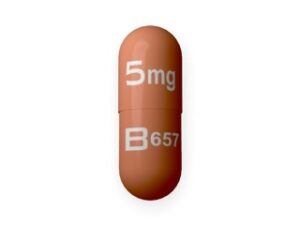

Provigil (Modafinil) – Patient Guide (Australia)
Provigil is a brand of modafinil, a medicine used to improve wakefulness in certain conditions. This guide explains how it works, how to take it, and important safety considerations—written for patients and carers in Australia.
Note: Medicine information online should be used to understand your options and ask good questions. For personal advice about suitability, dosing, monitoring, and interactions, talk with a qualified healthcare professional.
Quick Facts
| Topic | Summary |
|---|---|
| Active ingredient | Modafinil |
| Common brand | Provigil |
| What it does | Promotes wakefulness and reduces excessive sleepiness |
| Typical form | Oral tablets (strengths may vary) |
| How fast it works | Often within 1–2 hours (varies) |
| When to take | Usually in the morning or early in the day to reduce insomnia |
| Key metabolism | Primarily in the liver (CYP pathways), then excreted |
Basic Product Information
Provigil (modafinil) is a wakefulness-promoting agent. People most commonly use it for conditions where excessive daytime sleepiness occurs despite adequate sleep time.
In Australia, modafinil medicines are regulated. Availability and prescribing requirements can differ depending on the specific product, your diagnosis, and current regulatory status.
How Provigil Works (Mechanism of Action)
Modafinil helps you stay awake. Its exact mechanism is not fully understood, but it is known to influence several brain systems involved in alertness and arousal.
- Wakefulness pathways: It affects neurotransmitter signalling that supports daytime alertness.
- Reduced sleepiness: By promoting wakeful activity, it can lessen excessive daytime sleepiness.
- Not a sedative: Unlike medicines that cause drowsiness, modafinil is intended to reduce sleep pressure and improve alertness.
Importantly, modafinil may improve wakefulness but does not necessarily “cure” the underlying sleep disorder. Many people still benefit from treating the underlying cause (for example, using CPAP for obstructive sleep apnoea).
Pharmacokinetics: What the Body Does With Modafinil
Pharmacokinetics describes how the body absorbs, distributes, metabolises, and eliminates a medicine.
- Absorption: Modafinil is absorbed after oral dosing; time to peak concentration is commonly around 2–4 hours (varies by person).
- Onset: Some alertness benefits may be felt within 1–2 hours.
- Distribution: It distributes into body tissues, including the brain.
- Metabolism: Mainly metabolised in the liver by enzyme systems, including CYP pathways.
- Elimination: Metabolites are removed primarily via the kidneys.
- Half-life: The elimination half-life is commonly around 10–15 hours. This is why late-day dosing can affect sleep.
Because modafinil can remain active for many hours, planning your dosing time is essential—particularly if you are sensitive to insomnia.
Typical Use in Australia
Modafinil is used for specific medical conditions that involve excessive daytime sleepiness. It is not intended as a general “energy” supplement.
Common indications include:
- Obstructive sleep apnoea (OSA) in adults with persistent sleepiness despite treatment (for example, CPAP)
- Narcolepsy (with or without cataplexy)
- Central disorders of hypersomnolence (where appropriate)
Because sleep disorders vary, the best approach usually involves diagnosis and disease-specific management, with modafinil as part of a broader plan.
When to Take Provigil (Timing Guidance)
Timing is one of the most important practical steps for safe, effective use.
- Take early in the day: Most people take modafinil in the morning or early afternoon.
- Avoid late dosing: Due to a long half-life, taking it later can make it difficult to fall asleep and may worsen insomnia.
- Consistency helps: Taking it at similar times daily supports predictable effects.
- Be cautious with shift work: If you work nights, you may need a schedule aligned with your sleep period—discuss a plan with your clinician.
Practical note: If you notice sleep disruption or jitteriness, it often helps to move the dose earlier (and review dose and caffeine intake with your healthcare professional).
Food Interactions (Taking With or Without Meals)
Modafinil can generally be taken with or without food. However, individual tolerability varies.
- With food: Taking with food may reduce stomach discomfort for some people.
- Without food: Some may prefer taking it on an empty stomach; others experience nausea or a “too strong” early effect.
- High-fat meals: In some individuals, absorption may be slightly affected by meals. The overall clinical effect usually remains manageable.
If you experience nausea, heartburn, or a “washed out” effect, consider taking it with a light meal and maintaining hydration.
Alcohol and Provigil Interactions
Alcohol can impair judgement, coordination, and sleep quality. Combining alcohol with modafinil may mask subjective sleepiness while still leaving impaired performance—creating a safety risk (e.g., while driving or operating machinery).
- Safety first: If you drink alcohol, use caution and avoid driving or hazardous tasks.
- Sleep quality: Alcohol may worsen sleep architecture and increase daytime sleepiness later.
- Side effects: Alcohol may increase the chance of dizziness, nausea, or headache.
If you have a sleep disorder diagnosis, reducing alcohol—especially near your sleep time—may improve symptoms overall.
Medicine Interactions: What to Watch For
Modafinil can interact with other medicines through liver enzyme pathways and transporter effects. This may change how other drugs work (or how strongly they act).
Common interaction categories
- Hormonal contraception: Some enzyme-inducing medicines can reduce effectiveness of certain hormonal contraceptives. Discuss contraceptive reliability with a clinician, especially when starting or stopping modafinil.
- Antiepileptics (anti-seizure medicines): Possible interaction leading to changes in drug levels and seizure control—requires careful monitoring.
- Antidepressants and antipsychotics: Interactions can alter effectiveness or increase side effects in some cases.
- Warfarin and other anticoagulants: Potential for changes in bleeding risk; may require additional INR monitoring.
- Some antivirals and antibiotics: Enzyme pathways can affect levels of certain medications.
- Stimulants and caffeine: Together may increase jitteriness, anxiety, palpitations, or insomnia.
What you can do
- Keep an up-to-date medication list (including supplements and herbal products).
- Tell your clinician or pharmacist about all medicines you take before starting modafinil.
- Do not start or stop other medicines on your own.
Indications: Who Provigil Is For
Provigil is indicated for specific diagnoses associated with excessive daytime sleepiness.
In Australia, the conditions commonly covered for modafinil include:
- Obstructive sleep apnoea (OSA): persistent excessive sleepiness despite appropriate treatment such as CPAP
- Narcolepsy
- Other central hypersomnolence disorders as assessed by a specialist
Your diagnosis and severity determine whether modafinil is appropriate and what dose is most suitable.
Dosing: Typical Adult Use (General Guidance)
Dosing should be determined by a healthcare professional based on your condition, response, other medicines, and tolerability.
Common adult dosing regimens (for guidance only) include:
- OSA / Narcolepsy: often taken as a single daily dose, commonly in the morning.
- Titration: some patients begin at a lower dose to improve tolerability and adjust as needed.
- Maximum dose: depends on local product guidance and clinical assessment.
Important: Do not exceed the recommended dose. If you miss a dose, do not double up—take your next dose at the usual time unless your clinician advises otherwise.
Safety Profile: Side Effects and Warnings
Like all medicines, modafinil can cause side effects. Many are mild and improve with time, but some require urgent medical attention.
Common side effects
- Headache
- Nausea or stomach discomfort
- Dizziness
- Dry mouth
- Insomnia or disturbed sleep (often due to late-day dosing)
- Anxiety or nervousness
- Reduced appetite
Less common but serious risks
- Allergic reactions (e.g., rash, swelling, breathing difficulty)
- Severe skin reactions (rare but potentially life-threatening). Seek urgent care if you develop blistering rash, sores in the mouth, or widespread rash with fever.
- Psychiatric symptoms: mood changes, severe agitation, hallucinations, or suicidal thoughts require urgent assessment.
- Cardiovascular effects: palpitations or chest pain should be medically assessed.
- Blood pressure/heart rate changes: in some people.
- Liver concerns: rare; seek care if you develop yellowing of skin/eyes, dark urine, or persistent right upper abdominal pain.
Who needs extra caution
- History of skin reactions to modafinil/related agents
- Significant heart disease or uncontrolled hypertension
- Major psychiatric history (e.g., bipolar disorder, severe anxiety)
- People taking multiple interacting medicines
- Pregnancy or breastfeeding: discuss risks and benefits with your clinician
Practical Use Tips for Better Outcomes
- Prioritise sleep health: Treat the sleep disorder properly (e.g., CPAP for OSA) and keep consistent sleep schedules.
- Use light and movement: Morning light exposure and short walks can enhance daytime alertness.
- Manage caffeine: Avoid stacking with high caffeine doses if you feel jittery or anxious.
- Plan for driving: If you are still overly sleepy or recovering from poor sleep, avoid driving until you are confident in your alertness.
- Track effects: Keep notes on timing, side effects, and sleep quality—helpful for dose adjustments.
- Watch for insomnia: If sleep worsens, adjust timing and discuss dose review.
Seek urgent medical help if you suspect a severe allergic reaction, a severe skin reaction, chest pain, fainting, or sudden psychiatric changes.
Alternative Options
Depending on your diagnosis, other strategies may include:
- Sleep disorder–specific treatments
- OSA: CPAP, dental appliances, weight management, positional therapy
- Narcolepsy: lifestyle strategies and targeted therapy
- Other wakefulness-promoting medicines (availability and suitability vary)
- Other modafinil formulations or related agents
- Clinically assessed alternatives for specific sleep disorders
- Non-pharmacological strategies
- Scheduled naps (where appropriate)
- Sleep hygiene and consistent bedtimes
- Circadian rhythm support for shift work
Your best alternative depends on the underlying cause of sleepiness and your response to treatment.
Provigil and Legal/Market Context in Australia
Medicines containing modafinil in Australia are subject to regulatory oversight. Availability can depend on the form of the product, approvals, and the current schedule status.
In general, Australian supply is managed through established pharmacy and distribution channels, and treatment use typically follows clinical assessment for the relevant sleep condition.
For the most accurate status for your situation, consult your pharmacist or look for product information linked to the specific modafinil brand and strength available in Australia.
Recent Guidance and Ongoing Safety Considerations
Guidance for modafinil use evolves as new safety information becomes available. Key ongoing themes in clinical practice include:
- Appropriate indication: modafinil is most effective when used for recognised sleep disorders with documented excessive sleepiness.
- Monitoring tolerability: insomnia, anxiety, headaches, and cardiovascular symptoms should be assessed.
- Drug–drug interactions: because enzyme pathways can be involved, clinicians often review full medication lists at start and during follow-up.
- Psychiatric and skin risk awareness: patients are advised to report severe rashes or mental health changes promptly.
If you have questions about current local recommendations, a pharmacist can help interpret product information and how it applies to you.
Delivery and Availability (Online Pharmacy)
When ordering online in Australia, availability can vary by strength and packaging. Common delivery considerations include:
- Dispatch time: depends on stock levels and verification processes.
- Delivery timeframe: typically varies by location (metro vs regional) and courier service.
- Tracking: many orders include tracking updates.
- Cold chain: modafinil tablets typically do not require refrigeration.
Tip: If you are starting treatment, order early enough to avoid running out, especially if your schedule requires consistent daily dosing timing.
FAQ: Provigil (Modafinil) for Australian Patients
1) What is Provigil used for?
Provigil (modafinil) is used to treat excessive daytime sleepiness associated with conditions such as obstructive sleep apnoea (often in addition to CPAP), narcolepsy, and certain other central hypersomnolence disorders as clinically assessed.
2) How quickly does it work?
Many people notice improved wakefulness within 1–2 hours. The peak effect may occur later, as concentration in the body typically peaks within 2–4 hours.
3) Should I take it with food?
Usually it can be taken with or without food. If you get nausea or stomach discomfort, taking it with a light meal may help.
4) What time of day should I take it?
Take it early in the day (often in the morning). Avoid late-day dosing because the medicine can still affect sleep due to its long half-life.
5) Can I drink alcohol while taking Provigil?
Alcohol can worsen sleep quality and impair safety. Combining alcohol with modafinil may mask tiredness while impairing judgement and coordination. If you choose to drink, be very cautious—avoid driving or hazardous activities.
6) What medicines might interact with modafinil?
Modafinil can interact with several medicine types, including some hormonal contraceptives, antiepileptics, certain anticoagulants, antidepressants, and other drugs that rely on liver metabolism. Always provide your pharmacist with a full list of medicines and supplements.
7) Are side effects common?
Some side effects are relatively common, such as headache, nausea, and insomnia. Serious reactions are rare but important—seek urgent medical attention for severe rash, breathing difficulty, chest pain, fainting, or major mood/mental changes.
8) Is Provigil addictive?
Modafinil is not generally described as producing the same pattern of dependence as typical stimulants, but individual responses can vary. If you feel you need it more than planned or are concerned about reliance, speak with a clinician promptly.
9) What should I do if I miss a dose?
Generally, take it at your usual time next day. Avoid doubling doses. If you are unsure, ask a pharmacist for advice based on your dosing schedule.
10) What are the best tips to reduce insomnia?
Take it in the morning, limit late caffeine, avoid heavy meals right before bed, and maintain consistent sleep times. If insomnia persists, discuss dose timing or review with your healthcare professional.
11) Are there alternatives?
Alternatives may include non-pharmacological strategies and other treatments targeting the underlying sleep disorder. Depending on diagnosis, other wakefulness-promoting therapies may be considered by a clinician.
When to Seek Medical Advice Urgently
Contact urgent medical services or seek emergency care if you experience:
- Severe allergic reaction (swelling of face/lips, trouble breathing)
- Severe skin reactions (blistering rash, sores in the mouth, widespread rash with fever)
- Chest pain, fainting, or severe palpitations
- Severe mood or mental health changes (agitation, hallucinations, suicidal thoughts)
- Signs of liver problems (yellowing skin/eyes, dark urine, severe persistent abdominal pain)
Summary
Provigil (modafinil) is a wakefulness-promoting medicine used to reduce excessive daytime sleepiness in specific sleep disorders. It works by influencing brain systems involved in alertness. Because it can affect sleep for many hours, dosing time—typically early in the day—is crucial. As with many medicines, interactions with other drugs and effects on mood, skin, and cardiovascular health must be taken seriously.
If you have questions about whether modafinil is suitable, how it may interact with your other medicines, or what timing is best for your schedule, talk to a pharmacist or qualified healthcare professional.