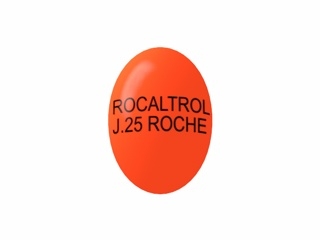


Rocaltrol (Calcitriol) — Patient Information for Australia
Rocaltrol contains calcitriol, the active form of vitamin D. It helps your body absorb calcium and phosphorus and supports normal bone growth and muscle function. Calcitriol is used for specific medical conditions where the body cannot make enough active vitamin D, or where calcium/phosphate balance needs targeted treatment.
This guide is designed to be patient-friendly and Australia-focused, covering how Rocaltrol works, when it’s taken, important interactions, safety considerations, and practical tips to help you get the most from your medicine.
Key Product Information
| Item | Details |
|---|---|
| Medicine name | Rocaltrol |
| Active ingredient | Calcitriol |
| Medicine type | Vitamin D analogue (active vitamin D) |
| Common forms | Oral capsules or tablets (strength varies by product presentation) |
| Why it’s used | To treat or prevent conditions involving low active vitamin D, low calcium, and related bone and mineral disorders |
| Monitoring | Regular blood tests for calcium, phosphate, kidney function (as advised) |
How Rocaltrol Works (Mechanism of Action)
Calcitriol works by acting on vitamin D receptors in the gut, kidneys, and bones. Its main effects include:
- Increasing calcium absorption from the small intestine.
- Improving phosphate handling to support healthy bone mineralisation.
- Modulating hormone signals that regulate calcium and bone turnover.
- Supporting bone strength by helping maintain normal mineral levels.
Because calcitriol is already the active form, it does not rely on the kidney and liver to convert vitamin D into its active form. This is particularly important in conditions such as certain forms of chronic kidney disease.
Pharmacokinetics (What the Body Does to the Medicine)
Understanding pharmacokinetics can help explain why monitoring is important and why dose changes may take time to reflect in blood results.
Absorption
Calcitriol is absorbed after oral administration. Absorption can vary from person to person.
Distribution
Calcitriol is widely distributed throughout the body and binds to specific proteins in the blood.
Metabolism
Like other vitamin D forms, calcitriol is metabolised into inactive and active derivatives.
Elimination
Calcitriol and its metabolites are eliminated mainly through bile and the faeces, with a smaller component excreted through the kidneys.
Why this matters: Because vitamin D analogues can build up and raise calcium levels, clinicians typically monitor blood calcium and kidney function to ensure the dose is both effective and safe.
Typical Uses in Australia
Rocaltrol is used for selected conditions affecting calcium and phosphate balance. Common indications include:
Indications
- Hypocalcaemia due to reduced active vitamin D production (for example, in certain cases of chronic kidney disease).
- Hypoparathyroidism (including post-surgical or other causes) where calcium levels are low and require vitamin D support.
- Pseudohypoparathyroidism and related disorders where vitamin D signalling is impaired (as advised by the treating clinician).
- Renal osteodystrophy or bone mineral disorders linked to abnormal vitamin D metabolism (depending on individual assessment).
Note: Use can vary depending on age, diagnosis, calcium/phosphate results, and local treatment protocols. Your doctor or specialist will set the appropriate regimen.
Timing and How to Take Rocaltrol
Rocaltrol is typically taken once daily or as directed. Consistency helps maintain stable blood levels and makes monitoring easier.
Best time of day
- Choose a time that you can reliably remember.
- Many people take it in the morning or with a regular daily meal to support routine (not because food is required, but to help adherence).
With or without food
Calcitriol can usually be taken with or without food. However, follow your medication label instructions or your clinician’s advice. If you experience stomach upset, taking it with food may be more comfortable.
If you miss a dose
- Take the missed dose as soon as you remember on the same day.
- If it is close to the next dose, skip the missed dose.
- Do not double to make up for the missed dose.
Food Interactions and Dietary Considerations
Food interactions with calcitriol are generally limited, but dietary choices can influence calcium levels.
Calcium-containing foods and supplements
- If you take calcium supplements, your overall calcium intake (diet + supplements) may contribute to high calcium risk.
- Your clinician may recommend a specific calcium intake or schedule based on your blood test results.
Vitamin D and “extra” supplements
- Because calcitriol is already active vitamin D, avoid adding extra high-dose vitamin D supplements unless your healthcare team advises it.
- Multivitamins vary in strength—check labels for vitamin D content.
Grapefruit and similar foods
There is no widely established, clinically significant grapefruit interaction for calcitriol in routine use, but it’s still wise to discuss major dietary changes or supplements with your doctor or pharmacist—especially if you have kidney disease.
Alcohol and Medicine Interactions
There is no single, universal “alcohol + calcitriol” interaction that applies to everyone; however, alcohol can indirectly affect safety by influencing hydration, diet, and overall kidney and liver function.
- Moderate alcohol: If you drink alcohol, keep it moderate and follow general health advice.
- Dehydration risk: Alcohol can contribute to dehydration in some people; dehydration can worsen issues related to high calcium or kidney impairment.
- Other medicines: If you also take multiple medicines (for example, calcium supplements, phosphate binders, diuretics), alcohol may worsen side effects or complicate monitoring.
Important: If you have kidney disease, heart rhythm problems, or a history of kidney stones, discuss alcohol use with your healthcare provider.
Medicines That May Interact (Important Medication Interactions)
Calcitriol can interact with medicines that affect calcium, phosphate, or kidney function. Always tell your pharmacist or clinician about all medicines and supplements you use.
Common interaction themes
- Calcium and phosphate agents: Combining calcitriol with calcium supplements may increase risk of hypercalcaemia.
- Thiazide diuretics: These can raise calcium levels; combined use may increase hypercalcaemia risk.
- Digitalis (digoxin): Elevated calcium can increase the risk of digitalis-related heart rhythm problems.
- Magnesium-containing medicines: Magnesium imbalance can occur in people with kidney impairment; this may affect safety and monitoring.
- Magnesium or phosphate binders: May change mineral balance and influence the need for dose adjustments.
Interaction severity depends heavily on your diagnosis, kidney function, and baseline calcium/phosphate levels.
Dosing (General Information)
Dosing of Rocaltrol is individualised. The right dose depends on your blood calcium levels, diagnosis, age, and kidney function. Do not use another person’s dose and do not change your dose without clinical advice.
General principles
- Clinicians often start with a dose that aims to normalise calcium levels and then adjust based on regular blood tests.
- Dose adjustments may occur every few weeks, depending on how quickly your blood results respond.
- Your doctor may also adjust or review calcium supplement use alongside calcitriol.
Typical dosing frequency
In many treatment plans, Rocaltrol is taken once daily. Some patients may require different schedules depending on their response and lab results.
Monitoring schedule
Monitoring varies, but it commonly includes:
- Blood calcium (and sometimes phosphate and magnesium)
- Renal function (especially in chronic kidney disease)
- Assessment of symptoms of high or low calcium
Do not take extra doses if you feel unwell—contact your clinician for advice, particularly if you might be experiencing high calcium.
Safety Profile and Side Effects
Like all medicines, calcitriol can cause side effects. The most important risk is hypercalcaemia (high calcium levels), which can be serious if not recognised early.
Commonly reported or monitored effects
- High calcium symptoms: nausea, vomiting, constipation, increased thirst, frequent urination, weakness, confusion, or unusual tiredness.
- Kidney-related concerns: worsening kidney function or increased risk of kidney stones in susceptible individuals.
- Headache or dizziness: may occur in some people.
Signs of high calcium (hypercalcaemia)
Seek urgent medical advice if you develop significant symptoms such as:
- Severe constipation or persistent vomiting
- Marked drowsiness, confusion, or severe weakness
- Severe dehydration or reduced urine output
- Severe abdominal pain
Signs of low calcium (hypocalcaemia)
Less commonly, improper dosing or missed doses can contribute to low calcium symptoms such as:
- Tingling around the mouth or in the fingers/toes
- Muscle cramps or spasms
- Severe muscle twitching
Long-term safety considerations
- Long-term use requires periodic laboratory monitoring.
- Higher doses or combined mineral supplementation increase risk of hypercalcaemia.
- People with kidney impairment need extra caution.
Practical Use Tips (Getting the Best Results)
- Keep up with blood tests: Regular calcium checks are central to safe dosing.
- Maintain consistent intake: Take your dose at the same time each day and follow your plan for calcium supplements.
- Read labels on supplements: Many over-the-counter products contain vitamin D or calcium—avoid duplication unless approved.
- Stay hydrated: Especially if you’re at risk of kidney stones or have had dehydration episodes.
- Track symptoms: If you notice symptoms of high or low calcium, contact your healthcare team promptly.
- Inform all clinicians: Let dentists and other healthcare professionals know you are taking calcitriol, particularly if procedures involve changes in kidney function or medication regimens.
Alternative Options (Other Treatments You May Discuss)
Depending on your underlying condition, alternatives may include:
- Vitamin D precursors (e.g., cholecalciferol/ergocalciferol) — sometimes used when the body can activate vitamin D normally.
- Calcium supplementation — used either alone or with vitamin D analogues, based on blood results.
- Other vitamin D analogues — your clinician may consider alternatives depending on the diagnosis and tolerance.
- Condition-specific therapies — for example, treatments targeting parathyroid hormone deficiency or kidney mineral disorders.
Important: Alternatives should be chosen by your healthcare team. Switching between forms of vitamin D is not simply “equivalent” and requires lab-guided adjustment.
Market and Legal Context for Australia
In Australia, medicines are regulated by the Therapeutic Goods Administration (TGA). Availability and prescribing arrangements depend on the product’s registration status and scheduling requirements. Rocaltrol is a regulated medicine used under clinician guidance, and pharmacies must follow Australian dispensing and supply requirements.
Pharmacy supply: Online pharmacy services in Australia typically supply medicines in line with relevant regulations, including identification and appropriate medication verification processes.
Australian monitoring culture: Because calcitriol can affect calcium levels, Australian clinical practice commonly emphasises regular blood testing and patient education about symptoms of abnormal calcium.
Recent Guidance and Clinical Practice Notes
Ongoing guidance in Australia and internationally emphasises:
- Individualised dosing based on calcium and kidney function.
- Risk minimisation for hypercalcaemia and hyperphosphataemia where relevant.
- Medication reconciliation to identify interactions (for example with thiazide diuretics, calcium supplements, or cardiac glycosides).
- Clear patient education on symptoms and the importance of follow-up blood tests.
Because recommendations may evolve, your prescriber’s most current plan and local protocol should always be followed.
Delivery and Availability (Australia)
Online pharmacies in Australia may offer home delivery of Rocaltrol, subject to eligibility and stock availability. Delivery times depend on your location, courier services, and whether the product is held in local stock.
- Stock availability: Availability can vary by pharmacy and by strength/formulation.
- Packaging: Medicines are typically supplied in manufacturer-approved packaging with patient information included.
- Discreet delivery: Many pharmacies provide discreet packaging options.
- Cold chain: Generally, calcitriol oral preparations do not require cold-chain delivery, but follow the product label instructions.
If you have concerns about delivery timeframes or stock, contact the pharmacy’s customer service team.
FAQ — Frequently Asked Questions
1) What is Rocaltrol used for?
Rocaltrol (calcitriol) is used to treat conditions where active vitamin D is low or where calcium/phosphate levels need correction, such as certain cases of hypocalcaemia, hypoparathyroidism, and other bone and mineral disorders as determined by your clinician.
2) How quickly does Rocaltrol work?
Many people see changes in calcium levels within days to weeks, but the exact timeline varies. Your doctor will schedule blood tests to confirm the response and guide dose adjustments.
3) Can I take Rocaltrol with calcium supplements?
Sometimes yes—often calcium supplements are part of the overall regimen. However, the combination can raise calcium levels too much. Only take calcium supplements as advised and ensure your healthcare team knows about all supplements you use.
4) What happens if I take too much?
Taking too much can cause hypercalcaemia. Symptoms may include nausea, constipation, increased thirst, frequent urination, weakness, confusion, and in severe cases serious complications. If you suspect an overdose, contact urgent medical services or your local poison information centre for immediate advice.
5) What should I do if I feel symptoms of high calcium?
Stop further extra dosing and contact your healthcare team promptly for advice. If symptoms are severe (such as confusion, persistent vomiting, or severe weakness), seek urgent medical care.
6) Is it safe to drink alcohol while taking Rocaltrol?
Moderate alcohol may be acceptable for some people, but alcohol can worsen dehydration or complicate health conditions—especially kidney-related problems. If you have kidney disease or a history of kidney stones, ask your clinician for personalised advice.
7) Does food affect Rocaltrol?
Calcitriol can generally be taken with or without food. Dietary calcium and vitamin D intake can influence results, so follow any guidance given for supplements and overall calcium intake.
8) Can children take Rocaltrol?
Rocaltrol may be used in children for specific medical indications. Dosing must be carefully individualised and closely monitored with regular blood tests.
9) What monitoring will I need?
Typical monitoring includes blood tests for calcium and kidney function. Your clinician may also monitor phosphate and magnesium depending on your condition and treatment plan.
10) Are there alternatives to Rocaltrol?
Alternatives may include other forms of vitamin D, calcium supplementation strategies, or different vitamin D analogues, depending on the cause of your condition and your lab results. Discuss options with your healthcare professional before changing therapy.
Summary
Rocaltrol (calcitriol) is active vitamin D used to manage specific disorders involving calcium and bone/mineral balance. It improves calcium absorption and supports healthy bone and muscle function. Because it can raise blood calcium levels, safe use depends on correct dosing, avoiding duplication of vitamin D or calcium supplements, and keeping up with recommended blood tests. If you experience symptoms of high or low calcium, contact your healthcare team promptly.