
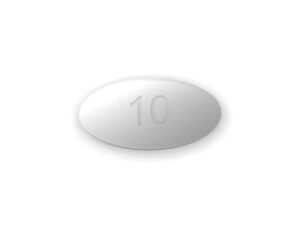
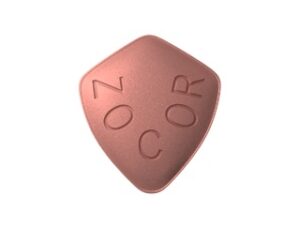
Simvastatin (Simvastatin) – Patient-Friendly Information (Australia)
Simvastatin is a medicine used to help lower cholesterol and reduce the risk of certain cardiovascular events. It belongs to a group of medicines called statins. This guide explains how simvastatin works, how it’s used, what to consider with food and other medicines, and key safety points for people in Australia.
Please note: This page is general information. Individual needs vary, so always follow the directions provided by your healthcare professional and the medicine label.
1. Basic product information
| Category | Information |
|---|---|
| Medicine name | Simvastatin |
| Therapeutic class | Statin (HMG-CoA reductase inhibitor) |
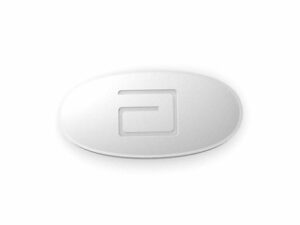
| Common forms | Oral tablets (strengths vary by brand) |
| Typical dosing frequency | Usually once daily |
| Main goal | Lower LDL (“bad”) cholesterol; help reduce cardiovascular risk |
| Brand examples | Different brands may exist in Australia depending on availability |
2. How simvastatin works (mechanism of action)
Simvastatin reduces cholesterol production in the liver. It blocks an enzyme called HMG-CoA reductase, which plays a key role in making cholesterol.
As a result, the liver:
- Increases the number of LDL receptors on liver cells
- Pulls more LDL cholesterol from the bloodstream
- Improves overall cholesterol profile (often reducing LDL and triglycerides, and modestly raising HDL)
Over time, lowering cholesterol can help reduce the build-up of fatty deposits in arteries, lowering the risk of events such as heart attack and stroke in appropriate people.
3. Pharmacokinetics (how the body handles simvastatin)
“Pharmacokinetics” describes how the medicine is absorbed, processed, and eliminated. Key points include:
- Absorption: Simvastatin is absorbed from the gut but undergoes significant “first-pass” metabolism by the liver.
- Prodrug activity: Simvastatin is converted in the body to its active form.
- Distribution: It mainly acts in the liver, where cholesterol synthesis occurs.
- Metabolism: Primarily through CYP3A4 enzymes (important for drug interactions).
- Elimination: Metabolites are eliminated mainly via bile into the stool.
Because simvastatin is handled by pathways that can be affected by other medicines, interactions can increase the risk of muscle-related side effects.
4. Typical uses in everyday care
Simvastatin is commonly used for:
- High cholesterol (dyslipidaemia): To lower LDL cholesterol and reduce other lipid abnormalities.
- Cardiovascular risk reduction: For people at increased risk of heart disease and stroke, depending on overall health and risk factors.
- Secondary prevention: When cholesterol-lowering helps prevent future cardiovascular events after established disease in some cases.
Whether simvastatin is appropriate depends on your lipid results, medical history, age, other risk factors (such as diabetes, smoking, blood pressure), and overall treatment plan (including diet, exercise, and sometimes other medicines).
5. When to take simvastatin (timing)
Many statins are most effective when timed to when cholesterol is naturally produced. For simvastatin, cholesterol synthesis tends to be higher during the night, so taking it in the evening has traditionally been recommended.
- Typical instruction: Take simvastatin once daily, often in the evening.
- Consistency matters: Try to take it at the same time each day.
- If you miss a dose: Take it when you remember unless it’s close to your next dose. Do not take a double dose.
Always follow your label instructions, as specific directions can vary by formulation and personal treatment plan.
6. Food interactions
Food effects with simvastatin are generally less complex than with some other medicines, but there are still practical points:
- General: Simvastatin can typically be taken with or without food.
- Grapefruit and grapefruit juice: Avoid or limit, because grapefruit can raise simvastatin levels and increase side effect risk (including muscle injury).
If your diet includes grapefruit products, discuss this with your pharmacist or doctor.
7. Alcohol and medicine interactions
Alcohol
Moderate alcohol intake may be acceptable for some people, but alcohol can affect liver health. Since statins are processed through the liver, it’s important to be cautious if you:
- Have a history of liver disease
- Drink alcohol heavily
- Have persistent abnormal liver blood test results
Consider asking your pharmacist or doctor what level of alcohol intake is appropriate for you.
Medicines that can interact with simvastatin
The most important interactions are those that increase simvastatin levels. Simvastatin is metabolised by CYP3A4, so medicines that inhibit this pathway can increase the risk of side effects—particularly muscle problems.
Common interaction themes to be aware of:
- Strong CYP3A4 inhibitors: These can significantly increase simvastatin exposure. Examples include some medicines used for fungal infections and certain antibiotics/antivirals.
- Other lipid-lowering medicines: Combining with some agents can raise muscle side effect risk.
- Some immune or organ-transplant medicines: May increase simvastatin levels.
- Grapefruit (food/drink): Can act like an inhibitor and may raise drug levels.
Because lists vary by country and over time, the safest approach is to:
- Tell your pharmacist about all medicines you take (including over-the-counter products and supplements)
- Check whether any medicine you’re starting is known to interact
- Not start or stop interacting medicines without advice
8. Indications (when simvastatin is used)
In Australia, statins including simvastatin are used under clinical guidance for cholesterol management and cardiovascular risk reduction. Indications may include:
- Primary hypercholesterolaemia: High LDL cholesterol in people without established cardiovascular disease.
- Mixed dyslipidaemia: Abnormalities in multiple lipid types (LDL and triglycerides).
- Prevention of cardiovascular events: In people who are at increased risk or have established cardiovascular disease, depending on clinical assessment.
- Familial or inherited lipid disorders: In specialist-managed cases, where appropriate.
The exact use depends on individual assessment, current clinical guidelines, and local prescribing practices.
9. Dosing and how to use simvastatin safely
Doses can differ by formulation and your clinical goal. Your clinician will determine the starting dose and whether it should be adjusted. Typical general guidance is below; always follow your own label.
Typical dosing principles
- Once daily: Many people take simvastatin once per day, often in the evening.
- Starting dose: Often a lower dose initially, then adjusted based on cholesterol response and tolerability.
- Dose adjustments: Usually made after checking lipid levels and assessing side effects.
- Maximum dose considerations: Certain interacting medicines can require dose limits or avoiding simvastatin altogether.
Table: practical dosing overview (general)
| Situation | General approach | What to do |
|---|---|---|
| Starting treatment | Lower starting dose may be used | Take at the same time daily; check cholesterol as planned |
| Cholesterol not at goal | Possible dose increase or addition of other therapy | Discuss options rather than changing dose yourself |
| Starting an interacting medicine | May require avoidance, dose limits, or switching | Tell your pharmacist before starting new medicines |
| Side effects (muscle pain, weakness) | May require review and temporary interruption in some cases | Contact a clinician promptly if symptoms occur |
| Routine monitoring | Periodic lipid tests; sometimes liver blood tests | Attend blood tests as advised |
If you have kidney impairment, liver disease, or take interacting medicines, your clinician may choose a different statin or adjust the regimen.
10. Safety profile and important side effects
Like all medicines, simvastatin can cause side effects. Many people tolerate it well, but it’s important to know what to watch for.
Common or mild effects
- Headache
- Nausea or stomach discomfort
- Muscle aches can occur (often mild, but severity should be monitored)
Serious side effects (seek medical advice promptly)
- Muscle injury (myopathy / rhabdomyolysis): Contact a clinician urgently if you experience unexplained muscle pain, tenderness, weakness, or dark/tea-coloured urine.
- Liver problems: Seek advice if you have persistent fatigue, loss of appetite, yellowing of eyes/skin (jaundice), dark urine, or upper abdominal pain.
- Allergic reactions: Stop and seek urgent help if you develop swelling of the face/lips, trouble breathing, or widespread rash.
Who may be at higher risk of muscle problems?
- Older age
- Uncontrolled thyroid problems
- Kidney impairment
- High doses of statins
- Drug interactions that raise simvastatin levels
Monitoring
- Lipid tests: To see how well your cholesterol is responding.
- Liver blood tests: Sometimes done before starting and/or during therapy depending on risk factors and clinical practice.
- Symptom monitoring: Report muscle symptoms early rather than waiting.
11. Practical use tips (getting the best results)
- Take it consistently: Cholesterol lowering depends on regular use.
- Combine with lifestyle changes: Medication works best alongside a heart-healthy diet, regular physical activity, and not smoking.
- Keep a medication list: Include prescriptions, over-the-counter products, and supplements; show it to every clinician.
- Be careful with “natural” products: Some supplements may interact with statin metabolism. Ask your pharmacist.
- Don’t double up: If you miss a dose, follow the missed-dose guidance rather than taking extra.
- Watch for unusual symptoms: Report muscle pain/weakness promptly, especially soon after starting or increasing the dose.
If you have questions about whether to take simvastatin at a particular time (for example, shift work or travel), ask your pharmacist for advice on adjusting your routine.
12. Alternative options
If simvastatin isn’t suitable due to side effects, interactions, or treatment goals, there are other options commonly considered by clinicians. The choice depends on your cholesterol profile, cardiovascular risk, and medical history.
Alternative statins
- Atorvastatin
- Rosuvastatin
- Pravastatin
Different statins vary in metabolism and interaction risk. For example, some have less reliance on CYP3A4, which may be helpful for certain people taking interacting medicines.
Non-statin cholesterol-lowering treatments
- Ezetimibe (reduces cholesterol absorption)
- Bile acid sequestrants (bind bile acids)
- PCSK9 inhibitors (in specialist settings, for high-risk patients)
- Other options may be considered based on availability and clinical criteria
Your clinician will weigh benefits, risks, cost, and monitoring needs when choosing alternatives.
13. Simvastatin in the Australian market: legal and guidance context
In Australia, medicines are regulated by the Therapeutic Goods Administration (TGA). Advice and prescribing practices are informed by national clinical guidance for lipid management and cardiovascular prevention.
Statins are widely used for cardiovascular risk reduction, and ongoing safety monitoring informs current recommendations. Healthcare professionals use local guidelines and consider individual factors such as drug interactions and risk of adverse effects.
Recent guidance and safety focus (high-level)
- Drug interaction risk: Ongoing emphasis on recognising CYP3A4 interactions and avoiding high-risk combinations.
- Muscle symptom awareness: Encouraging early reporting of muscle pain/weakness rather than waiting.
- Individualised treatment: Choosing the most suitable statin and dose based on effectiveness and tolerability.
- Monitoring: Periodic review of lipid response and safety, tailored to patient risk factors.
Recommendations can evolve. Always check the latest advice provided by your clinician or pharmacist.
14. Delivery and availability (Australia)
Availability of specific simvastatin brands and tablet strengths may vary. Many Australian pharmacies and dispensing services can help with supply, subject to stock and supplier timelines.
- Stock status: Product availability can change. If your preferred strength is temporarily unavailable, a pharmacist may suggest an alternative equivalent product or strength if clinically appropriate.
- Delivery: Delivery times depend on your location and the dispatch schedule. Rural/remote areas may take longer.
- Packaging: Medicines are supplied in appropriate packaging for safe handling and storage.
If you have urgency (for example, running out), contact customer support as early as possible to discuss options.
15. Storage and practical handling
- Store at room temperature: Follow the instructions on the medicine packaging.
- Protect from moisture and heat: Keep tablets in the original container.
- Keep out of reach of children: Store safely.
- Check expiry date: Do not use after the expiry date on the pack.
16. FAQ – Simvastatin
How long does it take to work?
Cholesterol lowering can begin within days, but meaningful changes are often assessed after several weeks. Your clinician will schedule lipid tests to check progress and guide dose adjustments.
Should I stop taking simvastatin if I feel fine?
If simvastatin is helping you stay within target cholesterol levels and reducing cardiovascular risk, it’s usually intended as ongoing treatment. Don’t stop without medical advice—stopping can allow cholesterol to rise again.
Can I drink grapefruit juice?
It’s generally recommended to avoid grapefruit and grapefruit juice, as it can increase simvastatin levels and raise the risk of side effects.
What should I do if I get muscle pain?
Report unexplained muscle pain, tenderness, weakness, or dark urine to a clinician promptly—especially if symptoms are severe or persistent. Seek urgent help if symptoms suggest a serious muscle injury.
Are there any warning signs that mean I should seek urgent care?
Seek urgent medical attention if you have:
- Dark/tea-coloured urine
- Severe muscle weakness or widespread muscle pain
- Yellowing of skin/eyes, severe fatigue, or signs of liver trouble
- Allergic symptoms such as swelling or difficulty breathing
Can I take simvastatin with other cholesterol medicines?
Sometimes combinations are used, but interaction risk can increase. The suitability depends on your specific medicines and dose. Always discuss combinations with a pharmacist or clinician.
Does simvastatin affect the liver?
Statins can occasionally affect liver enzymes. Many people have no issues, but liver-related symptoms should be taken seriously. Follow monitoring plans and seek advice if you notice signs of liver problems.
What if I forget a dose?
Take it when you remember unless it’s near the time of your next dose. Do not take a double dose.
Is simvastatin suitable for everyone?
Not necessarily. Suitability depends on your medical history, current medicines, liver and kidney status, risk factors, and how your cholesterol targets are defined. Your pharmacist and clinician can help confirm the safest option.
Key takeaways
- Simvastatin is a statin used to lower LDL cholesterol and support cardiovascular risk reduction.
- It works by decreasing cholesterol production in the liver and increasing LDL clearance from the blood.
- Take it once daily, often in the evening, and stay consistent.
- Avoid grapefruit; report any muscle symptoms promptly.
- Discuss all medicines and supplements with a pharmacist due to interaction risk.