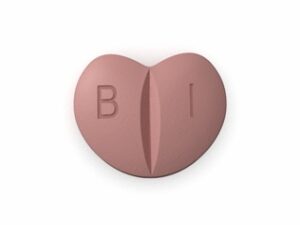
Zebeta (Bisoprolol) – Patient-Friendly Guide (Australia)
Zebeta contains bisoprolol, a medicine from the beta-blocker family used to treat several heart-related conditions. This guide explains what Zebeta does, how it works, how to take it safely, common interactions, and practical tips for everyday use in Australia.
Quick Facts
- Active ingredient: Bisoprolol
- Medicine type: Beta-blocker (selective beta-1 blocker)
- Common uses: High blood pressure, angina, and certain cases of chronic heart failure (as assessed by your clinician)
- How it works: Slows the heart rate, reduces blood pressure, and lowers the heart’s workload
- Common dosing forms: Tablets (strengths may vary)
- Key safety points: Don’t stop suddenly; watch for slow heart rate, dizziness, and breathing symptoms
What Zebeta Is
Zebeta is a brand of bisoprolol. Bisoprolol is a beta-1 selective adrenergic receptor blocker. In simple terms, it helps the heart beat more efficiently and with less strain by blocking certain adrenaline-like signals that would otherwise increase heart rate and force.
Zebeta is used for cardiovascular conditions and is typically taken long-term. Your individual plan depends on your diagnosis, other health conditions, and how you respond to treatment.
Mechanism of Action (How It Works)
Bisoprolol blocks beta-1 receptors primarily in the heart. This leads to:
- Lower heart rate by reducing the signals that speed the heartbeat
- Reduced force of contraction, which can help reduce strain on the heart
- Lower blood pressure by decreasing cardiac output (and via longer-term effects on blood vessel tone)
- Improved angina control by lowering the heart’s oxygen demand
- Support in chronic heart failure by improving the heart’s efficiency over time (in selected patients and under specific treatment regimens)
Because bisoprolol is relatively beta-1 selective, it generally affects the airways less than non-selective beta-blockers. However, it can still influence breathing in some people, especially at higher doses or with existing lung disease.
Pharmacokinetics (How the Body Handles Zebeta)
Pharmacokinetics describes what the body does to the medicine—absorption, distribution, metabolism, and elimination.
- Absorption: Bisoprolol is absorbed well after oral administration.
- Bioavailability: It is generally high, meaning a significant portion reaches the bloodstream.
- Onset: Effects on heart rate and blood pressure typically develop over hours after a dose.
- Peak concentration: Peak levels often occur within a few hours after taking the tablet.
- Distribution: Bisoprolol distributes throughout the body and acts mainly on beta-1 receptors.
- Metabolism and elimination: It is metabolised and cleared from the body via both hepatic metabolism and renal excretion (kidneys contribute).
- Duration: It has a duration that supports once-daily dosing for many indications.
Individual response varies. If you have kidney or liver impairment, your clinician may adjust dosing and monitor you more closely.
Typical Use (Indications)
Zebeta may be used to manage the following conditions, depending on patient suitability:
- High blood pressure (hypertension): Helps lower blood pressure and reduce cardiovascular risk.
- Angina (stable): Helps reduce episodes of chest pain by decreasing the heart’s oxygen demand.
- Chronic heart failure: In selected patients, as part of a broader treatment plan, to improve outcomes and symptoms.
Whether Zebeta is appropriate for you depends on your heart rate, blood pressure, overall heart function, and other medications.
How to Take Zebeta (Timing & Administration)
General timing
- Once daily is common: Many people take bisoprolol in the morning or evening, often at the same time each day.
- Consistency matters: Try to take it at roughly the same time to maintain stable effects.
With food or without?
Food usually has no major impact on bisoprolol absorption for most patients. You can generally take Zebeta with or without food.
If your stomach feels unsettled, taking the tablet with a meal may help.
Swallowing tips
- Take the tablet with water.
- If you miss a dose, follow the “missed dose” guidance below (do not take a double dose unless advised).
Dose (Typical Dosing Approach)
Dosage is individual. The dose is usually started low and adjusted based on blood pressure, heart rate, symptoms, and tolerability.
Note: Strength options may vary by product availability. Always use the tablet strength prescribed for you.
Common dosing principles
- Start low: Particularly important in heart failure or older adults.
- Titrate slowly: Adjustments are often made at intervals (for example, every 1–2 weeks) depending on response.
- Monitor clinically: Heart rate and blood pressure are key.
Typical ranges (for general information)
| Condition (general) | Typical starting approach | Typical daily dose range* |
|---|---|---|
| Hypertension | Low dose once daily | Often within the lower-to-moderate range once daily |
| Angina | Low dose once daily | Often gradually increased to symptom control |
| Chronic heart failure (selected patients) | Very low dose with slow titration | Increases based on tolerance and heart rate |
*Exact dosing must follow your personal treatment plan and local product instructions. Because strength and titration schedules can differ by diagnosis, kidney function, and other medicines, use the dosing advice given to you.
Missed Dose
- If you forget a dose: Take it when you remember on the same day.
- If it’s close to the next dose: Skip the missed dose and take the next dose at the usual time.
- Do not double up: Taking two doses at once can increase the risk of side effects.
Food Interactions
For most patients, food does not significantly change how bisoprolol works. You can take Zebeta with meals if it helps you remember or improves comfort.
However, some broader lifestyle points matter:
- Grapefruit: Grapefruit products can interact with some medicines, but bisoprolol is not typically highlighted for grapefruit interactions. If you use grapefruit regularly, it’s still wise to discuss with a pharmacist.
- High alcohol consumption and dehydration: Not a direct “food” issue, but can worsen dizziness, low blood pressure, and heart rate effects.
Alcohol and Medicine Interactions
Alcohol
Alcohol may increase dizziness, light-headedness, and fatigue in some people—especially when starting treatment or after dose increases. In those with low blood pressure, alcohol can also worsen symptoms.
Practical approach: Keep alcohol moderate, avoid binge drinking, and be cautious when standing up quickly. If you feel faint or unusually weak after alcohol, speak with a healthcare professional.
Common medicine interactions
Zebeta can interact with other medicines that affect the heart rate and blood pressure, or medicines that influence how bisoprolol is processed in the body.
- Other blood pressure medicines: May increase the risk of low blood pressure.
- Other heart rate–slowing medicines: Examples can include certain antiarrhythmics (used for rhythm problems). Combined effects may cause too slow a heart rate.
- Verapamil or diltiazem (certain “calcium channel blockers”): Can slow the heartbeat and affect conduction; combination may require careful monitoring.
- Digoxin: Using together may increase the likelihood of bradycardia or other conduction effects.
- Clonidine: Stopping clonidine abruptly can cause rebound blood pressure effects. If clonidine and beta-blockers are used, changes should be coordinated carefully.
- Diabetes medicines (insulin or tablets): Beta-blockers can sometimes mask warning signs of low blood sugar (like fast heartbeat). They may also affect blood sugar control.
- Respiratory medicines: If you use inhalers, particularly beta-agonists (e.g., for asthma/COPD), beta-blockers may reduce their effect in some cases.
- Anti-inflammatory medicines: Non-steroidal anti-inflammatory drugs (NSAIDs) can sometimes affect kidney function and may influence blood pressure control in some people.
Always tell your pharmacist or prescriber about all medicines you use, including over-the-counter products and supplements.
Safety Profile (Common Side Effects & When to Seek Help)
Common side effects
Many people tolerate bisoprolol well, but common side effects include:
- Fatigue or tiredness
- Dizziness, especially when standing up
- Slow heart rate (bradycardia)
- Cold hands and feet
- Reduced exercise tolerance
- Sleep disturbance or vivid dreams (less common)
Less common but important concerns
- Breathing difficulties or wheeze (more likely in people with asthma or chronic lung disease)
- Low blood pressure (light-headedness, fainting)
- New or worsening symptoms of heart failure (shortness of breath, swelling, unusual weight gain)
- Sexual function changes (reported with some beta-blockers)
Seek urgent medical help if
- You faint or nearly faint
- You have severe dizziness, confusion, or chest pain
- You experience severe breathlessness, wheezing, or an allergic reaction (swelling of face/lips, rash, trouble breathing)
- Your heartbeat becomes extremely slow with weakness
Do not stop suddenly
Stopping bisoprolol abruptly can lead to rebound effects, such as increased heart rate, higher blood pressure, and worsening angina or heart failure symptoms. If treatment needs to be stopped, it is generally done by gradual tapering under clinical guidance.
Practical Use Tips (Everyday Advice)
- Take it at the same time each day to maintain steady control.
- Check your pulse and blood pressure if you’ve been advised to do so. Report consistently low heart rate or symptoms to your pharmacist/clinician.
- Stand up slowly if you feel dizzy. This can reduce falls risk, particularly after dose changes.
- Be cautious with driving or machinery if you feel light-headed or unusually tired—especially when starting.
- Keep a list of medicines (including inhalers, diabetes tablets, and supplements) and review it when your regimen changes.
- Know your “warning signs” of low heart rate/low blood pressure: unusual weakness, faintness, or breathlessness.
Who Should Use Caution?
Zebeta may not be suitable for everyone, or may require extra caution and monitoring in certain situations. Discuss with a healthcare professional if you have:
- Asthma, COPD, or other lung disease (even if currently controlled)
- Heart block or certain conduction problems
- Very slow pulse at baseline
- Low blood pressure or episodes of fainting
- Diabetes (especially if you have episodes of low blood sugar)
- Peripheral circulation problems (beta-blockers can worsen symptoms in some people)
- Kidney or liver impairment
Alternative Options
Treatment alternatives depend on why you’re taking Zebeta (blood pressure, angina, or heart failure) and your medical history. Your clinician may consider other medicines or beta-blockers with different properties. Common alternatives can include:
- Other beta-blockers: e.g., metoprolol, atenolol, carvedilol (selection depends on condition and tolerability)
- Calcium channel blockers: e.g., amlodipine or others for blood pressure/angina in selected cases
- ACE inhibitors or ARBs: often used in heart failure and blood pressure
- Diuretics: sometimes used alongside heart failure therapy
Do not switch on your own—beta-blockers require careful titration and monitoring. If you’re considering alternatives due to side effects or cost, talk to a pharmacist or clinician.
Market & Legal Context in Australia (General)
In Australia, medicines like Zebeta are regulated under the Australian Therapeutic Goods Administration (TGA) framework. Availability may vary by formulation and brand, and many cardiovascular medicines are supplied only through appropriate prescribing and dispensing pathways.
When purchasing online in Australia, reputable pharmacies follow applicable requirements for verifying patient details and supplying medicines in line with Australian regulations. Always choose an Australian-licensed pharmacy and check product details such as strength, expiry date, and packaging integrity upon arrival.
Recent Guidance & Ongoing Monitoring
Healthcare recommendations for beta-blocker use evolve as new clinical evidence becomes available. In Australia, clinicians typically emphasise:
- Gradual titration (especially for heart failure)
- Monitoring heart rate and blood pressure after starting or changing dose
- Assessing breathing status in people with asthma/COPD
- Ensuring coordinated changes when multiple cardiovascular or diabetes medicines are used together
- Adherence to safety advice including not stopping suddenly
If you’ve had recent hospital care, medication changes, or worsening symptoms, it’s particularly important to review your bisoprolol dose timing and any potential interactions with your pharmacist.
Delivery, Availability & What to Expect
Online pharmacies in Australia may offer delivery to residential addresses, depending on the supplier’s service area and the medicine category. Availability can vary by:
- Tablet strength (e.g., 2.5 mg, 5 mg, 10 mg or other marketed strengths)
- Packaging size
- Supply fluctuations
- Expiry and stock rotation
Before ordering, check:
- The strength matches what you need
- The expiry date is acceptable
- The product is sealed and in original packaging
- Delivery times and any signature requirements if applicable
FAQ
1) What is Zebeta used for?
Zebeta (bisoprolol) is used for conditions such as high blood pressure, angina, and in selected patients with chronic heart failure—depending on your overall health and treatment plan.
2) How fast does Zebeta start working?
Many people notice effects on heart rate and blood pressure within hours of a dose. Full benefit—especially for blood pressure and heart failure—may take weeks as your treatment is titrated and the body adapts.
3) Should I take Zebeta in the morning or at night?
Many people take it once daily at a consistent time. Choose the time that best fits your routine and discuss with a clinician if you experience dizziness, sleep disturbance, or fatigue.
4) Can I take Zebeta with food?
Yes. Zebeta can typically be taken with or without food. If it upsets your stomach, taking it with meals may help.
5) Can I drink alcohol while taking bisoprolol?
It’s best to keep alcohol moderate. Alcohol can increase dizziness and fatigue and may worsen low blood pressure symptoms in some people.
6) What side effects are most common?
Common side effects include tiredness, dizziness, slow heart rate, cold hands/feet, and reduced exercise tolerance.
7) What should I do if I miss a dose?
Take it when you remember on the same day. If it’s close to the next dose, skip the missed dose. Do not double dose.
8) What if my pulse becomes too slow?
If you consistently have a very slow pulse or feel unwell (weakness, faintness, severe dizziness), contact your pharmacist or clinician promptly. In some cases, dose adjustment may be needed.
9) Is Zebeta safe for people with asthma?
Beta-blockers can affect the airways. Zebeta is beta-1 selective, which may reduce risk compared with non-selective beta-blockers, but caution is still important. If you have asthma/COPD, discuss your inhaler use and symptoms with a healthcare professional.
10) Can I stop Zebeta suddenly?
Do not stop suddenly. Abrupt discontinuation can worsen angina or heart failure and may cause rebound increases in heart rate and blood pressure. If you need to stop, it should be done by gradual tapering under clinical supervision.
11) Are there alternatives if I can’t tolerate Zebeta?
Yes. Alternative beta-blockers or other cardiovascular medicines may be considered depending on your condition. Speak with a pharmacist or clinician before switching.
Important: This information is general and not a substitute for individual medical advice. If you have questions about whether Zebeta is right for you, or if you experience side effects, consult a healthcare professional.