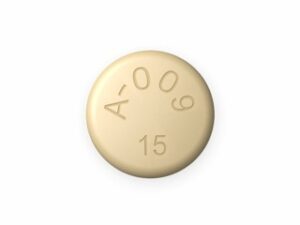



Fluvoxamine (Fluvoxamine Maleate) – Patient Information (Australia)
Fluvoxamine is a prescription medicine used to treat certain mental health conditions. It belongs to a group of medicines called selective serotonin reuptake inhibitors (SSRIs). Many people know SSRIs for their role in depression, but fluvoxamine is also commonly used for obsessive-compulsive disorder (OCD).
This page explains what fluvoxamine does, how it works in the body, how to take it safely, important interactions (including with alcohol and other medicines), and practical tips for day-to-day use in Australia.
Basic product information
| Category | Details |
|---|---|
| Generic name | Fluvoxamine (often as fluvoxamine maleate) |
| Medicine type | SSRI antidepressant |
| Common forms | Tablets / capsules depending on brand and availability |
| Main uses | OCD and related conditions; sometimes depression (varies by clinician guidance) |
| How it’s usually taken | Once or divided doses daily (exact schedule depends on your dose and condition) |
| Typical onset | Some improvement may start within 2–4 weeks; full effect often takes longer |
How fluvoxamine works (mechanism of action)
Fluvoxamine works mainly by increasing the activity of serotonin in the brain. Serotonin is a chemical messenger (neurotransmitter) that helps regulate mood, anxiety, sleep, and other functions.
- SSRI action: Fluvoxamine blocks the reuptake of serotonin by inhibiting the serotonin transporter.
- Result: More serotonin remains available in the synaptic space, helping improve symptoms over time.
- OCD benefit: For OCD, the gradual reduction in obsessions and compulsions is thought to be linked to changes in serotonin-dependent brain circuits involved in anxiety and habit loops.
Because brain chemistry changes take time, symptom improvement is typically gradual rather than immediate.
Pharmacokinetics (how the body processes it)
Pharmacokinetics describes absorption, distribution, metabolism, and elimination. Understanding these features can help explain timing of effects and interaction risks.
- Absorption: Fluvoxamine is absorbed after oral dosing. The extent and rate depend on the formulation.
- Metabolism: Fluvoxamine is mainly metabolised by the liver, with involvement of the cytochrome P450 system. This matters because it can interact with other medicines that rely on the same pathways.
- Half-life: It generally has a relatively long elimination half-life, meaning it stays in the body for a longer period. This supports once-daily or divided dosing schedules.
- Steady state: With daily use, blood levels gradually reach steady state typically within about one week or longer depending on dose and individual metabolism.
- Variability: Response and side effects can vary between individuals, influenced by age, liver function, and other medicines taken.
What fluvoxamine is typically used for in Australia
Fluvoxamine is most commonly used for:
- Obsessive-compulsive disorder (OCD): Reducing intrusive thoughts (obsessions) and repetitive behaviours (compulsions).
- Related anxiety/depression disorders: In some circumstances, clinicians may use it where it suits the symptom pattern and patient profile.
Treatment choice is individual. Your clinician will consider symptoms, past response to medicines, side-effect risks, other health conditions, and potential interactions.
Timing and how to take fluvoxamine
Taking fluvoxamine at the right time can improve comfort and adherence. Many people are advised to take it:
- Once daily or divided into two doses, depending on the prescribed regimen.
- With consistent daily timing (e.g., same morning/evening schedule).
- At a time that suits side effects: If it makes you feel sleepy, evening may be preferable; if it causes insomnia, morning may help.
Important: Follow the directions provided for your specific product and dose. Do not adjust your dose suddenly unless a clinician instructs you to.
Food interactions: can you take it with meals?
Fluvoxamine is generally taken regardless of meals, but individual tolerance can vary. Some people find that taking it with food reduces nausea or stomach upset.
- If you experience nausea: try taking it with a meal or snack.
- Consistency helps: aim for a similar meal pattern each day.
- Avoid sudden changes: large swings in diet or timing may affect tolerability.
If you’re unsure how to take your specific brand, check the product label or ask a pharmacist.
Alcohol and medicine interactions
Alcohol
It’s generally recommended to avoid or minimise alcohol while taking fluvoxamine. Alcohol can worsen side effects such as:
- drowsiness or dizziness
- impaired coordination and reaction time
- mood instability
If you choose to drink, keep it minimal and monitor how you feel. Seek medical advice if alcohol triggers symptoms or side effects.
Common medicine interaction themes
Fluvoxamine can interact with other medicines due to its effects on liver enzymes and serotonin signalling. Some combinations may increase side-effect risk or reduce effectiveness.
Always tell your clinician and pharmacist about all medicines you take, including:
- prescription medicines
- over-the-counter products
- herbal supplements
- vitamins and minerals
Examples of interaction risks to discuss
- Other serotonergic medicines (risk of serotonin syndrome): Medicines that increase serotonin can, when combined, rarely lead to serotonin syndrome. Examples may include some migraine medicines (e.g., triptans), certain pain medicines (e.g., tramadol), and some cough remedies containing dextromethorphan.
- Monoamine oxidase inhibitors (MAOIs): typically not combined with SSRIs. Specific washout periods may apply.
- Linezolid or methylene blue: can increase serotonin-related risk depending on context.
- Some antipsychotics or other antidepressants: may have additive effects on serotonin, sedation, or heart rhythm.
- Antiarrhythmics or medicines affecting heart rhythm: caution may be required for those with known rhythm effects.
- Anticoagulants/antiplatelet medicines: SSRIs may increase bleeding risk, especially with certain blood thinners.
- Non-steroidal anti-inflammatory drugs (NSAIDs) and aspirin: can also increase bleeding tendency when combined with SSRIs in some people.
- Drugs metabolised by the liver: levels of some medicines can change when taken with fluvoxamine.
This is not a complete list. Interaction severity varies widely, so check with a pharmacist for your exact combination.
Indications: when fluvoxamine is appropriate
Indications are the conditions for which a medicine is used. For fluvoxamine, the most typical indication is:
- Obsessive-compulsive disorder (OCD), including reduction of obsessions and compulsions.
Treatment decisions are guided by symptom severity, past treatment response, comorbid conditions (such as anxiety or depression), and personal risk factors. If you’re switching medicines, tapering schedules and monitoring are particularly important.
Dosing: general guidance (Australia)
Dosing must be individualised. The information below is general and meant to help you understand how dosing commonly works. Always follow the dosing directions given by your clinician and the product label for your strength and formulation.
- Start low, go slow: Many clinicians begin at a lower dose to reduce early side effects, then adjust gradually.
- Divided dosing may be used: Fluvoxamine is sometimes taken in divided doses to improve tolerability.
- OCD response can be gradual: Symptom improvement may take weeks; dose adjustments are often made based on response and tolerability.
If you miss a dose:
- Take it when you remember unless it’s close to the next dose.
- Do not double up to make up for the missed dose.
- If you regularly miss doses, talk to a pharmacist—there may be strategies to make daily use easier.
Do not stop fluvoxamine abruptly without medical advice. Sudden stopping can cause withdrawal-like symptoms (see safety section).
Safety profile: what to know before and during use
Like all medicines, fluvoxamine can cause side effects. Many are mild and improve after the first couple of weeks. However, some effects require prompt medical attention.
Common side effects
- nausea, upset stomach
- headache
- sleep changes (sleepiness or insomnia)
- fatigue
- dry mouth
- increased sweating
- sexual side effects (e.g., reduced libido or delayed orgasm)
- temporary increase in anxiety early in treatment (sometimes occurs)
Less common but important risks
- Bleeding risk: SSRIs may increase the risk of bleeding, particularly when combined with NSAIDs, aspirin, or anticoagulants.
- Serotonin syndrome (rare): More likely when combined with other serotonergic medicines. Symptoms can include agitation, confusion, fever, sweating, tremor, diarrhoea, and muscle stiffness.
- Mania/hypomania: In people with bipolar disorder, antidepressants can trigger mood elevation.
- Seizures: Risk is generally low but may be higher in those with a seizure history.
- Low sodium (hyponatraemia): Can occur especially in older adults or those taking diuretics. Symptoms may include headache, weakness, confusion, or unsteadiness.
- Heart rhythm concerns (QT effects): Most people do not experience problems, but caution is advised if you have cardiac risk factors or take medicines known to affect rhythm.
Withdrawal and stopping (important)
Stopping SSRIs suddenly can lead to discontinuation symptoms, sometimes called withdrawal symptoms. These can include dizziness, nausea, irritability, flu-like feelings, and sensory disturbances.
To reduce risk, clinicians often recommend gradual dose reduction. If you’re planning to stop or change fluvoxamine, ask a pharmacist or clinician for a safe tapering plan.
When to seek urgent help
Get urgent medical attention if you experience:
- symptoms suggestive of serotonin syndrome (see above)
- severe agitation, confusion, fainting, or seizures
- thoughts of self-harm or worsening depression that feels unmanageable
- signs of an allergic reaction (swelling of face/lips, trouble breathing, widespread rash)
Practical use tips for everyday success
- Track early changes: In the first 1–2 weeks, side effects may appear before clear benefits. Keeping a simple daily note of sleep, nausea, anxiety level, and mood can help guide adjustments with your clinician.
- Give it time: For OCD especially, full benefit often takes longer than for milder anxiety. Avoid judging effectiveness after only a few days.
- Stay consistent: take it around the same time each day.
- Manage nausea: taking with food and staying hydrated can help.
- Plan for sleep: if you feel drowsy, consider evening dosing (discuss with your clinician). If it causes insomnia, consider morning dosing (discuss with your clinician).
- Avoid abrupt changes: don’t stop suddenly if you feel better or worse.
- Be mindful of supplements: herbal products can interact—ask a pharmacist before adding anything new.
Alternative options (depending on symptoms and history)
If fluvoxamine isn’t suitable, alternatives may include other SSRIs or other medicines used for OCD and related conditions. The best choice depends on your diagnosis, age, other medicines, and side-effect profile.
Possible alternatives (discuss with your clinician):
- Other SSRIs: e.g., sertraline, fluoxetine, paroxetine (varies by indication and patient factors).
- Clomipramine: a different antidepressant often used in OCD in some cases (requires careful monitoring).
- Psychological therapy: For OCD, cognitive behavioural therapy (CBT) with exposure and response prevention (ERP) is highly effective and often combined with medication.
- Adjunct strategies: sleep, stress reduction, and structured coping plans can improve overall outcomes.
If you are switching medicines, this must be done carefully to minimise side effects and interaction risks.
Market and legal context for Australia
In Australia, medicines like fluvoxamine are regulated by the Therapeutic Goods Administration (TGA). SSRIs are commonly prescribed for OCD and depression-related conditions where clinically appropriate.
In general, access is guided by Australian prescribing rules and professional assessment. On an online pharmacy service, verification of eligibility and safe supply practices are typically followed to ensure correct medicine choice and patient safety.
Availability can vary by brand, strength, and formulation. Your pharmacist can advise on suitable substitutions where allowed and appropriate.
Recent guidance and monitoring (high-level)
While specific recommendations can change over time, ongoing public health and clinical guidance for SSRIs commonly emphasises:
- Careful assessment of mental health symptoms and risk factors before initiating therapy.
- Monitoring early treatment for side effects and changes in anxiety/sleep, and reassessing response after an adequate trial period.
- Reviewing medicine interactions, especially serotonergic combinations and medicines metabolised by the liver.
- Attention to bleeding risk in people taking anticoagulants/antiplatelets or NSAIDs.
- Gradual dose changes to reduce discontinuation symptoms when stopping or switching.
If you’re currently taking fluvoxamine, it’s a good idea to have periodic medication reviews with your clinician or pharmacist.
Delivery and availability (online pharmacy)
Availability and delivery options vary between online pharmacy services and individual regions. When purchasing fluvoxamine online, you can typically expect:
- Stock availability checks for the exact product strength and form (e.g., tablets vs capsules).
- Dispatch after verification through the service’s clinical and compliance steps.
- Safe packaging for medicine transit.
- Tracking information for eligible deliveries (where offered).
If the exact brand is unavailable, your pharmacist may discuss alternatives that are equivalent in active ingredient and suitable for your regimen.
FAQ about fluvoxamine
1) How long does it take for fluvoxamine to work?
Some people notice early changes within 2–4 weeks, but for OCD it often takes several weeks to months for a full response. Keep taking it consistently while your treatment is being assessed.
2) What should I do if my side effects are unpleasant?
Mild nausea, sleep changes, or headaches can occur early. If side effects are severe, persist, or you feel unsafe, contact your clinician promptly. Your dose or timing may be adjusted.
3) Can I take fluvoxamine with other antidepressants or anxiety medicines?
Some combinations can be used under medical supervision, but others may increase the risk of serotonin syndrome, sedation, or other complications. Always disclose your full medicine list to a pharmacist before starting or changing medicines.
4) Is it safe to drive or operate machinery?
Fluvoxamine can cause drowsiness or dizziness in some people, especially at the beginning of treatment or after dose changes. Until you know how it affects you, use caution and avoid driving or machinery use if you feel unsteady.
5) Can I drink alcohol while on fluvoxamine?
It’s generally advised to minimise or avoid alcohol. Alcohol can worsen dizziness and mood symptoms and may make side effects harder to manage. If you choose to drink, do so cautiously and monitor for adverse effects.
6) What happens if I miss a dose?
Take the missed dose when you remember unless it’s close to the next dose. Do not double up. If you’re unsure, ask your pharmacist or clinician for advice based on your schedule.
7) Can fluvoxamine cause sexual side effects?
Yes. SSRIs can cause sexual side effects such as reduced libido or delayed orgasm. If this affects your wellbeing, discuss options with your clinician—there may be strategies to improve tolerability.
8) How should I stop fluvoxamine?
Do not stop suddenly without medical advice. To reduce discontinuation symptoms, clinicians commonly recommend gradual tapering. Seek guidance for a safe plan tailored to your dose and duration of use.
9) Is fluvoxamine used in children?
Use in children depends on the condition being treated and local prescribing criteria. Dosing and monitoring may differ significantly. Speak with a clinician for age-appropriate advice.
10) Can I take fluvoxamine if I have liver problems?
Liver impairment can affect how fluvoxamine is processed. Your clinician may adjust the dose and monitor you more closely. Always disclose liver disease, hepatitis history, or past abnormal liver tests.
Summary
Fluvoxamine is an SSRI medicine used most notably for obsessive-compulsive disorder (OCD). It gradually helps improve symptoms by increasing serotonin availability in the brain. Like all antidepressants, it can take time to work and may cause side effects—especially early on.
Safe use depends on taking it consistently, avoiding risky combinations (particularly with serotonergic medicines and alcohol), and attending regular reviews. If you have questions about interactions, timing, or what to expect in the first weeks, a pharmacist can help.