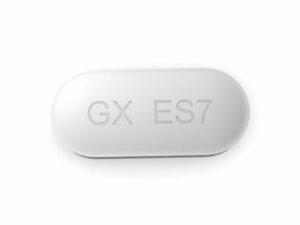


Amoxicillin (Amoxil® and other brands) — Patient-Friendly Guide (Australia)
Amoxicillin is a widely used antibiotic in Australia for treating a range of common bacterial infections. This page explains how amoxicillin works, when it’s used, how it’s typically taken, important interactions, and practical safety tips. It also includes information relevant to the Australian healthcare setting, including recent antimicrobial stewardship guidance.
Quick product overview
| Category | Information |
|---|---|
| Medicinal product | Amoxicillin (penicillin-class antibiotic) |
| Common forms | Tablets/capsules, dispersible/soluble products, and oral suspensions (strengths vary) |
| Common uses | Ear, throat, chest/respiratory, urinary, skin, and certain dental infections (when caused by susceptible bacteria) |
| How it works | Kills bacteria by interfering with cell wall formation |
| Key cautions | Do not use for viral infections; avoid in people with penicillin allergy; watch for interactions and side effects |
| Australian context | Used under antimicrobial stewardship principles; follow local guidance from clinicians and pharmacists |
What is amoxicillin?
Amoxicillin is an oral antibiotic that belongs to the penicillin family. It’s designed to treat infections caused by bacteria that are susceptible to this medicine. It is commonly prescribed for conditions such as middle ear infections, sore throat/tonsillitis, sinus infections, some chest infections, urinary tract infections, and certain skin or dental infections.
Amoxicillin does not treat infections caused by viruses (for example, most colds and flu). Using antibiotics when they aren’t needed can increase the risk of side effects and contribute to antibiotic resistance.
Mechanism of action (how it works)
Amoxicillin works by targeting bacterial cell wall synthesis. Specifically, it binds to penicillin-binding proteins (PBPs), which are involved in building and maintaining the bacterial cell wall. Without a properly formed cell wall, bacteria become unable to grow and multiply, leading to bacterial death.
- Bactericidal action: It can actively kill susceptible bacteria.
- Depends on susceptibility: Effectiveness varies depending on whether the causative bacteria are susceptible to amoxicillin.
- Not effective for viral infections: Antibiotics don’t treat viruses.
Pharmacokinetics (how your body handles it)
“Pharmacokinetics” describes what happens to a medicine in the body—how it’s absorbed, distributed, metabolised, and eliminated. Amoxicillin is generally well absorbed from the gastrointestinal tract.
Absorption
After oral dosing, amoxicillin is absorbed and reaches therapeutic levels in the blood. Absorption is not dramatically reduced by food in most people. However, taking it with food may reduce nausea for some individuals.
Distribution
Amoxicillin spreads into many tissues and body fluids. It can reach sites of infection depending on the infection location and the presence of inflammation.
Metabolism and elimination
Amoxicillin is primarily eliminated through the kidneys. In people with reduced kidney function, dosing adjustments may be required by a clinician to prevent excessive drug levels.
Typical timing in the body
- Effects generally begin after the medicine is absorbed.
- Improvement in symptoms often occurs within 1–3 days, though this varies by infection and severity.
- It’s important to complete the full course as directed for the infection type and severity.
Typical uses (indications)
Amoxicillin is used for infections caused by susceptible bacteria. Common categories include:
- Ear, nose, and throat infections: e.g., some cases of otitis media (middle ear infection), tonsillitis, or sinus-related bacterial infections.
- Respiratory tract infections: e.g., certain bacterial chest or bronchial infections (as assessed by a clinician).
- Urinary tract infections (UTIs): depending on local resistance patterns and bacterial susceptibility.
- Skin and soft tissue infections: when due to susceptible organisms.
- Dental infections: including some cases of dental abscesses or severe dental infections, often as part of a broader plan of care.
Your clinician or pharmacist may consider factors such as symptom pattern, exam findings, local resistance trends, and whether a bacterial cause is likely. In some cases, additional testing (like throat swabs or urine testing) may be used.
How to take amoxicillin (timing and dosing basics)
Dosing depends on the type of infection, severity, age, weight (especially in children), and kidney function. Follow the dose instructions provided with your specific product and advice from your clinician.
Typical dosing schedules (common patterns)
Many adult and adolescent regimens use either two or three doses per day, depending on the infection and formulation. For children, dosing is often weight-based and may be divided across the day.
- Often taken with regular intervals: try to space doses evenly.
- Consistency matters: taking doses at similar times helps maintain effective drug levels.
- Use the correct formulation: tablets, capsules, and suspensions can have different strengths—avoid mixing products.
When to expect improvement
- Some symptoms may improve within 24–72 hours.
- If you’re not improving or symptoms are worsening after a short period, seek advice promptly.
- If your infection is severe, do not delay medical review.
Practical tips to improve adherence
- Set reminders on your phone for each dose.
- Use a pill organiser if appropriate for your formulation.
- If taking a suspension, shake well as directed and measure accurately with an oral syringe/cup.
- Keep a brief note of start date and dosing times.
Food interactions (can you take it with meals?)
Amoxicillin can generally be taken with or without food. However, food can affect tolerance for some people.
- With food: may reduce stomach upset or nausea.
- Without food: may still be effective for many people; if it upsets your stomach, switch to taking it with meals.
If you are taking other medicines at the same time, consider spacing them if your pharmacist advises it. Always check the specific product label for instructions.
Alcohol and medicine interactions
There is no universal “safe amount” of alcohol when you’re taking antibiotics, and reactions vary by person and by the rest of your treatment plan. Amoxicillin is not known for a classic alcohol-disulfiram type reaction like some other medicines, but alcohol can still:
- Worsen side effects such as nausea, dizziness, or diarrhoea
- Dehydrate you, which may be harmful if you already feel unwell
- Interfere with recovery from infection
A practical approach is to limit or avoid alcohol while you’re sick and taking antibiotics. If you choose to drink, do so sparingly and avoid heavy drinking. If you have liver disease or other medical concerns, ask your pharmacist for tailored advice.
Other medicine interactions (important examples)
Tell your pharmacist or clinician about all medicines you’re using, including over-the-counter products and supplements. Some commonly relevant interactions include:
- Warfarin (and other blood thinners): Antibiotics can affect bleeding risk in some people. Monitoring and dose adjustments may be needed.
- Oral contraceptives: If you experience vomiting or severe diarrhoea due to illness or medicine side effects, effectiveness may be reduced. Consider backup contraception during the illness and consult a pharmacist.
- Allopurinol: Co-administration may increase the likelihood of skin rash in some patients.
- Probenecid: May reduce renal clearance of penicillins and increase levels.
- Other antibiotics: Combination therapy depends on the infection; do not combine antibiotics unless directed.
This list isn’t exhaustive. Interaction risk depends on your personal medicines, dose, kidney function, and the infection being treated.
Safety profile and side effects
Like all medicines, amoxicillin can cause side effects. Many people tolerate it well, but it’s important to know what to expect and when to seek help.
Common side effects
- Nausea
- Diarrhoea (mild and short-lived in some people)
- Stomach discomfort
- Headache
- Skin rash (can occur; see allergy section below)
Serious side effects (seek urgent medical advice)
- Signs of allergy (anaphylaxis or severe hypersensitivity): trouble breathing, swelling of the face/lips/tongue, hives, fainting, or severe rash.
- Severe or persistent diarrhoea: especially if watery, bloody, or accompanied by fever or severe cramps. This can signal Clostridioides difficile infection and requires prompt medical review.
- Severe skin reactions: blistering, peeling skin, or widespread rash with fever.
- Unusual bruising or bleeding: particularly if you’re taking anticoagulants.
Allergy warnings (penicillin allergy)
Do not take amoxicillin if you have had a serious allergic reaction to penicillins or known components of the product. If you previously experienced rash or allergy, discuss this with a pharmacist or clinician before using again.
If you develop symptoms of allergy during treatment, stop the medicine and seek urgent medical help.
Practical use tips (to get the best results)
- Take as directed: complete the course unless advised otherwise by a clinician or pharmacist.
- Don’t save leftover tablets: Use of leftover antibiotics for a new illness may be unsafe and ineffective.
- Separate from certain supplements: If you’re taking mineral supplements (e.g., magnesium, iron), ask your pharmacist whether spacing is necessary for your specific situation. This is more common with some antibiotics than with amoxicillin, but individual advice matters.
- Hydrate and rest: supporting recovery helps your body fight the infection.
- Consider probiotics only if appropriate: Some people use probiotics to reduce antibiotic-associated diarrhoea, but evidence varies. Ask a pharmacist, especially if you’re immunocompromised or have other health conditions.
Managing missed doses
If you miss a dose, take it when you remember unless it’s close to the next scheduled dose. Do not double up to make up for a missed dose. If you’re unsure, ask a pharmacist for guidance based on your schedule.
Alternative options (when amoxicillin isn’t suitable)
If amoxicillin isn’t appropriate—such as due to allergy, intolerance, suspected resistance, or the need for a different spectrum of activity—clinicians may consider other antibiotics or strategies. The best alternative depends on the infection type and local resistance patterns.
Examples of alternatives clinicians might consider:
- Cephalosporins (in selected patients, depending on the nature of penicillin allergy)
- Macrolides (for some respiratory or throat infections)
- Doxycycline (for certain bacterial infections when appropriate)
- Clindamycin (in specific scenarios, such as some skin/soft tissue infections)
- Topical or supportive treatments for selected skin conditions, or procedures (e.g., dental drainage) where relevant
Alternatives must be chosen carefully because “another antibiotic” is not automatically better. Incorrect selection can lead to treatment failure and further resistance. Always seek professional advice for the right option for your diagnosis and history.
Market and legal context in Australia
Antibiotics are tightly regulated in Australia to support safe and effective use. Medicines containing amoxicillin are generally available through prescription-based channels and are dispensed by licensed pharmacies in accordance with Australian regulatory requirements.
Australia also places strong emphasis on antimicrobial stewardship, meaning antibiotics should be used only when they are likely to benefit the patient. This helps slow the spread of antibiotic resistance.
Stewardship and “recent guidance” themes (Australia)
- Confirm bacterial likelihood: antibiotics should be prescribed for suspected or confirmed bacterial infections.
- Right drug, right dose, right duration: avoiding unnecessary broad-spectrum use.
- Review response: reassessment if symptoms don’t improve.
- Prevent misuse: discouraging leftover or shared antibiotics.
Guidance can be issued and updated by Australian health authorities and professional bodies. For individual advice, rely on your healthcare professional and pharmacist.
Delivery and availability (online pharmacy information)
Amoxicillin is commonly stocked by pharmacies in Australia because it is used for a wide range of infections. Availability may vary by strength and formulation (for example, tablets versus suspensions).
What to expect when ordering online
- Product selection: choose the correct strength and form as indicated on the product listing.
- Packaging: you may receive one or multiple packs to match the required quantity.
- Dispensing accuracy: confirm the name, strength, and dosage form before use.
- Shipping: delivery timelines vary by location and courier service.
If you need this medicine urgently (for example, for a rapidly worsening infection), contact customer support to check dispatch times.
FAQ — Amoxicillin
1) What infections does amoxicillin treat?
It treats infections caused by susceptible bacteria, such as certain ear, throat, sinus, chest/respiratory, urinary tract, skin, and dental infections. It won’t treat viral illnesses like colds and flu.
2) How fast will I feel better?
Many people start to feel some improvement within 1–3 days. If you’re not improving, or your symptoms worsen, seek advice promptly.
3) Can I take amoxicillin with food?
Yes. Taking it with food can reduce nausea for some people. The medicine is typically effective whether you take it with meals or not.
4) Can I drink alcohol while taking amoxicillin?
It’s best to limit or avoid alcohol while you’re unwell. Alcohol can worsen side effects and slow recovery. If you do drink, do so sparingly and avoid heavy drinking.
5) What if I miss a dose?
Take the missed dose when you remember, unless it’s close to your next scheduled dose. Don’t double the dose. If you’re unsure, ask a pharmacist for advice based on your dosing schedule.
6) Are there people who should not take amoxicillin?
People with a history of serious penicillin allergy should not take amoxicillin. Others may need caution depending on kidney function, previous antibiotic reactions, or the presence of certain medical conditions. Always discuss your history with a pharmacist or clinician.
7) What side effects are expected?
Common side effects include nausea, mild diarrhoea, stomach discomfort, and sometimes mild rash. Seek urgent medical advice if you have signs of severe allergy, severe diarrhoea, or a severe skin reaction.
8) Can amoxicillin cause diarrhoea?
Yes. Mild diarrhoea can occur. However, severe or persistent diarrhoea (especially if watery or bloody) during or after antibiotics may indicate a more serious condition and needs prompt medical review.
9) Does amoxicillin interact with other medicines?
It can interact with certain medicines (for example, blood thinners like warfarin, and some others). Provide your full list of medicines and supplements to a pharmacist to check for interactions.
10) Are probiotics recommended with amoxicillin?
Some people find probiotics helpful for antibiotic-associated diarrhoea, but evidence varies and they are not suitable for everyone. Ask your pharmacist if you have health conditions that make probiotics unsuitable.
Important reminders
- Use only when appropriate: antibiotics are for bacterial infections.
- Don’t share or use leftovers: this can be unsafe and ineffective.
- Know the warning signs: severe allergy, severe diarrhoea, or severe rash need urgent assessment.
- Ask if unsure: your pharmacist can help with dosing timing, administration, and interactions.
If you have specific symptoms, allergies, or medical conditions, speak with a healthcare professional for advice tailored to you.