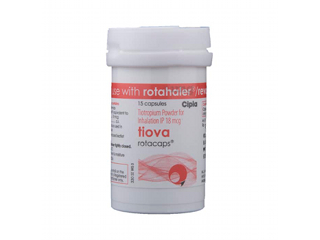
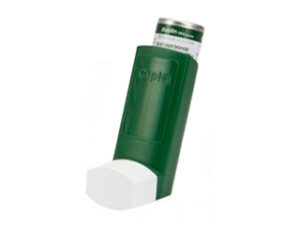
Tiova Rotacap (Tiotropium Bromide) – Patient Information (Australia)
Tiova Rotacap is an inhaled medicine containing tiotropium bromide, a long-acting medicine used to help keep airways open and improve breathing in people with certain lung conditions. It works by relaxing airway muscles and reducing airway narrowing over time.
This page provides a clear, patient-friendly overview of how Tiova Rotacap works, how to use it correctly, what to expect, and important safety and interaction information for use in Australia.
Quick Facts
- Medicine: Tiotropium bromide
- Brand: Tiova Rotacap
- How it’s used: Inhalation via Rotacap device (dry powder)
- How often: Commonly once daily (exact dose depends on the product strength and prescribed plan)
- What it helps: Chronic obstructive pulmonary disease (COPD) and maintenance treatment to reduce symptoms and exacerbations
- Key mechanism: Long-acting antimuscarinic (bronchodilator)
Basic Product Information
| Category | Details |
|---|---|
| Active ingredient | Tiotropium bromide |
| Medicine type | Inhaled long-acting bronchodilator (LAMA) |
| How it’s taken | Inhalation of dry powder from Rotacap capsule using the provided inhaler device |
| Typical dosing schedule | Once daily maintenance (follow your specific instructions for your strength and condition) |
| Common uses | Maintenance treatment of COPD; may be used as part of long-term management for chronic breathing symptoms |
How Tiova Rotacap Works (Mechanism of Action)
Tiotropium bromide belongs to a group of medicines called antimuscarinics (also known as muscarinic antagonists). In the airways, a chemical messenger called acetylcholine can tighten airway muscles and increase mucus production.
Tiotropium blocks muscarinic receptors—mainly the M3 subtype—on airway smooth muscle. This leads to:
- Bronchodilation: airways relax and widen
- Reduced airway constriction: helps decrease breathlessness and wheeze over time
- More stable symptoms: supports ongoing maintenance treatment rather than quick relief
Because it dissociates slowly from receptors, tiotropium provides long-lasting effects, which is why it is typically used once daily.
Pharmacokinetics (How the Body Handles It)
Pharmacokinetics describe what happens to a medicine in the body—absorption, distribution, metabolism, and excretion.
- Absorption: Tiotropium is inhaled as a dry powder. A portion of the inhaled dose reaches the lungs. Some material may be swallowed and absorbed from the gastrointestinal tract, but overall systemic absorption is limited compared with inhaled delivery.
- Distribution: Tiotropium distributes in the body after absorption. Inhaled therapy targets the lungs, supporting local airway effects.
- Metabolism: It is not extensively metabolised. Most of the drug remains unchanged.
- Elimination: Tiotropium is mainly eliminated via the kidneys. This is relevant for people with reduced kidney function.
- Duration: Tiotropium’s long duration of action supports once-daily use for maintenance.
Typical Use and Indications
Tiova Rotacap is used for maintenance treatment of chronic obstructive pulmonary disease (COPD).
It is intended to help:
- Improve breathing symptoms (such as breathlessness)
- Reduce airways tightening
- Support longer-term stability in COPD
Tiova Rotacap is a controller/maintenance inhaler, not a medicine for immediate rescue during sudden attacks of severe breathlessness.
When to Take It (Timing)
Tiova Rotacap is usually taken once daily. Choose a time that you can remember consistently—for example:
- Morning or evening, depending on your routine
- Try to take it at the same time each day for best benefit
If you miss a dose, take it when you remember unless it is close to your next scheduled dose. Do not take a double dose to make up for a missed one.
Does Food Affect Tiova Rotacap?
Because Tiova Rotacap is inhaled directly into the lungs, food is not expected to significantly affect its effectiveness.
However, swallowing of some inhaled powder can occur. If you have swallowing difficulties or experience stomach discomfort, try inhaling correctly and follow the practical use tips below.
Alcohol and Medicines Interactions
Alcohol
There is no specific, direct alcohol–tiotropium interaction commonly highlighted for inhaled tiotropium. However, alcohol can affect breathing patterns and sleep quality, which may worsen symptoms in some people with COPD.
- If you drink alcohol, consider limiting intake and monitor how your breathing is affected.
- Be cautious if you use sedating medicines or if alcohol worsens breathlessness.
Other medicines (important interactions)
Tiotropium’s main effect is on muscarinic receptors. Interactions are mainly related to other medicines with similar antimuscarinic (anticholinergic) actions or specific use in glaucoma/urinary conditions.
- Other antimuscarinic bronchodilators: Using multiple antimuscarinic inhalers together may increase side effects (such as dry mouth or urinary issues). Follow your asthma/COPD action plan and medication list.
- Medicines for overactive bladder or anticholinergic effects: These may add to anticholinergic side effects.
- Eye medications (for glaucoma): Anticholinergic effects may be relevant in some patients. Inform your pharmacist or clinician if you have glaucoma.
- Kidney function medicines: Because tiotropium is largely cleared by the kidneys, medicines that affect kidney function may require monitoring.
Always provide a complete list of medicines (including over-the-counter products and herbal supplements) to your pharmacist. If you have any concerns about a specific combination, ask before starting.
Dose and Administration (How to Use Tiova Rotacap)
The correct dose depends on the product strength, your condition, and your clinician’s plan. Commonly, Tiova Rotacap is used once daily for COPD maintenance.
Important: Use the Rotacap capsule only with the approved inhaler device. Do not swallow the capsule.
General administration steps (dry powder Rotacap)
- Prepare: Open the blister only immediately before use. Remove one capsule (Rotacap) from the pack.
- Insert: Place the capsule into the inhaler chamber as directed for your device.
- Pierce and load: Close the device and pierce the capsule according to the inhaler instructions.
- Inhale firmly: Breathe in through the mouth strongly and deeply so the powder disperses. Do not breathe out into the device.
- Finish: Remove the empty capsule. If powder remains, you may need to repeat the inhalation steps with a fully prepared dose (follow device guidance).
If you are unsure about technique, ask a pharmacist to watch your first few uses. Good inhaler technique is critical to ensure the dose reaches the lungs.
Timing within your day
- Use at the same time daily.
- Do not use extra doses to treat sudden breathlessness episodes.
Safety Profile and Side Effects
Like all medicines, tiotropium can cause side effects, although not everyone gets them. Many people tolerate tiotropium well, especially when used correctly.
Common side effects
- Dry mouth
- Throat irritation
- Constipation (can occur with antimuscarinic medicines)
- Cough or mild changes in voice
Less common but important side effects
- Urinary retention (trouble passing urine), especially in people with prostate enlargement or bladder outlet obstruction
- Glaucoma-related symptoms if the spray/powder accidentally contacts the eyes (eye pain, blurred vision, halos around lights)
- Fast heart rate or palpitations in sensitive individuals
Seek urgent medical help if you experience
- Signs of allergic reaction: swelling of lips/face, rash, wheezing, or difficulty breathing soon after inhalation
- Severe eye symptoms (pain, redness, blurred vision)
- Severe trouble urinating or significant abdominal pain
Who should be extra cautious?
- People with glaucoma (especially narrow-angle glaucoma)
- People with urinary retention history or enlarged prostate
- People with kidney impairment
- Elderly patients who may be more prone to anticholinergic side effects
Practical Use Tips for Better Results
- Use the correct device: Tiova Rotacap capsules are designed for use with the specific inhaler. Do not use capsules in a different inhaler.
- Inhale strongly and deeply: This helps deliver the powder into the lungs.
- Don’t exhale into the inhaler: Moisture can clump dry powder and reduce dose delivery.
- Rinse your mouth if advised: While tiotropium is not typically associated with thrush like some steroid inhalers, good oral hygiene can help prevent irritation. Follow local advice or your clinician’s directions.
- Track symptoms: If your breathlessness worsens despite correct use, discuss it promptly. You may need a different inhaler plan.
- Check technique regularly: Inhaler technique can drift over time. Periodic reviews improve effectiveness.
Missed Dose and Overdose Information
Missed dose: Take it as soon as you remember on the same day if it’s not close to the next dose. Then resume your normal schedule. Do not double dose.
Overdose: Taking more than the recommended dose may increase side effects associated with antimuscarinic activity. If you think too much has been used, contact a healthcare professional for advice, especially if you develop symptoms such as severe dry mouth, fast heartbeat, urinary problems, or blurred vision.
Alternative Options (Other Maintenance Breathing Medicines)
COPD maintenance treatment often involves one or more long-acting inhalers. Alternative options may include:
- Other long-acting antimuscarinics (LAMA): e.g., inhaled medicines with similar mechanisms to tiotropium.
- Long-acting beta-2 agonists (LABA): bronchodilators that relax airway muscles through different pathways.
- Combination inhalers (LAMA/LABA): used when one medicine alone does not sufficiently control symptoms.
- Inhaled corticosteroids (ICS) in selected patients: may be added for certain COPD patients depending on exacerbation history and clinical assessment.
The best alternative depends on symptom severity, exacerbations, inhaler technique, other conditions, and tolerability. Speak with a pharmacist or clinician to choose the most suitable option.
Market and Legal Context for Australia (General Information)
In Australia, inhaled respiratory medicines are regulated under the Therapeutic Goods Administration (TGA). Product availability, prescribing requirements, and dispensing processes depend on the specific medicine and strength.
For Tiova Rotacap, availability is managed through standard Australian pharmacy supply channels. Always ensure you receive the correct strength and the appropriate inhaler device for the Rotacap capsules.
Package labelling and consumer medicine information (where applicable) provide details about the product, including dosing, warnings, and usage instructions. Follow those materials carefully.
Recent Guidance and Ongoing COPD Care (What to Keep in Mind)
COPD management guidance in Australia generally emphasises:
- Correct inhaler technique and adherence
- Smoking cessation (if relevant) and vaccination
- Long-term bronchodilator therapy to reduce symptoms
- Assessment of symptoms and exacerbations to adjust therapy when control is inadequate
If your symptoms change (for example, increasing breathlessness, reduced exercise tolerance, or more frequent flare-ups), discuss your medication plan promptly rather than adjusting doses yourself.
Delivery and Availability
Tiova Rotacap may be available through online pharmacy services that supply respiratory medicines within Australia. Delivery timeframes can vary based on location and stock availability.
- Stock status: Availability may depend on supply and strength; some items may be subject to ordering/dispatch times.
- Packaging: Medicines should arrive in original packaging. Check the expiry date on arrival.
- Inhaler device: Ensure you have the correct device compatible with the Rotacap capsules if it is not included.
If you need help verifying the right strength or device compatibility, contact our pharmacy team before placing your order.
FAQ (Frequently Asked Questions)
1) Is Tiova Rotacap for quick relief during a flare-up?
No. Tiova Rotacap is a maintenance inhaler. It is not intended for immediate relief of sudden severe breathlessness. If you need rapid symptom relief, use your prescribed reliever medicine as directed by your action plan.
2) How fast does it work?
Some people notice symptom improvement soon after inhalation, but the main benefit of long-acting bronchodilators is ongoing control over time. For maintenance effect, consistent daily use is important.
3) Can I take Tiova Rotacap with other inhalers?
Often yes, but it depends on your specific regimen. Many COPD plans include combinations of different inhaler types. Your pharmacist can help check for duplication (especially with other antimuscarinic medicines) and confirm the correct schedule.
4) What should I do if I get dry mouth?
Dry mouth is a known antimuscarinic side effect. Staying hydrated, sugar-free lozenges, and good oral care can help. If it becomes troublesome or severe, consult a pharmacist or clinician.
5) Is it safe if I have glaucoma or urinary problems?
Extra caution is needed. Inform your pharmacist or clinician if you have glaucoma, especially narrow-angle glaucoma, or urinary retention or an enlarged prostate. They can advise whether tiotropium is appropriate and how to monitor for side effects.
6) Does it interact with antibiotics or pain medicines?
There are no universal direct interactions, but interactions can depend on the specific antibiotic/pain medicine and your overall health. It’s best to check with a pharmacist using your full medication list.
7) What if I accidentally swallow the capsule?
You may swallow a small amount of powder, which generally should not cause major harm when used correctly. Do not intentionally swallow capsules. If you have concerns or experience adverse symptoms, ask a pharmacist for advice.
8) How do I know my inhaler technique is correct?
Signs of incorrect technique include poor symptom control, coughing during inhalation, or powder not being fully inhaled. A pharmacist can observe your technique and correct steps such as inhalation strength, device loading, and breath-holding (if applicable to your device).
9) Can I use Tiova Rotacap if I have kidney disease?
Tiotropium is mainly cleared by the kidneys. If you have kidney impairment, inform your pharmacist or clinician. They may recommend monitoring or may adjust therapy based on your health status.
10) Is Tiova Rotacap suitable for children?
Tiova Rotacap is generally used for adult COPD care. Use in children should only occur if specifically advised by a clinician with appropriate indication and dosing.
When to Contact a Healthcare Professional
Contact a healthcare professional promptly if:
- Your symptoms are not improving despite correct use
- Your breathlessness suddenly worsens
- You develop side effects that are persistent or severe (especially urinary problems or eye symptoms)
- You suspect an allergic reaction
With correct technique and consistent maintenance use, Tiova Rotacap can be an important part of long-term COPD management.