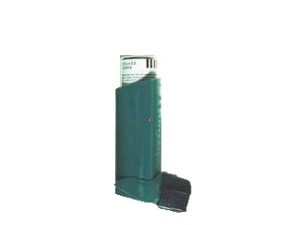
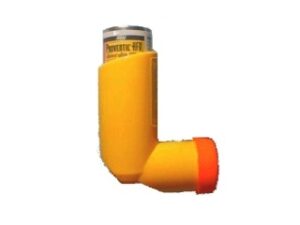
Ventolin Inhaler (Salbutamol) – Patient Information (Australia)
Ventolin Inhaler contains salbutamol (also known as albuterol in some countries). It is a fast-acting “reliever” medicine used to treat and prevent symptoms of reversible airway narrowing, such as wheezing, shortness of breath, chest tightness and coughing. It works quickly to relax the muscles around the airways and help you breathe more easily.
This page provides patient-friendly information about how Ventolin works, when it’s used, dosing guidance, safety tips, and interactions. Always follow the instructions on your product label and your healthcare professional’s advice.
Quick product overview
| Category | Details |
|---|---|
| Medicine | Ventolin Inhaler (salbutamol) |
| Type | Short-acting beta2-agonist (SABA), inhaled reliever |
| Main use | Relief of bronchospasm in conditions such as asthma and COPD |
| How it works | Relaxing airway smooth muscle and improving airflow |
| Onset of action | Typically within minutes |
| Duration of action | Usually about 4–6 hours (varies by person) |
| Route | Inhalation (pressurised metered-dose inhaler) |
What Ventolin Inhaler is used for (indications)
Ventolin is intended for the relief of symptoms caused by reversible narrowing of the airways. Common situations include:
- Asthma – for quick relief of asthma symptoms (wheeze, coughing, breathlessness, chest tightness).
- Prevention of exercise-induced bronchoconstriction – taken shortly before exercise if advised.
- Chronic Obstructive Pulmonary Disease (COPD) – to relieve bronchospasm and improve breathing when appropriate.
Ventolin is generally used as a reliever medicine. It is not a substitute for controller therapy (such as inhaled corticosteroids) in people with persistent asthma or COPD, where these are required to reduce inflammation and long-term risk.
How Ventolin works (mechanism of action)
Salbutamol belongs to a group of medicines called beta2-adrenoceptor agonists. When inhaled, it targets receptors in the muscle lining the airways. This leads to:
- Relaxation of bronchial smooth muscle → airways widen.
- Improved airflow → symptoms such as wheeze and shortness of breath ease.
- Reduced airway resistance → breathing becomes less difficult.
It also can reduce some pathways that contribute to bronchoconstriction. Because it works by relaxing airway muscles, it acts rapidly—helping relieve acute symptoms.
Pharmacokinetics (how the body handles salbutamol)
Pharmacokinetics describes absorption, distribution, metabolism and elimination. With inhaled salbutamol, most of the effect occurs in the lungs, but a portion may be swallowed or absorbed systemically.
Absorption
- Inhaled delivery allows salbutamol to reach the airways quickly.
- Some medication may deposit in the mouth/throat or be swallowed; this can contribute to systemic absorption.
Distribution
- Salbutamol can be absorbed into the bloodstream after inhalation and distribute to tissues.
Metabolism
- Salbutamol is mainly metabolised in the liver.
Elimination
- Most of the medicine and its metabolites are eliminated via the kidneys (urine).
- The medication’s action in the airways may last several hours, even though plasma levels decline relatively faster.
When to use Ventolin (timing and practical patterns)
Ventolin is typically taken when you need symptom relief. Timing can depend on the reason you’re using it.
For acute symptoms
- Use at the time symptoms begin, such as wheeze or shortness of breath.
- Many people feel relief within minutes.
- If symptoms persist, follow your personalised action plan or the product guidance discussed with a healthcare professional.
Before exercise (exercise-induced bronchoconstriction)
- Often taken about 10–15 minutes before exercise (or as advised).
- Warm-up exercise may also help reduce symptoms.
Regular schedule vs “reliever” use
Ventolin is designed for relief when needed. Needing it very frequently can be a sign of poorly controlled asthma or COPD. In that case, a review of your overall treatment plan may be necessary.
Dosing guidance (general information)
Dosing varies by age, condition, and individual response. Please check the specific directions on your Ventolin packaging or your healthcare professional’s advice.
General adult and adolescent use
- Typical reliever dose: commonly 1–2 inhalations for symptoms, with reassessment after a short interval.
- If symptoms are not adequately controlled, follow your action plan. Do not exceed the maximum daily dose stated on the product label.
General paediatric use
- Doses for children depend on age and the specific formulation and strength of the inhaler.
- Using a spacer device (where appropriate) may improve delivery and reduce side effects.
Prevention before exercise (general)
- Often 1–2 inhalations shortly before activity, depending on your plan and response.
Important: If you are unsure how many puffs to take or how to use your inhaler correctly, ask a pharmacist or clinician to demonstrate your technique.
Practical use tips (how to get the best results)
Correct inhaler technique is essential to receive the right amount of medicine in your lungs. Consider the following tips:
- Shake the inhaler before use (if the label instructs shaking).
- Breathe out fully before placing the mouthpiece in your mouth.
- Start to breathe in slowly, then press the canister to release a dose.
- Keep breathing in and hold your breath if you can for a short time (as advised).
- If taking more than one puff, wait about 1 minute (or as advised) between puffs.
- Use a spacer if you’ve been prescribed one, especially for children or if coordination is difficult. Spacers can improve delivery.
- Check the dose counter (if your model has one) and replace the inhaler before it runs out.
Common reasons Ventolin may feel like it “isn’t working”
- Incorrect inhaler technique (timing between pressing and inhaling).
- Inhaler empty or not primed if required for new devices.
- Not using a spacer where one is recommended.
- Airway inflammation that needs controller treatment rather than more reliever.
When to seek urgent help
Get urgent medical help if you experience severe breathing difficulty, your reliever does not help, you can’t speak comfortably in full sentences, or you notice signs of a serious asthma or COPD flare.
Food interactions
In general, food does not significantly affect salbutamol inhaler action because it is delivered to the airways. Some swallowed portion may occur, but typical meals or timing are not expected to meaningfully change effectiveness.
If you take other medicines for asthma/COPD, follow their specific instructions regarding meals. For your inhaler, focus on correct inhalation technique.
Alcohol and medicine interactions
Alcohol
Moderate alcohol intake is not known to directly block salbutamol, but alcohol can worsen breathing for some people or affect coordination and judgment (which may influence inhaler use). If you have asthma/COPD, it’s best to monitor how you feel after alcohol and follow personal medical advice.
Medicine interactions
Salbutamol may interact with certain other medicines. Tell your pharmacist or clinician about all medicines you take, including over-the-counter products and supplements.
- Beta-blockers (including some eye drops for glaucoma) may reduce the effect of salbutamol or worsen bronchospasm. Non-selective beta-blockers are of particular concern.
- Diuretics (“water tablets”) and some medicines that affect potassium levels may increase the risk of low potassium (hypokalaemia) with high-dose beta2 agonists.
- Other bronchodilators (e.g., additional beta-agonists) may increase side effects such as tremor or palpitations, especially if used frequently.
- Xanthines (such as theophylline) may add to stimulant-related side effects.
- Corticosteroids are commonly used in asthma/COPD. They don’t usually conflict with salbutamol, but overall plan and dosing should be reviewed for symptom control.
- Tricyclic antidepressants or MAO inhibitors may increase the heart-related effects of beta agonists.
If you are on multiple medicines, especially those affecting the heart or potassium, it’s important to seek tailored advice.
Safety profile and side effects
Ventolin is generally well tolerated when used as directed. However, like all medicines, it can cause side effects. Many side effects are dose-related and often improve after correct dosing or as your body adjusts.
Common side effects
- Tremor (shakiness), particularly in the hands
- Headache
- Fast heartbeat (palpitations)
- Feeling restless or “jittery”
- Throat irritation or mild mouth/throat dryness
- Muscle cramps (can occur, especially with higher doses)
Less common but important effects
- Low potassium (hypokalaemia)—more likely with frequent/high doses.
- Abnormal heart rhythms—rare, but seek medical advice if you feel unwell with severe palpitations.
- Paradoxical bronchospasm—rare; breathing may worsen immediately after inhalation.
- Allergic reactions such as rash, swelling, or breathing difficulty.
Who should take extra care
- People with heart disease, irregular heartbeat, or known arrhythmias.
- People with hyperthyroidism (overactive thyroid).
- People at risk of low potassium (e.g., on certain diuretics).
- People with poorly controlled asthma who may be relying on reliever frequently.
Pregnancy, breastfeeding and fertility
Many people can use salbutamol when needed, but decisions in pregnancy or breastfeeding should be individual. Discuss benefits and risks with a healthcare professional. If you become pregnant or are breastfeeding, it’s important not to stop your inhaler abruptly—seek advice on your best asthma/COPD management plan.
Using Ventolin safely: key warnings
- Do not overuse: frequent use may indicate your condition is not well controlled.
- If symptoms are returning quickly after taking Ventolin, consider having your treatment reviewed. Controller therapy adjustments may be needed.
- Separate medicines appropriately if you use multiple inhalers. Many action plans include a specific order. If uncertain, ask your pharmacist.
- Keep track of inhaler doses using the dose counter where available.
Alternatives to Ventolin Inhaler
Depending on your symptoms and condition, there may be other reliever or controller options. Possible alternatives include:
- Other short-acting beta2 agonists (SABAs) – similar “reliever” medicines may be available.
- Different inhaler types (e.g., with spacers or dry powder devices) – may suit some people better.
- Controller medicines for ongoing control (often inhaled corticosteroids and combination inhalers), if recommended.
- Long-acting bronchodilators (for COPD or persistent symptoms) – used under appropriate plans.
Your best option depends on your diagnosis (asthma vs COPD), severity, inhaler technique, and how often you need reliever. A healthcare professional can help choose the most suitable device and regimen.
Market and legal context in Australia (high-level)
In Australia, medicines are regulated by the Therapeutic Goods Administration (TGA). Products must meet quality, safety and performance requirements, and their classification (for example, whether they are scheduled) affects how they can be supplied.
Ventolin Inhaler is widely used and has an established role in asthma and COPD management. The availability of the product and supply requirements can vary based on local regulations, the exact product strength and device, and the pharmacy’s policies.
Online pharmacies typically provide information and may require certain checks before dispensing, such as confirming suitability based on your medication history and intended use.
Recent guidance and asthma/COPD care themes
Clinical guidance for asthma and COPD continues to emphasise:
- Reliever-only use is not ideal for persistent symptoms—people often need controller therapy to reduce inflammation and risk.
- Regular reviews to assess symptom frequency, inhaler technique, and whether a written action plan is in place.
- Early escalation during flare-ups—if reliever is frequently needed or symptoms worsen, seek medical assessment promptly.
- Correct inhaler technique and using a spacer when recommended.
If you have asthma, it’s especially important to consider whether your current plan is achieving good control, rather than simply increasing reliever doses.
Delivery and availability (online pharmacy information)
Ventolin Inhaler is commonly stocked due to its widespread use. Availability may vary by brand, device strength, and whether you’re ordering a particular pack size. When you order online, typical fulfilment steps include:
- Stock confirmation and packaging for safe transport.
- Delivery to your nominated address (delivery timeframes vary by location and shipping service).
- Care instructions to store inhalers correctly (see below).
If you need it urgently (for example, you’re experiencing acute symptoms), choose expedited shipping if available and consider contacting a pharmacy for advice.
Storage and handling
- Store at room temperature in a dry place.
- Protect from heat, sunlight and freezing.
- Do not puncture or burn the inhaler (pressurised device).
- Keep out of reach of children.
- Check expiry date and replace when expired.
FAQ – Ventolin Inhaler (Salbutamol)
1) How quickly does Ventolin work?
Ventolin is designed for rapid relief. Many people notice improvement within minutes after inhalation. The effects commonly last about 4–6 hours, but individual response can vary.
2) Can I use Ventolin every day?
Ventolin is usually intended for relief when needed, but some action plans include use before exercise or for specific patterns. Needing reliever frequently may indicate that your asthma/COPD is not well controlled—discuss your plan with a healthcare professional.
3) What if my breathing doesn’t improve after using Ventolin?
If your symptoms do not improve, are worsening, or you need repeated doses beyond what your action plan suggests, seek medical advice urgently. Severe breathing difficulties require prompt assessment.
4) Should I rinse my mouth after using Ventolin?
Rinsing is often suggested for inhaled medicines that remain in the mouth or can contribute to irritation. With Ventolin, mouth/throat irritation can occur, and gentle rinsing may help. Follow any instructions provided with your inhaler and overall asthma/COPD plan.
5) Can Ventolin be used with a spacer?
If you’ve been prescribed a spacer, it can improve delivery to the lungs and reduce side effects in the mouth/throat. Spacers are especially helpful for children or anyone who struggles with coordination.
6) Is Ventolin safe for children?
Ventolin is used in children when appropriate. The dose depends on age and diagnosis and should be based on the product label and healthcare advice. If using for a child, consider spacer use and ensure inhaler technique is correct.
7) Does Ventolin affect the heart?
Ventolin can cause palpitations or a fast heartbeat in some people, especially at higher doses or if used frequently. If you have a history of heart rhythm problems or experience severe symptoms (e.g., fainting, chest pain, or very fast irregular heartbeat), seek medical advice promptly.
8) Can I take Ventolin with other asthma medications?
Many people use Ventolin alongside other asthma medicines such as inhaled corticosteroids. Interactions are possible with certain medicines (including beta-blockers). If you have a complex regimen, ask your pharmacist to review it.
9) Will food or drinks interfere with Ventolin?
Food is not expected to significantly affect inhaled salbutamol. However, alcohol can worsen breathing or affect how you coordinate inhalation, so use caution and monitor your symptoms.
10) What should I do if I miss a dose?
Ventolin is generally used as a reliever and is not typically dosed like a schedule medication. If you were advised to take it at a specific time (e.g., before exercise), use it according to your personal plan when the timing applies.
Summary
Ventolin Inhaler (salbutamol) is a fast-acting reliever used to ease symptoms of reversible airway narrowing in conditions such as asthma and COPD. By relaxing airway muscles, it helps improve airflow within minutes. For best results, use correct inhaler technique and consider a spacer if recommended. If you need Ventolin often or symptoms are not controlled, seek a review of your overall treatment plan. When used as directed and monitored appropriately, Ventolin can be an important part of managing breathing difficulties.