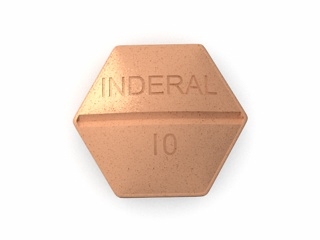


Inderal (Propranolol) – Patient Information (Australia)
Inderal is a brand of propranolol, a medicine from the beta-blocker family. It is used to help control several conditions where the body’s “adrenaline-like” signals play a role, including high blood pressure, certain heart rhythm problems, and symptom control in some thyroid, migraine, and tremor-related conditions.
This guide explains how Inderal works, how it’s used, key safety considerations, and practical tips for getting the most from your treatment—written for patients in an Australian context.
Basic product information
| Item | Details |
|---|---|
| Generic name | Propranolol |
| Brand name | Inderal |
| Medicine class | Non-selective beta-adrenergic blocker (beta-blocker) |
| Common forms | Oral tablets/capsules and other formulations depending on availability |
| Typical dosing frequency | Varies by formulation and condition (often 2–3 times daily for immediate-release; sometimes once or twice daily for modified-release) |
Important: Exact strength, formulation, and dosing schedule can differ between products (for example, immediate-release vs modified-release). Always follow the instructions provided with your specific medicine.
How Inderal works (mechanism of action)
Propranolol blocks beta-adrenergic receptors (primarily beta-1 and beta-2 receptors). This reduces the effects of adrenaline and noradrenaline on the heart and blood vessels.
- Heart rate and force of contraction: Propranolol slows the heart rate and reduces the heart’s workload.
- Blood vessel effects: By reducing sympathetic drive, it helps lower blood pressure.
- Electrical stability in the heart: It can help control certain rhythm disturbances.
- Overactive symptoms: It can reduce symptoms such as palpitations, tremor, and anxiety-like physical effects.
- Central effects: It may help prevent migraine in some people by affecting nerve signalling and vascular responses.
Pharmacokinetics (how the body handles it)
Pharmacokinetics describes absorption, distribution, metabolism, and excretion. Understanding these helps explain timing, food effects, and interactions.
- Absorption: Propranolol is absorbed after oral dosing. Peak levels typically occur within a few hours for immediate-release formulations.
- First-pass metabolism: A significant portion of the dose is metabolised by the liver before reaching the bloodstream. This can make effects vary between individuals.
- Distribution: Propranolol is distributed widely throughout the body, including into the brain.
- Metabolism: It is metabolised mainly by the liver (notably via pathways involving CYP enzymes). Liver function can affect how quickly it is cleared.
- Elimination: Metabolites are excreted mainly in urine. The apparent half-life is often several hours, but can vary.
- Formulation matters: Modified-release formulations are designed to release drug more slowly, which can change the dosing frequency and steadiness of blood levels.
Practical takeaway: Because metabolism and individual response vary, it may take a few days to feel the full benefit after starting or adjusting a dose—especially for blood pressure and migraine prevention.
Typical uses in Australia
Inderal (propranolol) may be used for a range of conditions where reducing beta-adrenergic activity helps control symptoms or disease progression.
Common indications
- High blood pressure (hypertension)—to reduce blood pressure and cardiovascular risk.
- Angina (stable)—to reduce workload on the heart and help with symptom control.
- Some heart rhythm problems—such as rate control in certain tachyarrhythmias (as advised by a clinician).
- Migraine prevention—to reduce frequency and severity in suitable patients.
- Tremor (for example, some forms of essential tremor).
- Thyroid-related symptoms—such as control of tremor, palpitations, and anxiety symptoms in hyperthyroidism (as part of broader management).
- Performance-related symptoms—in some circumstances where physical symptoms of anxiety (like tremor or palpitations) need control (this is not the same as treating anxiety itself).
Note: Availability of indications and exact dosing can depend on your diagnosis, current medications, and your personal risk factors.
When and how to take Inderal (timing)
Timing depends on the formulation (immediate-release vs modified-release) and the condition being treated.
- Consistent timing: Try to take your doses at the same times each day.
- Immediate-release formulations: Often taken multiple times daily (for example, morning and evening, sometimes with an additional dose).
- Modified-release formulations: Usually taken once or twice daily depending on the product.
- Don’t double doses: If you miss a dose, take it when you remember unless it’s near the next scheduled dose. Avoid doubling.
- Stopping abruptly is risky: Do not stop beta-blockers suddenly unless a clinician specifically instructs you to. Sudden withdrawal can cause rebound effects such as increased heart rate, worsening angina, or other symptoms.
Practical tip: If you’re using Inderal for blood pressure or migraine prevention, it’s important to continue taking it even if you feel well, because the benefits often build over time.
Food interactions and absorption
Food can affect how some beta-blockers are absorbed. For propranolol, effects may include changes in absorption rate and peak blood levels.
- General advice: Take Inderal consistently with respect to meals (either always with food or always on an empty stomach), unless your pharmacist or prescriber advises otherwise.
- If you get nausea or stomach upset: Taking with food may help.
- Alcohol and meal timing: Alcohol may worsen dizziness or low blood pressure, particularly when doses are new or increased.
What to avoid: No single food is universally prohibited, but your overall diet, hydration, and meal patterns can influence blood pressure and side effects.
Alcohol interactions
Alcohol can interact with Inderal mainly by additive effects (such as lowering blood pressure and increasing dizziness or light-headedness).
- Increased dizziness/faintness: Alcohol may make you feel more unsteady, especially when starting Inderal or changing the dose.
- Lower blood pressure: Combined effects can contribute to orthostatic symptoms (feeling worse when standing up).
- Heart effects: In some people, alcohol can increase palpitations; propranolol may mask heart rate changes while underlying rhythm issues remain.
Advice: If you choose to drink alcohol, do so in moderation and pay attention to dizziness, blood pressure symptoms, and how your body responds. Avoid binge drinking.
Medicine interactions (important)
Inderal can interact with other medicines. Interactions may change the effect of either medicine or increase the chance of side effects, particularly on heart rate, blood pressure, and rhythm stability.
Medicines that may increase the risk of slow heart rate or low blood pressure
- Other blood pressure/heart medicines (for example, some calcium channel blockers): may increase the risk of bradycardia (slow heart rate) or hypotension.
- Antiarrhythmics: may increase rhythm-related risks in susceptible individuals.
- Digoxin: can contribute to slow heart rate effects.
- Clonidine (and similar): abrupt changes in clonidine can interact with beta-blocker withdrawal/rebound physiology. Any stopping plan should be coordinated.
Medicines that may affect liver metabolism of propranolol
- Some antidepressants, antipsychotics, and antifungals may alter propranolol levels by affecting liver enzymes.
- Some antiviral/antibiotic medicines can also influence metabolism.
Medicines that can affect blood glucose or thyroid management
- Diabetes medicines: Beta-blockers can mask warning signs of hypoglycaemia (like fast heartbeat). You may still experience sweating, but the “feel” of low sugar can be less obvious.
- Thyroid hormone treatment: Dosing may need monitoring because propranolol can affect peripheral thyroid conversion and symptoms.
Common “attention points” to discuss with your pharmacist
- Asthma medicines: Because propranolol is non-selective, it can sometimes worsen bronchospasm in susceptible people.
- Cold and flu preparations: Some decongestants may oppose blood pressure-lowering effects.
- Smoking cessation aids: Nicotine and related therapies may change heart rate and blood pressure patterns.
Always tell your healthcare professional about all medicines you use, including over-the-counter products, herbal supplements, and occasional medicines.
Dosing guidance (general information)
Dose varies widely depending on the condition, age, kidney/liver function, and whether you’re starting therapy or switching from another beta-blocker. Below is general information to help you understand how dosing decisions are commonly made.
Factors that influence dose
- Diagnosis (blood pressure vs migraine prevention vs tremor, etc.)
- Formulation (immediate-release vs modified-release)
- Response and side effects (heart rate, blood pressure, symptoms)
- Liver function and other interacting medicines
- Age and frailty
Typical starting and adjustment approach (high-level)
- Start low, go slow: Many patients begin on a lower dose, then titrate upward based on response and tolerability.
- Monitoring: Blood pressure and heart rate are often checked. Symptoms such as dizziness, fatigue, or shortness of breath should be discussed promptly.
- Regular schedule: If taking multiple daily doses, keep spacing consistent.
Do not use this page to calculate your personal dose. Your dose should be set by your clinician and confirmed against your specific product label.
Safety profile and when to be cautious
Like all medicines, Inderal can cause side effects. Many are mild and may improve as your body adjusts, but some require urgent attention.
Common side effects
- Fatigue or tiredness
- Dizziness or light-headedness (especially when standing)
- Cold hands and feet
- Nausea or stomach discomfort
- Sleep disturbance or vivid dreams
- Reduced exercise tolerance
Serious side effects—seek urgent help
- Very slow heartbeat, fainting, or severe dizziness
- Chest pain worsening or severe shortness of breath
- Signs of an allergic reaction (swelling of face/lips, rash with breathing difficulty)
- Severe wheezing or breathing problems, particularly if you have asthma or COPD
Special caution groups
- Asthma/COPD: Non-selective beta-blockade can worsen bronchospasm. Your clinician should assess risk carefully.
- Diabetes: Propranolol can mask signs of hypoglycaemia (like fast heartbeat). Extra glucose monitoring may be needed.
- Heart block or very slow pulse history: More careful monitoring is required.
- Peripheral circulation problems: Cold extremities may worsen.
- Thyroid disease: Can mask some symptoms of hyperthyroidism.
- Myasthenia gravis: Beta-blockers may worsen muscle weakness in some cases.
- Older adults: Higher likelihood of dizziness and falls—slow dose titration and monitoring can help.
Practical tips for using Inderal safely
- Monitor your pulse: If you’ve been advised to, check your heart rate. Report persistently low rates or symptoms like faintness.
- Stand up slowly: This can reduce dizziness and light-headedness.
- Track blood pressure if needed: Home monitoring can help assess response.
- Be consistent with meals: Choose either “with food” or “without food” and keep it consistent unless your pharmacist advises changes.
- Keep an eye on hypoglycaemia signs: If you have diabetes, rely on glucose readings in addition to symptom awareness.
- Don’t stop suddenly: Talk to your clinician about a gradual taper if stopping becomes necessary.
- Inform healthcare providers: Tell surgeons/dentists and emergency teams you take propranolol.
Alternative options (what else may help)
Depending on why you’re taking Inderal, alternatives may include other beta-blockers or medicines from different classes.
Possible alternatives (examples)
- Other beta-blockers: Some are more beta-1 selective, which may be preferred in certain people with respiratory disease. Examples include (depending on availability and suitability) atenolol, metoprolol, or bisoprolol.
- Calcium channel blockers: For blood pressure or certain rhythm rate-control needs, depending on the specific condition.
- Anti-migraine preventives: Other preventive options may be used for migraine if propranolol isn’t tolerated (choice depends on your medical history).
- Tremor-specific approaches: Some tremor patients may be treated with other medications or non-drug strategies.
Important: Switching medicines should be guided by a clinician. Different beta-blockers are not always interchangeable at the same dose.
Market and legal context for Australia (patient-focused)
In Australia, propranolol and Inderal products are subject to pharmacy and regulatory requirements under the Australian Therapeutic Goods Administration (TGA) framework and the National Safety and Quality Health Service (NSQHS) standards that influence safe use.
For consumers, this generally means:
- Availability through authorised pharmacies: Beta-blockers like propranolol are commonly supplied under standard prescription/dispensing arrangements, depending on product classification and local regulations.
- Pharmacist involvement: Pharmacists provide counselling on dosing, interactions, and safety checks.
- Medicine safety systems: Quality controls, batch tracking, and reporting of adverse events help maintain medicine safety.
Note: The exact supply category and requirements may depend on the particular formulation and strength.
Recent guidance and monitoring considerations
While treatment decisions are individual, recent and ongoing guidance for beta-blocker use commonly emphasises:
- Careful dosing and monitoring: Blood pressure and heart rate should be monitored, particularly when starting or increasing dose.
- Respiratory risk assessment: Beta-blocker choice and caution are important for patients with asthma or COPD.
- Diabetes safety: Beta-blockers can mask hypoglycaemia symptoms; education and glucose monitoring may be needed.
- Avoid sudden withdrawal: Gradual tapering is typically recommended to reduce rebound effects.
- Drug interaction review: Medication lists should be checked for interacting cardiovascular and liver-metabolism influences.
Your pharmacist can help ensure your current medicine list has been reviewed for major interactions and that monitoring is appropriate for your situation.
Delivery and availability (online pharmacy information)
In Australia, online pharmacies typically source medicines from authorised distribution channels. Availability can vary by product strength and formulation.
- Stock checks: Many pharmacies confirm stock before dispatch. If an item is temporarily unavailable, they may offer an alternative strength/formulation if clinically appropriate.
- Packaging: Medicines are usually delivered in protective packaging with manufacturer labelling intact.
- Delivery timeframes: These vary depending on your location and order cutoff times. Choose standard vs express shipping options where available.
- Cold-chain: Propranolol tablets/capsules are generally not temperature-sensitive in the way some biologics are, but follow delivery conditions and storage instructions on the label.
Storage: Store your medicine at room temperature in a dry place, away from direct sunlight, in the original packaging where possible. Keep out of reach of children.
FAQ – Inderal (Propranolol)
1. How long does Inderal take to work?
Some effects (like reduced heart rate) may be noticeable relatively quickly after starting. For benefits such as blood pressure control or migraine prevention, it can take days to weeks. If you don’t feel improvement or you have worsening symptoms, speak with your pharmacist or clinician.
2. Can I stop Inderal if I feel better?
Do not stop suddenly. If stopping is considered, it should usually be done gradually under medical guidance to avoid rebound effects.
3. What should I do if I miss a dose?
Take the missed dose when you remember if it’s not too close to the next scheduled dose. If it’s near the next dose, skip the missed one and continue as planned. Avoid doubling.
4. Can I take Inderal with food?
Many people take it with food to reduce stomach upset. The key is consistency: take it the same way each day unless your healthcare professional advises otherwise.
5. Is it safe with alcohol?
Alcohol may increase dizziness and lower blood pressure when used with propranolol. If you drink, keep it moderate and avoid binge drinking—especially during the first days of treatment or after dose increases.
6. Will Inderal affect my breathing?
Because propranolol is non-selective, it can worsen bronchospasm in some people with asthma or COPD. If you have any breathing problems, discuss your risks with a healthcare professional before or when starting treatment.
7. Does Inderal mask low blood sugar symptoms?
Yes. In diabetes, beta-blockers can reduce the warning signs of hypoglycaemia—particularly the fast heartbeat. You may still notice sweating or other symptoms, but rely on your glucose monitoring plan.
8. What monitoring might I need?
Typical monitoring includes blood pressure, heart rate, and review of side effects. Your clinician may recommend additional tests depending on your condition and other medicines.
9. Are there special precautions before surgery or dental work?
Yes. Tell the treating team that you are taking propranolol. This helps them plan anaesthesia and manage cardiovascular stability.
10. What are common side effects?
Common side effects include tiredness, dizziness, cold extremities, nausea, sleep disturbances, and reduced exercise tolerance. If side effects are severe or worsening, seek advice promptly.
When to seek help right away
Contact urgent medical care if you experience fainting, severe shortness of breath, chest pain worsening, signs of allergic reaction, or very slow heartbeat with weakness or confusion.
Remember: Your pharmacist can provide personalised counselling based on your diagnosis and the exact Inderal product you have. If you have questions about interactions, timing, or side effects, it’s always best to check early rather than wait.