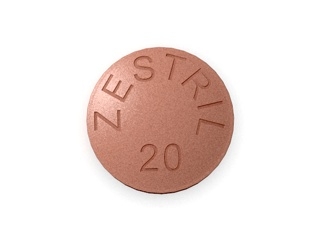

Zestril (Lisinopril) – Patient Information (Australia)
Zestril contains lisinopril, a medicine from the group known as ACE inhibitors (angiotensin-converting enzyme inhibitors). It is commonly used to treat high blood pressure and several heart and kidney conditions.
This guide is designed to help you understand how Zestril works, what it’s used for, how to take it safely, and what to watch for. It also includes information relevant to Australia, including availability and recent general guidance themes.
Basic product information
- Medicine name: Zestril
- Active ingredient: Lisinopril
- Medicine type: ACE inhibitor
- Common strengths: Available in tablet strengths such as 2.5 mg, 5 mg, 10 mg, 20 mg (brand availability may vary)
- How it’s supplied: Oral tablets
- Therapeutic uses: Hypertension, heart failure, post–heart attack care (depending on clinical circumstances), and kidney protection in certain patients
Important: The exact dose you should take depends on your condition, kidney function, blood pressure, and other medicines you use.
How Zestril works (mechanism of action)
Lisinopril helps your body make fewer angiotensin II effects. Angiotensin II is a chemical that narrows blood vessels and increases blood pressure. ACE inhibitors like lisinopril also reduce the breakdown of bradykinin, which contributes to blood vessel relaxation.
Overall, Zestril:
- Relaxes and widens blood vessels, lowering blood pressure
- Reduces the workload on the heart
- Helps improve blood flow and can reduce harmful stress on the heart muscle
- May slow progression of kidney disease in selected patients, particularly when protein is present in urine and diabetes is involved
In heart failure, these effects can improve symptoms and reduce hospitalisation risk for some people. In certain patients after a heart attack, it may support long-term cardiovascular outcomes.
Pharmacokinetics (how the body processes lisinopril)
Pharmacokinetics describes how the medicine is absorbed, distributed, metabolised, and eliminated.
- Absorption: Lisinopril is absorbed after oral dosing. Peak blood levels typically occur within several hours (commonly around 6–7 hours, though individual timing varies).
- Bioavailability: Oral bioavailability is moderate; it can vary among individuals.
- Metabolism: Lisinopril is not extensively metabolised in the liver. It is mainly excreted as unchanged drug.
- Excretion: Primarily cleared through the kidneys. Reduced kidney function can increase medicine levels and raise the risk of side effects.
- Half-life: The elimination half-life is about 12 hours (can be longer with kidney impairment).
- Duration of action: Effects last long enough for once-daily dosing for many patients, but your doctor may adjust timing and dose.
Clinical implication: Kidney function testing (including creatinine and potassium) is important before starting and during therapy.
Typical uses (indications)
Zestril is used for several conditions. Your exact suitability depends on diagnosis, symptoms, and lab results.
- Hypertension (high blood pressure): To lower blood pressure and reduce risk of cardiovascular events.
- Heart failure: Particularly in symptomatic patients, often as part of a combination regimen.
- After a heart attack (myocardial infarction): In some patients, to improve outcomes and support heart function.
- Kidney protection in selected patients: Often in people with diabetes and protein in the urine, to slow progression of kidney disease. (Eligibility varies and depends on test results and clinical factors.)
Note: Not every condition listed above applies to every patient. Your clinician determines the best option based on your health profile.
When to take Zestril (timing)
Zestril is usually taken . Many people choose a consistent time each day, such as morning. However, the ideal timing can depend on blood pressure patterns and how you feel after the first doses.
Practical timing tips:
- Take at the same time each day to maintain steady levels.
- First dose may cause dizziness (especially if you are dehydrated or on diuretics). Consider taking it when you can rest and monitor how you feel.
- If you miss a dose, take it when you remember unless it’s close to the time for your next dose. Do not double.
Food interactions
Food generally does not significantly affect lisinopril absorption. This means Zestril can usually be taken with or without food.
Simple approach: Choose a routine that helps you remember—whether it’s with breakfast or later in the day.
Alcohol interactions and safety
Drinking alcohol may increase the blood-pressure-lowering effect of Zestril. This can lead to:
- Dizziness or light-headedness
- Fainting in more sensitive people
- Greater risk when starting or after dose increases
Safer use:
- Limit alcohol, especially around the start of treatment or after dose changes.
- If you notice dizziness when drinking, discuss it with your healthcare professional.
Medicine interactions (common and important examples)
Several medicines can interact with lisinopril—most notably those affecting kidney function, blood pressure, or potassium levels.
Always tell your clinician and pharmacist about all medicines you take**, including over-the-counter products and supplements.
1) Potassium and potassium-sparing medicines
Lisinopril can raise potassium. Combining it with certain medicines may increase the risk of hyperkalaemia (high potassium).
- Potassium supplements
- Potassium-containing salt substitutes
- Potassium-sparing diuretics such as spironolactone or eplerenone
- Trimethoprim (an antibiotic sometimes used for urinary infections)
2) Diuretics (“water tablets”)
Diuretics can lower blood pressure and reduce fluid volume. In some people, this can increase the risk of:
- Low blood pressure
- Kidney function changes
Your prescriber may adjust diuretic dose and monitor kidney function and electrolytes.
3) NSAIDs (pain and inflammation medicines)
Regular use of non-steroidal anti-inflammatory drugs (NSAIDs) such as ibuprofen or naproxen may reduce the blood-pressure effect and may affect kidney function when combined with ACE inhibitors.
Extra caution: If you need NSAIDs, use the lowest effective dose for the shortest time and discuss with your pharmacist or clinician—especially if you have kidney disease, are older, are dehydrated, or are on diuretics.
4) Other blood-pressure medicines
Combining Zestril with other blood-pressure lowering medicines can improve control, but it also raises the risk of low blood pressure, particularly at the start.
5) Lithium
Lisinopril may increase lithium levels in the body, leading to lithium toxicity risk. This combination requires monitoring if used together.
6) Diabetes medicines
ACE inhibitors can influence blood glucose slightly. People taking insulin or oral diabetes medicines may need monitoring for hypoglycaemia, especially when initiating therapy or changing dose.
Dosing (how Zestril is commonly prescribed)
Dosing varies by the condition being treated, age, kidney function, and blood pressure response.
Typical starting and maintenance ranges (examples):
- Hypertension: Starting doses are often low and increased gradually based on blood pressure response.
- Heart failure: Usually started at a low dose with careful monitoring.
- Post–heart attack care: Initiated after stabilisation, depending on individual risk factors and tolerance.
- Kidney protection (selected patients): Often based on existing kidney function and potassium level.
Important: Your prescriber will provide a specific dose schedule for your situation. Do not change it without medical advice.
Monitoring during dose changes
Because ACE inhibitors can affect kidney function and potassium, your healthcare professional may check:
- Serum creatinine (kidney function)
- Potassium
- Blood pressure and symptoms of dizziness
Monitoring is especially important after starting, after dose increases, and if you become unwell (e.g., vomiting or diarrhoea).
Safety profile and side effects
Most people tolerate Zestril well, but like all medicines it can cause side effects. Many side effects are dose-related and improve with time or adjustment.
Common side effects
- Dry cough (a classic ACE inhibitor effect)
- Dizziness, light-headedness (especially when standing up)
- Headache
- Fatigue
- Low blood pressure symptoms
Less common but important
- High potassium (hyperkalaemia): may not cause symptoms early; can be detected on blood tests
- Kidney function changes: monitored through blood tests
- Rash or changes in taste (varies by individual)
Seek urgent medical help if you experience
Some reactions can be serious.
- Signs of angioedema: swelling of the face, lips, tongue, throat, or difficulty breathing
- Severe dizziness, fainting, or symptoms of very low blood pressure
- Signs of serious kidney problems: very reduced urine output or severe illness symptoms
Emergency note: If you suspect angioedema or have difficulty breathing, seek emergency care immediately.
Practical use tips (getting the best results safely)
- Check your blood pressure regularly if advised. Keep a note of readings.
- Stay hydrated unless your clinician has told you to restrict fluids. Dehydration increases the risk of low blood pressure and kidney issues.
- Be cautious when standing up. Rise slowly from sitting or lying positions.
- Don’t stop suddenly. If you feel unwell or want to change therapy, contact your clinician for advice.
- Attend blood tests for kidney function and potassium—these are key safety checks.
- Consider “sick day” planning: If you have vomiting or diarrhoea, or cannot keep fluids down, ask your healthcare professional about temporarily holding certain medicines (including ACE inhibitors) and when to restart. This advice should be individualised.
How to handle missed doses
- If you remember soon after missing it, take the dose.
- If it’s close to the next dose, skip the missed dose.
- Do not take a double dose to make up for a missed one.
Alternative options to consider
If Zestril isn’t suitable, there may be other options depending on your condition. Common alternatives include:
- ARB (angiotensin receptor blockers): e.g., losartan, valsartan, irbesartan. These can be used for similar conditions; some people tolerate them better if an ACE inhibitor cough occurs.
- Other antihypertensive classes: calcium channel blockers (e.g., amlodipine), thiazide-like diuretics (e.g., indapamide), beta blockers (e.g., metoprolol), depending on your diagnosis.
- Heart failure–specific therapy: for some patients, additional medicines such as beta blockers and mineralocorticoid receptor antagonists may be part of guideline-based treatment plans.
Choosing an alternative depends on your blood pressure goals, kidney function, potassium levels, and the reason you’re taking Zestril.
Australia market and legal context (overview)
In Australia, medicines like Zestril are regulated under the national medicines framework, including requirements for appropriate supply and safety processes. In general:
- Prescription-only access applies to many cardiovascular medicines, depending on formulation and strength.
- Pharmacists may provide counselling about safe use, interactions, and monitoring.
- Supply is subject to Australian regulatory and pharmacy standards, including product identification, storage, and accurate dispensing.
If you are ordering online, ensure you are using a reputable Australian pharmacy service and that you receive appropriate patient information and guidance for your circumstances.
Recent guidance themes (what to pay attention to)
Guidance for ACE inhibitors in clinical practice commonly emphasises safe prescribing and monitoring. Key themes include:
- Baseline and follow-up blood tests: kidney function and potassium levels are assessed after initiation and with dose changes.
- Individualised dosing: starting at lower doses in older adults and those with reduced kidney function or dehydration risk.
- Awareness of cough and allergy risks: dry cough and rare angioedema require prompt action and may necessitate switching to another therapy.
- Interaction safety: extra caution with NSAIDs, potassium supplements, potassium-sparing agents, and certain antibiotics.
Your clinician may apply these principles based on your medical history and lab results.
Delivery and availability (online pharmacy)
Zestril (lisinopril) is widely used in Australia, and availability generally depends on the supply chain and the specific tablet strength. Delivery timeframes vary by location and dispensing logistics.
- Stock availability: may differ by strength (e.g., 2.5 mg, 5 mg, 10 mg, 20 mg).
- Packaging: tablets are supplied in manufacturer packaging as per pharmacy dispensing standards.
- Delivery options: common options include standard and express shipping where available.
- Tracking: many online pharmacy services provide tracking notifications.
Storage: Keep tablets in a cool, dry place, away from direct sunlight, and out of reach of children. Follow the storage instructions on the pack.
Table: At-a-glance information
| Category | What you should know |
|---|---|
| Medicine type | ACE inhibitor (lisinopril) |
| Common reasons for use | High blood pressure, heart failure, post–heart attack care (selected patients), kidney protection in selected cases |
| Typical dosing | Usually once daily; dose is individualised based on condition and kidney function |
| Food | Generally can be taken with or without food |
| Alcohol | May increase dizziness/low blood pressure—limit or avoid, especially when starting or adjusting dose |
| Key monitoring | Kidney function and potassium (blood tests), plus blood pressure checks |
| Common side effect | Dry cough |
| Seek urgent care | Swelling of face/lips/tongue or breathing difficulty (angioedema), severe fainting or severe symptoms |
FAQ (Frequently Asked Questions)
1) How long does Zestril take to work?
Many people notice blood pressure lowering within the first day or two, but full effect can take longer as the body adjusts. If you are using Zestril for conditions such as heart failure, improvements may be gradual and assessed over weeks. Follow your clinician’s plan and continue taking it regularly.
2) Will Zestril definitely cause a cough?
A dry, persistent cough can occur with ACE inhibitors, but not everyone experiences it. If you develop a cough that is persistent, talk to your pharmacist or clinician—switching to an ARB may be considered in some cases.
3) Can I take Zestril if I have kidney disease?
It may still be possible, but kidney function must be assessed before and during treatment. Doses often need adjustment, and potassium levels must be monitored closely.
4) What if my blood pressure gets too low?
If you feel dizzy, faint, or have symptoms of very low blood pressure, contact your healthcare professional. Your dose may need adjustment. Stand up slowly and avoid alcohol while you’re adjusting.
5) Is Zestril safe to take with pain relievers?
Some pain relievers (especially NSAIDs like ibuprofen and naproxen) can interact with ACE inhibitors and affect kidney function. If you need pain relief, discuss options with your pharmacist, particularly if you have kidney problems, are older, or take diuretics.
6) Are potassium supplements safe with Zestril?
Potassium supplements can increase potassium levels when combined with lisinopril. Do not start supplements or salt substitutes containing potassium without professional advice.
7) What should I do if I miss a dose?
Take it when you remember unless it’s close to the next scheduled dose. Do not double up. If you’re unsure, ask your pharmacist for advice.
8) Can I drink alcohol while taking Zestril?
Alcohol can increase dizziness and blood pressure lowering. If you choose to drink, keep it minimal and monitor how you feel—especially during the first weeks or after dose changes.
9) Who should avoid Zestril?
People with a history of angioedema related to ACE inhibitors, or those who have experienced severe allergic reactions to lisinopril or other ACE inhibitors, should not take it. If you have a history of angioedema, tell your clinician before starting. Also, discuss pregnancy-related risks and appropriate alternatives if pregnancy is possible.
10) How should Zestril be stored?
Store tablets at room temperature in a cool, dry place, away from direct sunlight and out of reach of children. Keep them in the original pack as directed.
When to contact a healthcare professional
Contact your pharmacist or clinician promptly if you experience:
- Persistent cough or worsening breathing symptoms
- Swelling of face, lips, tongue, or throat
- Severe dizziness, fainting, or symptoms of dehydration
- Symptoms that could suggest kidney issues (for example, markedly reduced urine output)
With correct dosing and appropriate monitoring, Zestril can be an effective option for blood pressure and cardiovascular and kidney-related conditions.