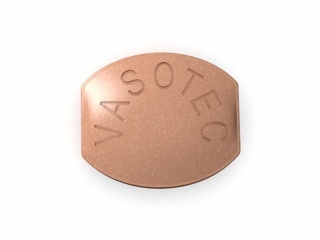


Vasotec (Enalapril) – Patient-Friendly Medicine Information (Australia)
Vasotec contains enalapril, an angiotensin-converting enzyme (ACE) inhibitor used to treat certain heart and blood pressure conditions. This guide explains how Vasotec works, how it is usually taken, what to watch for, and important safety information for people in Australia.
Always follow the instructions provided by your healthcare professional and the product information supplied with your medicine. Individual needs vary.
Basic product information
| Feature | Details |
|---|---|
| Generic name | Enalapril |
| Brand name | Vasotec |
| Medicine type | ACE inhibitor (heart/blood pressure medicine) |
| Main uses | High blood pressure; heart failure; and related cardiovascular indications |
| How it is taken | By mouth (tablets) |
| Common dosing approach | Often started low and increased gradually depending on response and blood tests |
| Key safety checks | Blood pressure, kidney function (creatinine), and potassium levels |
How Vasotec works (mechanism of action)
Enalapril helps relax blood vessels and reduce strain on the heart by blocking an important hormonal pathway:
- ACE inhibition: Enalapril inhibits the enzyme angiotensin-converting enzyme (ACE).
- Reduced angiotensin II: Lower angiotensin II leads to less vasoconstriction (narrowing of blood vessels).
- More bradykinin effects: ACE also breaks down bradykinin. Increased bradykinin can contribute to vasodilation (and, rarely, to cough or angioedema).
- Lower blood pressure and improved heart workload: This may improve symptoms and outcomes in people with heart failure and hypertension.
Pharmacokinetics – how the body processes enalapril
Understanding how the medicine moves through the body can help you appreciate why timing and dose adjustments matter. Individual results vary, and your doctor may tailor treatment based on kidney function and other medicines you take.
- Absorption: Enalapril is taken by mouth and absorbed from the gut. It is converted in the body to its active metabolite, enalaprilat.
- Onset of effect: Blood pressure effects typically begin within a few hours after a dose, with the full effect developing over days to weeks as treatment stabilises.
- Distribution: Enalapril/enalaprilat circulate in the bloodstream and act on the ACE system.
- Metabolism and excretion: Clearance is strongly influenced by kidney function. For some people, dose adjustments are needed when kidney function is reduced.
- Half-life: The duration of effect supports once or twice daily regimens depending on the indication and formulation; your clinician will advise what is suitable for you.
Typical use in Australia
Vasotec (enalapril) is commonly used for:
- Hypertension (high blood pressure): Helps lower blood pressure and reduce cardiovascular risk.
- Heart failure: Used to improve symptoms, reduce hospitalisations, and improve survival in appropriate patients.
- As part of cardiovascular care plans: Depending on your condition, clinicians may use enalapril alongside other therapies (for example, beta-blockers, diuretics, or other cardiovascular medicines).
The exact choice of medicine(s) depends on your diagnosis, severity, blood test results, and how you respond.
Indications (when Vasotec is used)
In clinical practice in Australia, enalapril is indicated for the following common scenarios:
- Essential hypertension (high blood pressure without a specific secondary cause)
- Renal and cardiovascular protection in selected patients, as determined by your healthcare team
- Chronic heart failure, including patients with reduced or impaired heart pumping function
Availability and specific indications can vary based on product registration and local prescribing guidance. If you are unsure why you have been prescribed enalapril, ask your healthcare professional.
How and when to take Vasotec
Timing and consistency
- Take your dose at the same time(s) each day to keep blood pressure steadier.
- Enalapril is often taken once or twice daily depending on your dose and condition. Follow your instructions exactly.
- If you miss a dose, take it when you remember unless it is close to the time for your next dose. Do not double up.
Food interactions and eating
Food generally does not substantially affect the effectiveness of enalapril for most people. You may take Vasotec with or without food.
- With food: Many people find it helps prevent stomach upset.
- Without food: Also acceptable if you tolerate it well.
If you notice consistent nausea, dizziness, or other side effects after taking it, talk to your pharmacist or doctor. They may suggest changing the timing or adjusting the dose.
Dosing – what is typical
Dosage must be individualised. The starting dose and titration (gradual increases) depend on:
- your condition (hypertension vs heart failure)
- blood pressure response
- kidney function (creatinine/eGFR)
- potassium levels
- whether you take diuretics or other blood pressure medicines
- age and overall health
General approach to dosing (overview)
- Start low: Many patients start with a lower dose to reduce the risk of early side effects like dizziness.
- Increase gradually: Your clinician may adjust the dose every 1–2 weeks (or at another suitable interval) until target blood pressure or symptom control is achieved.
- Maintenance dose: Once stable, you continue a dose that keeps your condition controlled.
Important practical points
- Do not change your dose without medical advice.
- Keep regular appointments for blood tests and blood pressure checks.
- If you have missed several doses, contact your healthcare professional for guidance rather than restarting on your own.
Alcohol and interactions with other medicines
Alcohol
Alcohol may increase the risk of dizziness or fainting by lowering blood pressure. If you drink alcohol, do so cautiously and consider limiting intake, especially when starting or adjusting your enalapril dose.
Common medicine interactions
Enalapril can interact with other medicines, particularly those affecting kidney function, potassium, or blood pressure. Always tell your pharmacist or doctor about all medicines you use, including over-the-counter products and supplements.
- Potassium supplements and potassium-containing salt substitutes: Can increase the risk of high potassium (hyperkalaemia).
- Diuretics (“water tablets”): Some can raise potassium; others may increase the likelihood of low blood pressure or kidney effects when started together. Your clinician may adjust dosing and monitor you closely.
- Non-steroidal anti-inflammatory drugs (NSAIDs) such as ibuprofen, naproxen, and diclofenac: Using NSAIDs regularly with ACE inhibitors may increase the risk of kidney problems, especially in older adults or those with dehydration.
- Other blood pressure medicines: Can have an additive blood-pressure lowering effect, which may increase dizziness or fainting.
- Medicines affecting kidney function: Conditions and medicines that reduce kidney blood flow can increase risk of kidney impairment when combined with enalapril.
- Diabetes medicines (including insulin): Enalapril may influence blood sugar control in some people. Monitor as advised.
Herbal products and supplements
Some herbal products can affect blood pressure or kidney function. Examples include certain “natural” potassium products or preparations aimed at blood pressure. Ask your pharmacist before starting supplements.
Food interactions
Most people can take Vasotec without concern for common foods. However, some dietary considerations are important:
- Salt substitutes (potassium salts): Avoid using without checking with your clinician, because they may raise potassium.
- Hydration: Staying adequately hydrated supports kidney function. Severe dehydration (for example, vomiting/diarrhoea) can increase risk of low blood pressure and kidney issues.
Safety profile – who should be cautious
Like all medicines, Vasotec can cause side effects. Many people tolerate it well, but it’s important to know what’s normal and what requires prompt attention.
Common side effects
- Dizziness or light-headedness (especially when starting or increasing the dose)
- Headache
- Fatigue
- Dry cough (a known ACE-inhibitor effect)
- Nausea or stomach discomfort in some people
Serious side effects (seek urgent help)
Get urgent medical assistance if you experience signs of a serious reaction:
- Angioedema: swelling of the face, lips, tongue, throat, or trouble breathing (rare but potentially life-threatening)
- Severe allergic reaction or widespread hives
- Fainting or severe dizziness (particularly if it doesn’t settle)
- Chest pain or severe shortness of breath
Key laboratory-related risks
- High potassium (hyperkalaemia): May cause muscle weakness, abnormal heart rhythm, or may be symptom-free and detected on blood tests.
- Kidney function changes: Can occur, especially in people with pre-existing kidney disease, dehydration, or certain interacting medicines.
- Low blood pressure: More likely when starting, during dehydration, or when combined with diuretics.
- Neutropenia/agranulocytosis (rare): Very uncommon, but seek advice if you develop fever, sore throat, or infections that seem unusual.
Who should be extra cautious
- People with kidney impairment (dose adjustments and close monitoring may be required)
- People with a history of angioedema
- People with narrow blood vessels to the kidneys (renal artery stenosis)
- People with dehydration or conditions causing fluid loss
- Older adults who may be more sensitive to blood pressure changes
Practical use tips (day-to-day)
- Check blood pressure if you’ve been advised to. Record readings to share with your clinician.
- Keep blood tests appointments. Monitoring kidney function and potassium is an important part of safe use.
- Rise slowly from sitting or lying down, especially early in treatment, to reduce dizziness.
- Manage illness days: If you develop vomiting or diarrhoea, contact your healthcare professional. Temporary dehydration can increase the risk of kidney issues and low blood pressure.
- Report a persistent cough: A dry cough can occur with ACE inhibitors. If it becomes troublesome, discuss alternatives.
- Maintain consistent fluid intake unless your clinician has restricted fluids.
Alternative options (if Vasotec isn’t suitable)
If enalapril isn’t tolerated or doesn’t provide adequate control, clinicians may consider other medicines. Options can include:
- Angiotensin receptor blockers (ARBs): e.g., losartan, valsartan, candesartan (often considered if ACE inhibitor cough occurs).
- Calcium channel blockers (for hypertension in selected patients)
- Thiazide or thiazide-like diuretics
- Beta-blockers (especially in heart failure plans, often in combination therapy)
- Other heart failure therapies depending on the specific condition and severity (your clinician will decide what fits your profile)
Do not switch medicines on your own. If you experience side effects, discuss options with your pharmacist or doctor.
Market and legal context in Australia (high-level)
In Australia, medicines containing enalapril (such as Vasotec) are supplied under the Australian regulatory framework and are subject to local scheduling and prescribing rules. Access can depend on your individual medical needs and the product’s classification.
For online pharmacy services, reputable suppliers follow Australian requirements for dispensing, patient safety checks, and identity/medication verification processes. Product availability, pack size, and brand naming can vary.
Always check the label and accompanying consumer medicine information (CMI) for your specific product.
Recent guidance and monitoring (general)
While detailed “updates” vary over time and by clinical organisation, ongoing best practice for ACE inhibitors typically includes:
- Baseline assessment before starting: blood pressure, kidney function, and potassium.
- Repeat blood tests after starting or dose changes, especially in higher-risk patients.
- Attention to high potassium risk when combined with potassium-elevating medicines or salt substitutes.
- Monitoring for cough and angioedema and providing alternatives when needed.
Your healthcare team may follow local or national recommendations relevant to hypertension and heart failure care.
Delivery and availability
Online pharmacies in Australia may offer home delivery of cardiovascular medicines, depending on:
- stock availability at the supplier
- the required documentation and patient verification steps
- dispensing times (some orders may take longer if stock must be sourced)
When placing an order, you can usually choose delivery options (standard or express) and track shipments if available. Packaging typically protects tablets from damage and provides clear labelling information.
If you have urgent time-sensitive needs (for example, running out of medicine), contact customer support before ordering so the pharmacy can advise on expected dispatch time.
FAQ
1) What is Vasotec (enalapril) used for?
Vasotec is an ACE inhibitor used to treat high blood pressure and heart failure (and related cardiovascular conditions as determined by your clinician).
2) How quickly will it work?
Blood pressure can start lowering within hours, but noticeable improvement and stabilisation often occur over days to weeks. For heart failure, symptom changes may also take time.
3) Can I take Vasotec with food?
Yes. Food usually does not significantly affect enalapril, so you can take it with or without food. If it upsets your stomach, taking it with meals may help.
4) Does alcohol affect Vasotec?
Alcohol can increase the risk of dizziness or low blood pressure. If you drink, keep it moderate and be extra careful when starting or adjusting your dose.
5) Why do I need blood tests while taking enalapril?
Because enalapril can affect kidney function and potassium levels. Monitoring helps ensure safety and allows timely dose adjustments.
6) What should I do if I miss a dose?
Take it as soon as you remember unless it’s close to the time of your next dose. Do not double the dose. If you’re unsure, ask your pharmacist.
7) Is the dry cough serious?
A dry, persistent cough is a known side effect of ACE inhibitors and is usually not dangerous, but it can be bothersome. Contact your healthcare professional if the cough is troublesome or persistent, as they may suggest switching to an alternative medicine.
8) Who should not take enalapril?
People with a history of angioedema related to ACE inhibitors and those with specific medical conditions may need to avoid it. Tell your clinician about your full medical history so the safest option can be chosen.
9) What are warning signs that I should get urgent help?
Seek urgent medical attention for swelling of the face, lips, tongue, or throat, trouble breathing, or symptoms suggesting a severe allergic reaction. Also seek urgent help for severe fainting, chest pain, or severe shortness of breath.
10) What alternatives exist if enalapril doesn’t suit me?
Alternatives depend on why you’re switching. Options can include ARBs (for example, losartan or valsartan), other blood pressure medicines, and different heart failure therapies based on your condition.
Disclaimer: This information is designed to help you understand Vasotec (enalapril) in general terms. It does not replace personalised medical advice. If you have questions about your specific dosing, side effects, or interactions, consult a healthcare professional or your pharmacist.