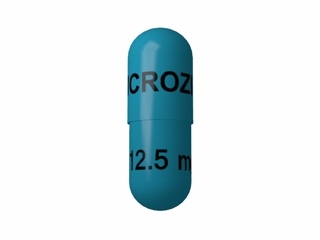
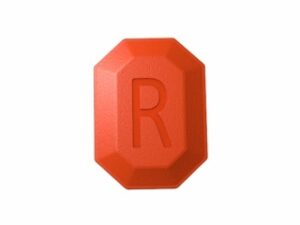
Microzide (Hydrochlorothiazide) – Patient Information (Australia)
Microzide is the brand name for hydrochlorothiazide—a medicine from the thiazide group of diuretics (“water tablets”). It helps your body remove excess salt and water through the kidneys. Many people use it to help control high blood pressure and, in some situations, to manage fluid retention (oedema).
This page explains how Microzide works, how it’s typically used, important safety considerations, and practical tips. If anything here doesn’t match your personal instructions, always follow the advice provided with your medicine or by your treating healthcare professional.
Quick facts
- Active ingredient: Hydrochlorothiazide
- Medicine class: Thiazide diuretic
- Main uses: High blood pressure; fluid retention due to certain conditions
- How it works: Reduces sodium reabsorption in the kidney → increases urine output
- Common dosing timing: Usually once in the morning to reduce night-time urination
- Key safety points: Can affect electrolytes (potassium, sodium, magnesium), blood sugar, uric acid, and sun sensitivity
Basic product information
Microzide contains hydrochlorothiazide. It is supplied in tablet form. The available strengths may vary by product and brand presentation; check the label or pharmacy documentation for the exact strength you have been given.
What to expect: Some effects on fluid balance may be noticed within hours, while blood pressure benefits typically build over days to weeks.
How Microzide works (mechanism of action)
Hydrochlorothiazide acts on the kidney’s distal convoluted tubule, where it blocks the sodium-chloride (NaCl) transport mechanism. This leads to:
- Less sodium reabsorbed into the bloodstream
- More water follows into the urine (increased urine volume)
- Gradual lowering of blood pressure over time through changes in fluid balance and vascular effects
Thiazide diuretics are commonly used long-term, often as part of a broader blood pressure treatment plan.
Pharmacokinetics (how the body handles the medicine)
Pharmacokinetics describes absorption, distribution, metabolism, and excretion.
- Absorption: Hydrochlorothiazide is absorbed from the gastrointestinal tract.
- Onset of effect: Diuretic effects usually begin within a few hours after a dose.
- Peak effect: Plasma levels typically reach a peak within several hours (individual variation occurs).
- Duration: Effects can last into the day; dosing schedules often aim to reduce night-time urination.
- Excretion: Hydrochlorothiazide is primarily eliminated through the kidneys, meaning kidney function influences effectiveness and safety.
Kidney function matters: If your kidney function is reduced, your healthcare professional may adjust the approach to diuretics or monitor you more closely.
What Microzide is used for
Hydrochlorothiazide may be used for:
- High blood pressure (hypertension): To lower blood pressure and reduce the risk of complications.
- Fluid retention (oedema): In certain medical conditions where extra fluid builds up.
- Sometimes in combination regimens: Often combined with other blood pressure medicines to improve control.
Your exact indication depends on your diagnosis, overall health, and other medicines you take.
Dosing – typical approach
Dosing varies by the reason you’re taking Microzide, your age, kidney function, and how you respond. Always use the dose stated on your packaging or as directed by your healthcare professional.
Typical dosing patterns
- High blood pressure: Frequently taken once daily, commonly in the morning.
- Fluid retention: May be taken once daily or in divided doses depending on the condition and response.
How to take your dose
- Take it at the same time each day if prescribed daily.
- Morning dosing is often recommended to reduce the need to urinate at night.
- Continue regularly unless told to stop—blood pressure control is usually long-term.
If you miss a dose
If you miss a dose, take it when you remember unless it is close to your next dose. Do not take a double dose to make up for the missed tablet. If you’re unsure, ask your pharmacist for guidance based on your dosing schedule.
Timing and daily routine tips
Because hydrochlorothiazide increases urine production, timing can make a big difference to comfort and sleep quality.
- Morning: Usually best (for example, after breakfast) to reduce night-time waking.
- Evening doses: If your prescriber recommends a different time, follow that advice; however, evening dosing may increase nocturia for some people.
- Hydration: Maintain normal fluid intake unless you have been instructed to restrict fluids for another condition.
- Plan ahead: If you’re going out, consider that you may need the bathroom more often earlier in the day.
Food interactions
Microzide’s effectiveness can be influenced by your overall diet and salt intake.
Salt (sodium) intake
- High salt intake can make blood pressure harder to control and can counter the fluid-reducing effect.
- Your healthcare professional may recommend reducing dietary salt as part of blood pressure management.
Mineral balance
- Hydrochlorothiazide can lower potassium and sodium in some people.
- A diet rich in potassium-containing foods may be helpful for some patients, but do not take supplements unless your healthcare professional advises it—especially if you also take medicines that raise potassium (see interactions below).
Take with or without food: Microzide can generally be taken with a meal or on an empty stomach; choose what suits you, and follow your specific instructions.
Alcohol and medicine interactions
Alcohol can affect blood pressure regulation and may increase the likelihood of dizziness, especially when starting or changing doses.
- Possible effect: Alcohol may lower blood pressure further and increase light-headedness.
- Recommendation: If you feel dizzy, stand up slowly and consider limiting alcohol. Seek medical advice if symptoms persist.
Hydrochlorothiazide-related dehydration can also be more noticeable with heavy alcohol intake, which may worsen low blood pressure or electrolyte changes.
Interactions with other medicines
It’s important to review all medicines and supplements with your healthcare professional or pharmacist. Below are common interaction categories with hydrochlorothiazide.
Medicines that can alter potassium levels
- Potassium-lowering risk: Corticosteroids, some laxatives, and other diuretic combinations may increase potassium loss.
- Potassium-raising risk: Some medications (for example, certain heart or blood pressure medicines like ACE inhibitors or ARBs, and potassium-sparing diuretics) can counterbalance potassium loss, but this still needs monitoring because potassium levels can become too high in some situations.
Blood sugar medicines
- Thiazides may raise blood glucose in some people, potentially affecting diabetes management.
Uric acid and gout medicines
- Hydrochlorothiazide can increase uric acid, which may trigger or worsen gout in susceptible individuals.
Non-steroidal anti-inflammatory drugs (NSAIDs)
- Regular or higher-dose NSAIDs (such as ibuprofen or naproxen) may reduce diuretic/blood pressure effects and can affect kidney function, particularly in people who are older or dehydrated.
Lithium
- Hydrochlorothiazide can reduce lithium clearance, potentially increasing lithium levels and toxicity risk. This combination usually requires careful monitoring.
Other blood pressure medicines
- Combining Microzide with other antihypertensives can increase blood pressure-lowering effects. This is often intentional, but dose adjustments and monitoring may be needed.
Tell your pharmacist: Provide a list of all prescription medicines, over-the-counter medicines, herbal products, and supplements. This helps identify interactions and decide on monitoring (such as blood tests for electrolytes and kidney function).
Safety profile and side effects
Most people tolerate Microzide well, but it affects the body’s fluid and electrolyte balance. Your healthcare professional may request periodic blood tests, especially after starting or increasing the dose.
Common side effects
- Increased urination (often strongest after the dose)
- Light-headedness or dizziness, especially when standing up
- Muscle cramps or weakness (may relate to electrolyte changes)
- Headache
- Fatigue
Electrolyte-related effects
Hydrochlorothiazide can cause changes such as:
- Low potassium (hypokalaemia): can lead to muscle cramps, weakness, or irregular heartbeats
- Low sodium (hyponatraemia): can cause confusion, severe weakness, or headache
- Low magnesium (hypomagnesaemia) in some patients
Other possible effects
- Higher uric acid (may trigger gout)
- Higher blood glucose (may affect diabetes control)
- Increased sensitivity to sunlight (photosensitivity) in some people
- Skin reactions (rare but important)
- Changes in kidney function, particularly if you become dehydrated
When to seek urgent help
Seek urgent medical attention or contact local emergency services if you experience signs of a serious reaction, such as:
- Severe dizziness or fainting
- Chest pain, severe palpitations, or shortness of breath
- Severe weakness, confusion, or seizures
- Signs of an allergic reaction: swelling of the face/lips, difficulty breathing, or widespread rash
- Severe dehydration (very dry mouth, inability to pass urine, extreme thirst)
Practical use tips
1) Be prepared for more bathroom visits
Plan your day around the initial diuretic effect. For many people, taking Microzide in the morning reduces disruption to sleep.
2) Watch for dehydration
- In hot weather, when exercising, or during illness, you may be more prone to dehydration.
- Maintain reasonable fluid intake unless you’ve been told otherwise.
3) Consider electrolyte monitoring
Your prescriber may arrange blood tests to check:
- Electrolytes (sodium, potassium, magnesium)
- Kidney function (creatinine/eGFR)
- Glucose and uric acid in some cases
4) Sun protection is a good idea
If you notice increased sensitivity to sunlight, use daily sunscreen, wear protective clothing, and avoid peak UV exposure.
5) Maintain a balanced diet
A consistent diet with adequate nutrients can help. Discuss potassium and sodium intake with your pharmacist or healthcare professional—especially if you have kidney disease or take other medicines affecting potassium.
Alternative options (if appropriate)
There are many treatment options for hypertension and fluid retention. Alternatives depend on your diagnosis, kidney function, other conditions, and medicine history.
Blood pressure alternatives
- Other diuretics (e.g., indapamide, chlorthalidone—where appropriate)
- ACE inhibitors (e.g., perindopril, enalapril)
- ARBs (e.g., losartan, valsartan)
- Calcium-channel blockers (e.g., amlodipine)
- Beta-blockers (in selected cases)
Fluid retention alternatives
- Other diuretics or combinations may be used depending on the cause of oedema.
Important: Do not switch medicines without guidance. If Microzide causes bothersome side effects or your blood tests show significant changes, your healthcare professional may adjust the dose, change the timing, add another medicine, or choose an alternative.
Recent guidance and monitoring (general clinical approach in Australia)
While individual recommendations vary by patient, Australian clinical practice commonly includes:
- Regular blood pressure monitoring (home and clinic measures)
- Baseline and follow-up blood tests for electrolytes and kidney function after starting or changing diuretic therapy, particularly in older adults or those with kidney disease
- Reviewing medicines for interactions (especially NSAIDs, lithium, and drugs affecting potassium)
- Assessing overall cardiovascular risk and lifestyle measures (salt reduction, exercise, maintaining a healthy weight, stopping smoking)
Your prescriber’s monitoring plan will depend on your health profile and the dose prescribed.
Market and legal context in Australia
In Australia, availability and supply of medicines are regulated. Microzide (hydrochlorothiazide) is subject to the usual pharmaceutical supply standards and may require appropriate pharmacy dispensing processes. Your pharmacy may request details to ensure safe use, including your current medicines, allergies, and medical history.
Always keep your medicine in its original packaging with the correct label. If you are unsure about your treatment or safety monitoring, ask your pharmacist.
Delivery and availability
Microzide is commonly available through Australian pharmacies. Online pharmacies may offer:
- Pharmacy-fulfilled delivery to eligible locations
- Tracked shipping and secure packaging
- Notifications when your order is dispatched
Availability can vary by strength and quantity. Delivery times depend on location and courier schedules. Always check the online pharmacy’s delivery information and expected dispatch times.
Frequently Asked Questions (FAQ)
1) Why is Microzide prescribed for blood pressure?
Microzide lowers blood pressure by helping your kidneys remove excess salt and water and by gradually affecting blood vessel function. This reduces the strain on your heart and helps reduce risk of stroke and heart disease.
2) How quickly will I notice results?
You may notice increased urination shortly after taking it. Blood pressure improvements typically take days to weeks to become fully apparent. Consistent daily use is important.
3) Should I take Microzide in the morning?
Often, yes. Taking it in the morning helps reduce disruption from needing to urinate at night. Follow the timing instructions provided to you.
4) Can I take Microzide with food?
It can usually be taken with or without food. If it upsets your stomach, taking it with a meal may help.
5) What foods should I avoid?
You generally don’t need to avoid specific foods, but it can help to limit high salt intake. If you’re at risk of low potassium or have kidney issues, ask your healthcare professional about dietary potassium and whether supplements are appropriate.
6) Will Microzide affect my potassium levels?
It can. Some people develop low potassium, especially at higher doses or with certain risk factors. Your doctor may monitor electrolytes and may recommend dietary changes or additional treatment if needed.
7) Is it safe to drink alcohol while taking Microzide?
Alcohol may increase the chance of dizziness or low blood pressure. If you choose to drink, do so cautiously and avoid heavy intake. If you feel unwell or light-headed, avoid alcohol and seek advice.
8) Can Microzide worsen gout?
Yes, it can increase uric acid and may trigger gout in susceptible individuals. Tell your pharmacist or prescriber if you have a history of gout or experience flare symptoms.
9) What if I’m diabetic?
Hydrochlorothiazide may raise blood glucose in some people. Monitor your blood sugar as advised and discuss any changes with your healthcare professional.
10) What should I do if I get dizzy?
Get up slowly from sitting or lying positions. If dizziness is frequent, severe, or accompanied by fainting, contact your healthcare professional promptly. It may be related to blood pressure changes, dehydration, or electrolyte imbalance.
11) Are there any signs I should watch for that suggest low sodium or potassium?
Possible warning signs include severe weakness, muscle cramps, confusion, unusual fatigue, severe headache, palpitations, or feeling faint. Seek urgent help if symptoms are severe.
12) Can I stop Microzide suddenly?
Do not stop your medicine without advice. Stopping can cause blood pressure to rise or fluid retention to return. If you have side effects, talk to your pharmacist or prescriber about the safest way to adjust therapy.
Summary
Microzide (hydrochlorothiazide) is a thiazide diuretic used in Australia to help manage high blood pressure and sometimes fluid retention. It works by increasing urine output and reducing salt reabsorption in the kidney. While many people tolerate it well, it can affect electrolytes, blood sugar, and uric acid, and it may increase sensitivity to sunlight. Taking it in the morning is often helpful, monitoring may be required, and staying mindful of dehydration and drug interactions can improve safety and comfort.
If you’d like, share your prescribed dose and timing (and any other medicines you take) and I can help you identify common interaction points and monitoring questions to ask your pharmacist.