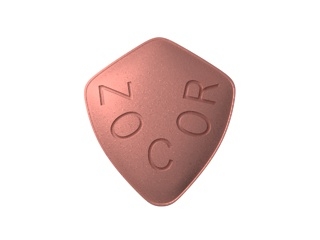

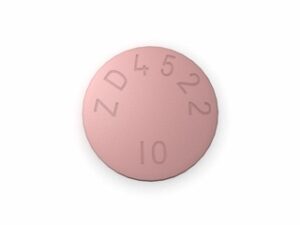
Zocor (Simvastatin) — Patient Information (Australia)
Zocor is a brand of simvastatin, a medicine used to help lower cholesterol and reduce cardiovascular risk. This page is designed to be patient-friendly and explain how simvastatin works, how to take it safely, and what to consider before and during treatment.
Important: Always follow the directions provided by your clinician and the product label. If anything is unclear, ask your doctor or pharmacist.
Basic product information
- Brand name: Zocor
- Generic name: Simvastatin
- Medicine type: Statin (HMG-CoA reductase inhibitor)
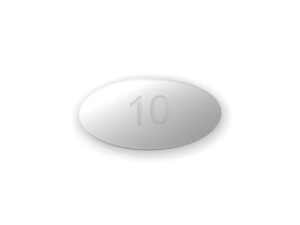
- Common strengths: Common tablet strengths include 5 mg, 10 mg, 20 mg, 40 mg and 80 mg (availability may vary by product)
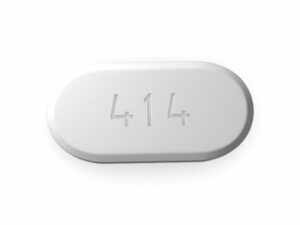
- How it’s supplied: Oral tablets
- Who it is for: People who need cholesterol lowering to support cardiovascular health
What simvastatin does (mechanism of action)
Simvastatin reduces cholesterol production in the liver. It works by inhibiting an enzyme called HMG‑CoA reductase, which is needed to make cholesterol. Lower cholesterol inside liver cells leads to an increase in LDL receptors, helping the liver remove LDL (“bad”) cholesterol from the bloodstream.
Statins may also help improve other blood lipid measures and stabilise atherosclerotic plaques, which can contribute to reduced cardiovascular events.
Pharmacokinetics (how the body handles simvastatin)
Understanding pharmacokinetics can help explain why timing matters. After you swallow a tablet, simvastatin is absorbed and then extensively metabolised in the liver. The medication is converted into active metabolites that contribute to cholesterol-lowering effects.
- Absorption: Oral absorption occurs, but bioavailability can vary between individuals.
- Metabolism: Primarily via the liver enzyme system, notably CYP3A4.
- Half-life (practical meaning): Effects can persist beyond the time the parent drug is cleared, but the clinical relevance of timing relates to the way cholesterol synthesis varies during the day.
- Elimination: Metabolites are eliminated mainly via the bile and faeces.
Typical uses in clinical practice
Simvastatin is used to reduce cholesterol levels and lower the risk of certain cardiovascular events. Your clinician may recommend it for:
- Raised LDL cholesterol (hypercholesterolaemia), including when diet alone is insufficient
- Mixed dyslipidaemia (elevated LDL and/or triglycerides with low HDL)
- Prevention of cardiovascular events in people at increased risk, even when cholesterol levels are not extremely high
- Atherosclerotic cardiovascular disease risk reduction (depending on your individual history and risk factors)
Indications (why it may be prescribed)
Indications can vary depending on local prescribing guidelines and product-specific instructions in Australia. In general, simvastatin is used for:
- Lowering total cholesterol and LDL cholesterol
- Lowering triglycerides and increasing HDL cholesterol to a degree
- Reducing the risk of major cardiovascular events in appropriate patients
Your prescriber will consider your lipid results, overall cardiovascular risk, other health conditions, and potential drug interactions before choosing a statin and dose.
How and when to take Zocor (timing)
Simvastatin is often taken in the evening. This is because cholesterol synthesis in the body tends to be higher during the night. Following this timing can help optimise the cholesterol-lowering effect.
- Typical timing: Take the dose in the evening, unless your clinician advises otherwise.
- With or without food: It may be taken with or without food. Consistency is helpful.
- Try to take it at the same time each day.
- If you miss a dose: Take it when you remember on the same day. If it is nearly time for the next dose, skip the missed dose. Do not take a double dose.
Food interactions: what to avoid
The most important food-related interaction with simvastatin is grapefruit. Grapefruit can increase simvastatin levels in the body, raising the risk of muscle-related side effects.
- Grapefruit and grapefruit juice: Avoid.
- Other citrus products: Check with your pharmacist if you use other products that may affect CYP3A4 activity.
- General diet: Statins work best alongside heart-healthy eating, weight management, exercise, and smoking cessation (if relevant).
Alcohol and medicine interactions
Alcohol
Alcohol can affect the liver, which is relevant because statins are processed in the liver and liver enzymes may be monitored. Heavy alcohol use may increase the risk of liver-related side effects.
- Moderation matters. Discuss your alcohol intake with your clinician.
- Avoid binge drinking and seek advice if you have a history of liver disease.
Medicine interactions (very important)
Simvastatin interacts with several medicines, particularly those that increase simvastatin concentrations. Some combinations can significantly raise the risk of myopathy (muscle injury) and in rare cases rhabdomyolysis.
Always provide your pharmacist and clinician with a complete list of medicines, including over-the-counter products and supplements. Do not start or stop medicines without advice.
Common interaction categories to discuss
- Strong CYP3A4 inhibitors (often raise statin levels):
- Some antifungals (e.g., ketoconazole, itraconazole)
- Some antibiotics (e.g., clarithromycin, erythromycin)
- Some antivirals (e.g., certain HIV treatments)
- Some medicines for certain conditions (exact choices vary)
- Other lipid-lowering medicines that can increase muscle risk when combined (depending on dose and product):
- Fibrates (e.g., gemfibrozil, fenofibrate)
- Niacin (vitamin B3) in prescription forms
- Drugs affecting muscle safety:
- Some immune-related medicines
- Some drugs that alter statin transport/metabolism
- Anticoagulants (e.g., warfarin):
- Simvastatin can affect blood thinning effects in some cases; monitoring may be needed.
- Cyclosporine and certain other transplant/immune medicines:
- These can significantly increase statin levels.
- Amiodarone (for heart rhythm issues) and similar medicines:
- May increase the risk of muscle injury, particularly at higher statin doses.
Because interactions depend on dose and the exact medicine, your pharmacist is the best person to check your specific medicines and safety.
Dosing: typical starting and maintenance
Your dose depends on why you’re taking simvastatin, your cholesterol level goals, your risk profile, and potential interaction risk. A prescriber will determine the dose and may adjust it over time based on blood test results.
General dosing principles
- Starting dose: Often 10 mg or 20 mg daily, depending on individual factors.
- Maintenance dose: Commonly 20 mg to 40 mg daily; some patients may be on higher doses under careful circumstances.
- Dose adjustments: Usually made by your clinician after reviewing lipid results.
- Evening dosing: Frequently used for better efficacy.
Note: Higher doses can be associated with increased risk of muscle side effects, especially when interacting medicines are present. Follow your dose exactly as directed.
What to expect: monitoring and timing of blood tests
Many people have lipid tests before starting and periodically after. Liver enzyme tests may also be checked at baseline and if clinically needed.
- Cholesterol response: Often assessed within a few weeks after starting or changing dose.
- Liver tests: Typically done before therapy and again if symptoms suggest liver issues (your clinician decides timing).
- Muscle safety: If you develop muscle pain, weakness or dark urine, contact your clinician promptly.
Safety profile (common and serious side effects)
Most people tolerate simvastatin well. Like all medicines, it can cause side effects in some individuals. It is important to know what to watch for and when to seek help.
Common side effects
- Headache
- Abdominal discomfort, nausea
- Constipation or diarrhoea
- Minor elevations in liver enzymes on blood tests
Serious side effects — seek medical advice urgently
- Muscle injury (myopathy/rhabdomyolysis): watch for muscle pain, tenderness, weakness, cramps, or unusually dark/cola-coloured urine. This is rare but can be serious.
- Allergic reactions: swelling of the face/lips, rash, difficulty breathing.
- Liver problems: yellowing of the skin or eyes (jaundice), severe fatigue, persistent nausea/vomiting, unusual dark urine.
- Severe persistent symptoms that concern you.
Practical use tips for best results
- Keep a routine: Take it at the same time each evening (unless your clinician advises otherwise).
- Be consistent with food: Avoid grapefruit and keep your diet pattern stable.
- Use reminders: Pill boxes, phone reminders, or linking with a nightly routine can help adherence.
- Don’t stop suddenly: If you experience side effects, contact your pharmacist or clinician before stopping.
- Know your interaction checklist: Always tell healthcare providers you take simvastatin before new medicines are started.
- Report muscle symptoms quickly: Early reporting helps prevent serious complications.
- Support heart health beyond medication: aim for a heart-healthy diet, regular physical activity (as advised), healthy weight, and smoking cessation.
Who should take extra care (risk factors)
Some people have a higher risk of muscle-related side effects or liver enzyme changes. Extra caution may be needed if you:
- Are aged 65 years or older
- Have kidney impairment
- Have thyroid problems that are not well controlled
- Have a history of statin-associated muscle symptoms
- Take medicines that interact with simvastatin (especially CYP3A4 inhibitors)
- Consume heavy alcohol or have liver disease
Alternative options (other medicines and approaches)
If simvastatin isn’t suitable due to side effects or interactions, there may be other ways to reach your cholesterol goals. Options can include:
- Other statins (different medicines in the same class) such as atorvastatin, rosuvastatin, or pravastatin
- Non-statin lipid-lowering medicines depending on your needs, including:
- Ezetimibe
- PCSK9 inhibitors (for certain high-risk patients)
- Bempedoic acid (in selected cases, depending on local guidance)
- Fibrates (particularly if triglycerides are high—chosen carefully due to interaction considerations)
- Omega-3 fatty acids (for triglycerides; products and indications vary)
- Lifestyle changes: Mediterranean-style eating, reduced saturated fats, soluble fibre, weight management, and exercise
The “best alternative” depends on your diagnosis, your lipid targets, and your medication profile. Talk to your clinician about what fits your situation.
Market and legal context for Australia (availability and oversight)
In Australia, statin medicines such as simvastatin are regulated by the Australian regulatory and medicines safety framework. Product availability may vary across brands and strengths, and changes can occur over time based on prescribing guidance and safety reviews.
When shopping online, choose reputable providers and always verify:
- The exact product name and strength
- The dosage form (tablet)
- Expiry date and storage conditions
- That the medicine is sourced through appropriate supply channels
Recent guidance and safety updates (what to know)
Healthcare guidance evolves as evidence changes and safety signals are reviewed. Key areas that clinicians commonly consider with simvastatin include:
- Muscle safety: recognising risk factors and limiting interacting combinations
- Dose considerations: being cautious with higher doses in the presence of interacting medicines
- Drug interaction checks: especially with CYP3A4 inhibitors and other muscle-risk drugs
- Liver monitoring: testing when clinically indicated and reviewing symptoms of liver injury
Your pharmacist can help ensure your current medication list is compatible with simvastatin and identify any updates that may affect your situation.
Delivery, availability, and how to receive your medicine
Online pharmacy services in Australia often provide delivery to metro and regional areas. Availability depends on stock levels, the specific brand/strength, and supply timing.
Before you place an order
- Confirm the strength (e.g., 20 mg vs 40 mg)
- Check the pack size and dosing instructions
- Confirm the expiry date on the item received
- Store tablets in a cool, dry place away from direct sunlight, as directed on the pack
Delivery expectations
- Orders are typically processed promptly, with delivery times varying by location.
- Track your shipment if the service provides tracking.
- If you receive damaged packaging or suspect product issues, contact the pharmacy promptly.
Frequently Asked Questions (FAQ)
1) What is Zocor (simvastatin) used for?
Zocor (simvastatin) is used to lower cholesterol levels (including LDL “bad” cholesterol) and to reduce the risk of cardiovascular events in suitable patients. It is commonly used when diet and other measures aren’t enough to reach cholesterol goals.
2) How do I take simvastatin?
Many people take it once daily in the evening. Swallow the tablet with water. Take it consistently at the same time each day unless your clinician advises otherwise. Avoid grapefruit products.
3) What should I do if I miss a dose?
Take it when you remember on the same day. If it’s close to your next dose, skip the missed dose. Do not take a double dose. If you’re unsure, ask your pharmacist.
4) Can I take simvastatin with food?
Simvastatin can usually be taken with or without food. Choose a routine you can maintain. Grapefruit should be avoided regardless of food timing.
5) Is grapefruit juice safe with simvastatin?
Generally, it is recommended to avoid grapefruit and grapefruit juice because it can increase simvastatin levels and raise the risk of muscle side effects.
6) What medicines commonly interact with simvastatin?
Interactions often involve medicines that affect CYP3A4 or that increase muscle risk. Examples include some antifungal medicines, some antibiotics (such as clarithromycin/erythromycin), certain HIV medicines, cyclosporine, and some medicines used for rhythm problems or lipid disorders. Always confirm your specific regimen with a pharmacist.
7) Can I drink alcohol while taking simvastatin?
Moderate alcohol intake is often acceptable, but heavy or frequent alcohol use may increase liver risk. If you have liver disease or drink heavily, discuss your situation with your clinician.
8) What side effects should I watch for?
Seek urgent medical advice if you develop unexplained muscle pain/weakness (especially with dark urine), signs of allergic reaction, or symptoms suggesting liver problems such as yellowing of the skin/eyes. Report persistent or concerning symptoms to your clinician promptly.
9) How long does it take to work?
Cholesterol-lowering effects typically begin within days, with measurable changes often assessed within a few weeks. Your clinician may repeat blood tests after starting or changing dose.
10) Are there alternatives if I can’t tolerate simvastatin?
Yes. Options may include a different statin or a non-statin medicine, depending on your lipid profile, risk level, and any side effects or interactions. Lifestyle strategies are also important for overall cardiovascular health.
Summary at a glance
| Topic | Key points |
|---|---|
| What it is | Simvastatin (Zocor) — a statin tablet used to lower cholesterol and reduce cardiovascular risk. |
| How it works | Inhibits HMG‑CoA reductase → lowers cholesterol production and increases LDL clearance. |
| Timing | Often taken once daily in the evening for better effect. |
| Food interactions | Avoid grapefruit/grapefruit juice. |
| Major interactions | Some medicines can increase simvastatin levels (notably CYP3A4 inhibitors) and raise muscle risk. |
| Safety watch-outs | Seek help for muscle pain/weakness (especially with dark urine), allergic reactions, or liver symptoms. |
| Monitoring | Cholesterol tests and possibly liver tests as advised; report symptoms promptly. |
Need help choosing or checking safety? If you have questions about your dose, timing, or possible interactions, speak with your pharmacist and provide your full list of medicines and supplements.