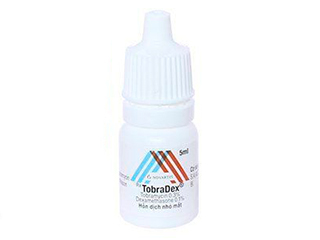
Tobradex (Obramycin/Dexamethasone) Eye Ointment & Eye Drops
Tobradex is a combination medicine used in the eyes that contains:
- Obramycin (an antibiotic)
- Dexamethasone (a corticosteroid to reduce inflammation)
This page explains how Tobradex works, when it’s typically used, how to use it safely, and what to consider with other medicines, food, and lifestyle. It is designed to be patient-friendly and helpful for people in Australia.
Key information at a glance
- Medicines in one: Antibiotic + anti-inflammatory steroid
- Common forms: Eye drops and/or eye ointment (product form varies by brand pack)
- Used for: Certain eye conditions where infection and inflammation occur together
- Important safety note: Steroids can worsen some eye infections and may increase eye pressure in susceptible people
Basic product information
| Item | Details |
|---|---|
| Brand name | Tobradex |
| Active ingredients | Obramycin (antibiotic) + Dexamethasone (corticosteroid) |
| Therapeutic use | Eye infection with inflammation |
| Route of administration | Topical use in the eye (eye drops/ointment) |
| Typical dosing frequency | Depends on condition and severity (often multiple times daily at start) |
How Tobradex works (mechanism of action)
Tobradex combines two medicines with complementary actions:
-
Obramycin (antibiotic):
Obramycin is an aminoglycoside antibiotic. It works by interfering with bacterial protein synthesis, which helps stop the bacteria from growing. It is most effective against susceptible bacteria.
-
Dexamethasone (corticosteroid):
Dexamethasone reduces inflammation by dampening inflammatory pathways. This can help relieve swelling, redness, itching or discomfort, and other inflammatory signs in the eye.
Why the combination matters: Many eye problems involve both infection and inflammation. The antibiotic targets the bacteria, while the steroid helps control inflammation that can damage tissues and prolong symptoms.
Pharmacokinetics (how the body handles it)
Because Tobradex is used in the eye, systemic absorption is generally low compared with oral medicines. The key points below explain what happens after applying eye drops or ointment.
-
Absorption:
Some medicine can pass through the eye surface and into surrounding tissues. Small amounts may reach the bloodstream, but usually at low levels.
-
Distribution:
Local distribution to the conjunctiva (the clear membrane covering the eye) and anterior eye structures is the primary goal.
-
Metabolism and elimination:
Dexamethasone is metabolised in the body; clearance is mainly through metabolic pathways and elimination via normal routes. The extent of systemic exposure from topical eye use is typically limited.
Practical takeaway: Although systemic effects are less common, steroid-related risks (such as increased eye pressure) can still occur because the medicine acts locally in the eye.
Typical uses (indications)
Tobradex is used for eye conditions where bacterial infection and inflammation are present, or where an inflammatory response may occur alongside infection.
Common examples include:
- Infective conjunctivitis with significant inflammation (as assessed by a clinician)
- Blepharitis or other anterior eye infections where steroid treatment is considered appropriate
- Post-operative eye inflammation when there is a need to control inflammation and a bacterial component is a concern (only as advised for the specific surgery and patient)
Not for all eye infections: Tobradex is not suitable for every cause of red or painful eye. For example, viral eye infections (such as herpes simplex) and certain fungal infections may worsen with steroid use. A clinician should assess symptoms if you are unsure.
Timing and how to use Tobradex correctly
Correct timing and technique help the medicine reach the affected area and reduce side effects.
When to use it
Your dosing schedule depends on your eye condition, severity, and whether you’re using drops or ointment. In many cases, treatment starts more frequently and then may be reduced as symptoms improve.
Typical approach (general guidance)
- At the start: Often used multiple times per day (for example, every 4–6 hours) depending on the indication.
- As symptoms settle: The frequency may be reduced according to clinical review.
- Follow your specific plan: Always use the dosing instructions provided with your product or by your healthcare professional.
How to apply eye drops
- Wash your hands thoroughly.
- Shake the bottle if the product label indicates shaking is needed.
- Use clean tissue to gently wipe any discharge from the eyelids/eye surface.
- Look up, pull down the lower eyelid to create a small “pocket”.
- Instil the prescribed number of drops into the pocket without touching the tip to the eye.
- Close the eye gently and keep it closed for about 1 minute if possible.
- Press lightly at the inner corner of the eye (near the nose) for about 1 minute to reduce drainage into the tear duct and improve local effect.
- Wipe away excess liquid from the eyelid with a clean tissue.
- Wash your hands again.
How to apply eye ointment
- Wash hands.
- Pull down the lower eyelid to create a pocket.
- Apply a small ribbon of ointment into the pocket.
- Close the eye gently.
- Keep the eye closed briefly and avoid blinking repeatedly.
- Apply at times advised by your clinician—ointment may blur vision temporarily.
- Wash hands again.
Tip: If you use both drops and ointment, ointment is often applied last because it stays on the eye longer.
Dose and administration (what’s usually considered)
Because dosing depends on the condition, below is a patient-friendly overview of how dosing is commonly structured. Always follow the specific directions that come with your medicine or your clinician’s plan.
-
Conjunctivitis or mild–moderate anterior inflammation:
Dosing is often started several times daily and then reduced after improvement.
-
More severe infection/inflammation:
A more frequent starting schedule may be used, with close review to ensure it’s working and not causing complications.
-
Ointment vs drops:
Ointment may be used at different times (commonly at night) because it can blur vision.
If you miss a dose: Use it as soon as you remember. If it’s almost time for the next dose, skip the missed dose and continue your routine. Do not use a double dose.
Food interactions
Because Tobradex is used in the eye, food interactions are unlikely to be a concern compared with oral medicines.
General advice: Maintain normal eating habits. If you have another condition that affects medication choices, discuss it with a pharmacist or doctor.
Alcohol and medicine interactions
Alcohol
There is usually no direct interaction between alcohol and Tobradex when used as directed in the eye. Systemic absorption is typically limited.
However, avoid alcohol if it worsens symptoms such as dehydration or if you experience dizziness from other medications you’re taking.
Interactions with other medicines (important)
Eye drops/ointments can interact mainly through how they’re used together, and through the steroid component. Consider the following:
-
Other eye medications:
Use a spacing method: wait at least 5–10 minutes between different eye drops/solutions. Ointment is usually applied last.
-
Medicines affecting intraocular pressure:
Some people may respond to corticosteroids with increased eye pressure. Inform a clinician if you take other medicines that affect the eye or if you have glaucoma/ocular hypertension.
-
Infectious eye conditions:
Steroids can mask symptoms and may worsen certain infections. Avoid using Tobradex for undiagnosed red/painful eyes and seek advice if symptoms are severe or not improving.
-
Contact lens solutions:
Do not use Tobradex with contact lenses in place unless advised otherwise. Many recommend removing lenses during treatment.
Tell your pharmacist about all medicines you use, including eye drops, gels, ointments, and tablets/supplements.
Safety profile and key precautions
Like all medicines, Tobradex can cause side effects. Because it contains a steroid, monitoring and safe use are especially important.
Common side effects
- Temporary stinging or burning after application
- Redness or irritation
- Watery eyes or discomfort
- Blurred vision (more likely with ointment)
- Eye discharge may change during treatment
Less common but important risks
-
Increased intraocular pressure (IOP):
Steroids can raise eye pressure in some people, especially with longer use. This may lead to glaucoma if untreated.
-
Cataract risk:
Long-term steroid use can contribute to cataract development.
-
Delayed healing:
Steroids may slow healing of certain tissues.
-
Worsening or masking of infection:
Because dexamethasone reduces inflammation, symptoms may improve temporarily while an infection continues, or a different infection may become more prominent.
-
Allergic reactions:
Rarely, people may develop swelling, itching, or rash of eyelids/skin.
When to seek urgent advice
Contact a healthcare professional promptly or seek urgent care if you experience:
- Severe eye pain
- Vision changes (blur that doesn’t clear, halos, marked light sensitivity)
- Worsening redness or swelling after starting
- Marked discharge or inability to open the eye
- Symptoms not improving after a few days (or earlier if worsening)
- Signs of allergy (swelling of eyelids, hives, breathing difficulty)
Practical use tips for best results
-
Stop touching the nozzle/tube tip to your eye:
To reduce contamination, avoid contact between the container tip and the eye surface or eyelashes.
-
Use good hygiene:
Wash hands before and after application. Don’t share towels or eye makeup.
-
Contact lenses:
Remove contact lenses before using Tobradex unless your prescriber/pharmacist advised otherwise. Reinsert only when treatment is finished or as advised.
-
Avoid driving if vision is blurred:
Ointment can blur vision. Wait until vision clears.
-
Finish the course as advised:
Do not stop early if you feel better—especially with infection—unless told to do so. Equally, avoid using the steroid component longer than advised.
-
Watch for steroid-specific concerns:
If you need prolonged treatment, ask about eye pressure checks and follow-up review.
Alternative options
Depending on the diagnosis, alternative treatments may include:
- Antibiotic-only eye drops or ointments (if inflammation is not primarily steroid-related)
- Anti-inflammatory drops without antibiotic (for non-infectious inflammation)
- Artificial tears and supportive care (for mild irritation or dry eye symptoms)
- Antiviral or antifungal therapy (if the cause is viral or fungal—steroid use may be inappropriate)
Choosing an alternative depends on the cause. Red eye can have many causes, and the “right” medicine differs based on signs and risk factors. If symptoms are severe, recurrent, or not typical, get a prompt assessment.
Market and legal context in Australia
In Australia, medicines are regulated under the Therapeutic Goods Administration (TGA) framework. Products may be supplied as prescription medicines and/or with specific scheduling rules depending on strength and intended use.
Important points for Australian customers:
- Supply standards: Online pharmacies must meet Australian regulatory requirements for safe supply and identity verification where applicable.
- Packaging and instructions: Approved product packs include consumer medicine information and dosing guidance that should be followed.
- Safety monitoring: Because Tobradex contains a corticosteroid, it is intended for appropriate conditions and should be used under suitable clinical guidance.
Note: Availability can vary by pack size and formulation (drops vs ointment). Your local pharmacy can confirm the exact product options.
Recent guidance and clinical considerations (general)
While advice evolves over time, the following themes are consistent in modern ophthalmic practice:
- Avoid unnecessary steroid use: Steroids should not be used for undiagnosed red eye or for conditions where infection type is uncertain.
- Reassess if not improving: If symptoms do not improve quickly, reassessment is recommended to confirm the diagnosis and adjust treatment.
- Monitor when use is prolonged: Increased intraocular pressure and cataract risk are relevant with longer or repeated steroid exposure.
- Antibiotic stewardship: Antibiotics should be used only when bacterial infection is suspected/confirmed to reduce resistance risk.
If you’re using Tobradex repeatedly for similar symptoms, discuss the cause with a healthcare professional to ensure the treatment matches the diagnosis.
Delivery and availability (Australia)
Online pharmacies in Australia may deliver Tobradex to eligible customers based on product availability and regulatory requirements. Delivery options can differ by supplier and location (metro vs regional areas).
- Check availability: Tobradex may be available in both drops and ointment, but stock can vary.
- Packaging protection: Eye medicines are generally shipped with protective packaging to reduce damage and contamination risk.
- Storage: Store according to the label (commonly at controlled room temperature; keep out of direct sunlight and follow “use by” instructions).
- Do not use expired products: Expired medicines may be less effective and may increase contamination risk.
If you need a specific form (drops vs ointment) or strength, check the product page or ask customer support before ordering.
Frequently asked questions (FAQ)
1) What is Tobradex used for?
Tobradex is used for certain eye conditions where bacterial infection and inflammation are present together or where the clinician judges a steroid plus antibiotic combination is appropriate.
2) How long should I use Tobradex?
Treatment duration depends on the condition and response. Because it contains a steroid, it’s important not to use it longer than advised. If symptoms don’t improve quickly, seek review rather than extending treatment on your own.
3) Can I wear contact lenses while using Tobradex?
Most guidance advises removing contact lenses during eye treatment unless your clinician specifically advises otherwise. Lenses can trap medication and may worsen irritation or infection. Ask if you need tailored advice for your lens type.
4) Will Tobradex treat all causes of red eye?
No. Red eye can be caused by allergies, viruses, dryness, injury, or bacteria. Tobradex targets bacterial infection and inflammation; steroids may worsen some viral or fungal conditions. If you’re unsure, get assessed.
5) What should I do if it stings when I apply it?
Temporary stinging or burning can occur. It usually settles quickly. If pain is significant, you have worsening redness, or vision changes, stop and seek advice urgently.
6) Can I use Tobradex with other eye drops?
Yes, but separate different drops by at least 5–10 minutes unless your pharmacist/doctor instructs otherwise. Ointment is generally applied last.
7) Are there food or alcohol interactions?
Food interactions are unlikely because the medicine is applied to the eye. There’s usually no direct alcohol interaction, but it’s still sensible to avoid alcohol if it affects your comfort, hydration, or other medications you may be taking.
8) What are the most serious side effects?
The most important steroid-related risks include increased eye pressure, worsening or masking infection, and delayed healing. Seek urgent advice for severe pain, vision changes, or rapid worsening.
9) What if I forget a dose?
Use it as soon as you remember, unless it’s nearly time for the next dose. Don’t double up.
10) Is Tobradex available in both drops and ointment?
Availability may vary by supplier and pack. Some markets stock both formulations; others may have one form more readily. If you need a specific type, check the product listing.
Summary
Tobradex combines Obramycin (antibiotic) and Dexamethasone (steroid) to treat appropriate eye conditions where bacterial infection and inflammation are both present. It works locally in the eye, and while systemic absorption is generally low, steroid-related risks such as raised eye pressure can occur. For best results, apply correctly, maintain hygiene, and seek prompt review if symptoms worsen or fail to improve.
If you have questions about whether Tobradex is suitable for your symptoms, a pharmacist or healthcare professional can help guide the safest option for your specific eye condition.