Prilosec (Omeprazole) – Medicines to Help Reduce Stomach Acid
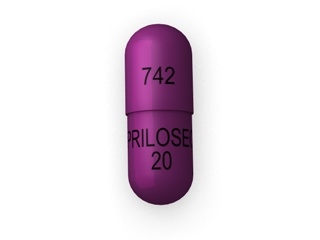
Prilosec contains omeprazole, a medicine from the proton pump inhibitor (PPI) family. It reduces the amount of acid your stomach produces. By lowering stomach acid, Prilosec can help relieve symptoms related to acid reflux and other acid-related conditions.
This guide is written for customers in Australia and explains how Prilosec works, when it’s used, how to take it, important safety information, and what to watch for.
Basic product information
| Product name | Active ingredient | Medicine type | How it works |
|---|---|---|---|
| Prilosec | Omeprazole | Proton pump inhibitor (PPI) | Reduces gastric acid production by blocking the proton pump |
| Common strengths (examples) | 20 mg and 40 mg | Oral capsules / enteric-coated formulations (varies by product) | Long-acting acid suppression |
Note: Product strengths and formulations (e.g., capsules, delayed-release tablets) may vary by brand and local availability. Always check the pack you receive and follow the dosing instructions on the label or from your healthcare professional.
How Prilosec works (mechanism of action)
Omeprazole works by targeting the proton pump (H⁺/K⁺-ATPase) in the stomach lining. This pump is responsible for the final step of acid production.
Prilosec blocks these pumps, which leads to a reduction in stomach acid. Because the medicine acts on pumps active during dosing, it’s typically taken shortly before meals to achieve the best effect.
- Reduces acid secretion from the stomach.
- Helps healing of inflamed stomach/oesophagus lining in acid-related conditions.
- Improves symptoms such as heartburn and reflux discomfort.
Pharmacokinetics (how your body processes it)
Understanding timing can help you get the most benefit from Prilosec.
- Absorption: Omeprazole is absorbed after oral dosing. Enteric-coated/delayed-release formulations protect it from being broken down in the stomach.
- Onset of action: Symptom relief may begin within the first day, but maximum acid reduction often develops over several days.
- Peak effect: Acid suppression is strongest after consistent daily use.
- Distribution: It reaches stomach parietal cells where the proton pumps are located.
- Metabolism: Omeprazole is primarily metabolised by liver enzymes (commonly via CYP pathways).
- Elimination: Metabolites are cleared mainly through the kidneys and, to some extent, bile/feces.
In practice, the key takeaway is: Prilosec works best when taken regularly for the recommended duration, and the timing relative to meals can matter.
Typical use in Australia (indications)
Prilosec is used to treat conditions caused by excess stomach acid and/or acid-related irritation. Depending on the product and local labelling, it may be recommended for the following:
- Gastro-oesophageal reflux disease (GORD): such as heartburn, acid reflux, and reflux-related discomfort.
- Oesophagitis: inflammation of the oesophagus due to reflux (healing and symptom relief).
- Frequent heartburn: when symptoms occur regularly and acid is suspected to be a trigger.
- Duodenal or gastric ulcer disease: helps reduce acid to support healing (as advised by a clinician).
- Zollinger-Ellison syndrome and other acid hypersecretory conditions: specialist-directed management.
If symptoms are persistent, recurrent, or worsening, it’s important to discuss with a healthcare professional to confirm the cause.
When and how to take Prilosec (timing and practical instructions)
Best timing
For most people, Prilosec should be taken once daily, typically before food. Common guidance is:
- Take in the morning before breakfast, or
- Take 30–60 minutes before a meal if using a dosing schedule that aligns with meals.
Taking it before food helps ensure the proton pumps are available when the medicine is active, improving acid suppression.
Swallowing and preparation
- Swallow capsules whole with water if your product is a capsule form.
- Do not crush or chew delayed-release/enteric-coated products.
- If your pack includes specific instructions for your formulation, follow those exactly.
How long it usually takes to work
- Some relief may happen within a day or two.
- Full benefit for healing (especially in oesophagitis) may take longer, often several days to weeks depending on the condition and your dosing plan.
Food interactions: what to know
Food doesn’t “cancel” Prilosec, but timing with meals is important. Because omeprazole is designed to work best when stomach acid pumps are active, taking it with or after food may reduce effectiveness compared with taking it before a meal.
- Best: take before breakfast or before the main meal.
- Avoid missed timing: if you take it after eating, consider taking it at the next appropriate pre-meal time (do not double dose).
- With water: take with a glass of water.
You can generally take Prilosec regardless of what you eat, but optimal symptom control often comes from pre-meal dosing.
Alcohol interactions and advice
There is no single universal rule that “alcohol is always unsafe” with omeprazole, but alcohol can:
- Worsen reflux symptoms by relaxing the lower oesophageal sphincter and increasing irritation.
- Contribute to stomach irritation, especially in people with gastritis or ulcer history.
If you drink alcohol, consider:
- Reducing or avoiding alcohol during an active flare-up of reflux or ulcer symptoms.
- Tracking how alcohol affects your heartburn so you can make informed choices.
If you have liver disease or take medications that interact with omeprazole, it’s especially important to seek personalised advice.
Medicine interactions (important)
Omeprazole can interact with other medicines, mainly because it alters stomach acidity and because it’s metabolised by liver enzymes. Some interactions may affect medicine levels or effectiveness.
Speak with a healthcare professional or pharmacist if you take any of the following (examples):
- Clopidogrel: PPIs may reduce the activation of clopidogrel in some cases. Your pharmacist/doctor can advise the safest approach.
- Medicines where stomach acidity matters: absorption may change when stomach acid is reduced (examples can include some antifungals and certain antivirals).
- Warfarin: monitoring may be needed when starting or stopping omeprazole.
- Some medicines for epilepsy: levels may be affected in certain situations.
- Digoxin: reduced acid can increase digoxin absorption in some people; monitoring may be needed.
- Iron and vitamin absorption (long-term): reduced stomach acid can affect absorption of certain nutrients over time.
Always provide your pharmacist with a full list of medicines, including:
- Prescription medicines
- Over-the-counter products
- Herbal supplements and vitamins
- Occasional medications (e.g., antibiotics, antifungals)
Dosing guidance (general information)
Dosing can differ depending on the specific condition, severity, and the product strength. Always follow the instructions on your pack or the advice of your healthcare professional.
General examples (commonly used regimens):
- Heartburn / GORD symptom control: often once daily (commonly 20 mg) for a limited period, with reassessment if symptoms persist.
- Reflux-related inflammation (oesophagitis): dosing may be higher and longer in duration depending on response.
- Ulcer disease or special acid hypersecretory conditions: dosing is tailored by a clinician.
If you are using Prilosec for frequent symptoms, consider:
- Only using it for the duration advised on the product label or by your clinician.
- Seeing a healthcare professional if symptoms return quickly after stopping.
Do not exceed the recommended dose, and avoid taking it longer than needed without medical review.
Safety profile: side effects and when to seek help
Prilosec is generally well tolerated for many people. Like all medicines, it can cause side effects.
Common side effects
- Headache
- Nausea
- Diarrhoea or constipation
- Abdominal discomfort, gas, or bloating
- Dry mouth (less common)
Less common but important risks (especially with long-term use)
Risk can vary by person and by dose/duration. Discuss long-term treatment with a healthcare professional if you are using a PPI for more than a short course.
- Low magnesium levels (hypomagnesaemia): may occur, typically after prolonged use; symptoms can include muscle cramps, weakness, dizziness, or abnormal heart rhythms.
- Infections: reduced acid may slightly increase susceptibility to certain gastrointestinal infections.
- Nutrient absorption changes: long-term use may affect absorption of vitamin B12 and minerals such as magnesium/iron in some individuals.
- Bone fractures (possible association): some studies suggest a small increased risk with long-term high-dose PPI use.
Seek urgent medical help if you experience
- Signs of an allergic reaction: swelling of the face/lips/tongue, rash, breathing difficulties
- Severe or persistent abdominal pain, vomiting blood, black/tarry stools
- Unexplained weight loss, difficulty swallowing, or persistent vomiting
- Chest pain or symptoms that could be heart-related (get assessed)
Practical use tips for best results
- Take it before food for more consistent relief.
- Be consistent: PPIs often work best when taken daily as directed.
- Use symptom-aware strategies alongside medicine (see below).
- Keep a simple symptom diary for a few weeks: note meals, timing, and triggers.
- Don’t “chase” with repeated doses if you miss a dose—take your next dose at the scheduled time.
- Consider short-acting antacids for breakthrough symptoms if your label/plan allows. Ask your pharmacist about options compatible with your situation.
- Review ongoing use if symptoms persist—persistent reflux may need assessment rather than continued self-treatment.
Lifestyle measures that can improve reflux
- Avoid large meals and late-night eating.
- Reduce known triggers (e.g., spicy foods, fatty meals, caffeine, chocolate, peppermint, acidic foods) if they worsen symptoms.
- Maintain a healthy weight if recommended by your healthcare professional.
- Elevate the head of the bed if night-time reflux is a problem.
- Avoid tight clothing around the abdomen.
Alternative options to consider
Depending on your symptoms and medical history, alternatives may include:
- H2-receptor antagonists (H2 blockers): such as famotidine. These may help mild or occasional symptoms, but PPIs generally provide stronger acid suppression for many people.
- Antacids: for fast, short-term relief of heartburn (they neutralise acid but do not control acid production as PPIs do).
- Alginate-based formulations: can form a “raft” barrier to help reduce reflux symptoms for some people.
- Non-medicine approaches: dietary and lifestyle adjustments as listed above.
If you’re unsure which option fits your symptoms, a pharmacist can help you select an appropriate product and plan.
Market and legal context in Australia (important)
In Australia, availability and classification of medicines can differ based on formulation, strength, and indications. Many PPIs, including omeprazole brands, may be available through pharmacies and some may be listed for particular indications on a non-prescription basis depending on product category.
Customers should always follow:
- The instructions on the pack
- Any product-specific limits on duration of use
- Pharmacist advice, particularly for long-term or recurrent symptoms
If symptoms persist, it’s appropriate to seek medical assessment to rule out more serious causes.
Recent guidance (practical summary)
Over recent years, Australian and international guidance has emphasised:
- Using the lowest effective dose for the shortest necessary duration.
- Reviewing ongoing therapy periodically, especially for long-term PPI users.
- Assessing red flags (e.g., difficulty swallowing, weight loss, bleeding) rather than continuing treatment without review.
If you’re considering long-term use, ask your pharmacist or doctor about the best maintenance strategy and whether step-down or on-demand approaches are suitable for you.
Delivery and availability
Prilosec (omeprazole) products may be available online through Australian pharmacies depending on current stock and listing requirements.
- Availability: Strengths and pack sizes can vary.
- Delivery: Delivery times depend on your location and dispatch schedules. Delivery is typically processed after order confirmation.
- Tracking: Many online pharmacies provide order tracking and notifications.
- Packaging: Medicines are usually dispatched in secure retail packaging and handled to protect the product.
If you need a specific strength or formulation, check the product page for current options.
FAQ – Frequently asked questions about Prilosec (Omeprazole)
1) Is Prilosec the same as omeprazole?
Yes. Prilosec is a brand name that contains omeprazole, the active ingredient.
2) How quickly will I feel better?
Some people notice symptom improvement within a day or two, but the full effect may take several days of regular dosing—particularly if you’re healing inflammation due to reflux.
3) Can I take Prilosec with food?
You can usually take it with or without food, but for best results take it before meals (commonly before breakfast). If you take it after eating, it may be less effective for symptom control.
4) What should I do if I miss a dose?
Take your dose when you remember if it’s close to your next scheduled time, but do not double dose. If you’re unsure, ask your pharmacist.
5) Can I drink alcohol while using Prilosec?
Moderate alcohol isn’t usually a direct “chemical” interaction for omeprazole, but alcohol can worsen reflux. If you notice your symptoms get worse with alcohol, reduce or avoid it during treatment.
6) Are there any food restrictions?
There are no strict food exclusions, but the timing with meals matters. Also, certain trigger foods may worsen reflux symptoms, so paying attention to your personal triggers is helpful.
7) Can I take other medicines at the same time?
Many medicines can be taken with omeprazole, but interactions can occur. It’s important to inform your pharmacist about everything you take, especially medicines like clopidogrel or warfarin.
8) Is it safe to use Prilosec long-term?
Long-term use may be appropriate for some people, but it should be reviewed periodically. For extended courses, discuss the lowest effective dose and monitor for possible side effects such as nutrient/mineral changes.
9) Who should not use Prilosec without advice?
Check with a pharmacist or healthcare professional if you have:
- Severe liver problems
- A history of allergic reactions to PPIs
- Unexplained weight loss, difficulty swallowing, bleeding, or persistent vomiting
- You are pregnant, trying to conceive, or breastfeeding (advice tailored to your situation may be needed)
10) What symptoms mean I should get checked urgently?
Seek urgent medical help if you have signs of bleeding (e.g., vomiting blood or black/tarry stools), severe persistent abdominal pain, allergic reactions, or red-flag symptoms such as trouble swallowing or unexplained weight loss.
Summary
Prilosec (omeprazole) is a proton pump inhibitor that helps treat acid-related conditions by significantly reducing stomach acid production. For many people with reflux symptoms, taking it once daily before meals, consistently for the recommended period, improves comfort and supports healing. If symptoms persist, return after stopping, or you have warning signs, it’s important to seek appropriate medical assessment. Always check possible medicine interactions and follow the product label or pharmacist advice.