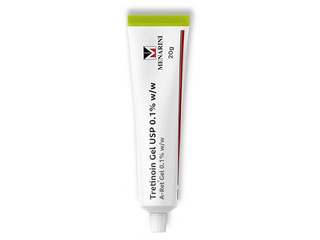
A-Ret (Tretinoin) — Patient Information (Australia)
A-Ret is a brand name containing tretinoin, a medicine commonly used in topical skin treatments. It helps improve the appearance of acne and some other skin conditions by encouraging normal skin cell turnover.
This guide explains how A-Ret works, how to use it safely and effectively, what interactions to consider, and what to expect in the first weeks of treatment. It is written for patients in Australia and includes practical tips for daily use.
Basic product information
- Active ingredient: Tretinoin
- Medicine type: Topical retinoid (vitamin A derivative)
- Common forms: Cream or gel (formulation strength varies by product)
- Typical treatment areas: Face (and sometimes chest/back for acne, depending on clinician advice)
- Brands: A-Ret is one brand; other tretinoin brands may exist
Product strength and formulation (e.g., gel vs cream) can affect how you should apply A-Ret and the expected skin response. Always check the label for your specific strength and directions.
What is tretinoin and how does it work? (Mechanism of action)
Tretinoin is a topical retinoid that influences how skin cells grow and shed. In acne and clogged pores, abnormal skin cell shedding can contribute to comedones (clogged follicles). Tretinoin helps by:
- Normalising keratinisation: It supports more regular shedding of dead skin cells.
- Reducing comedone formation: This can prevent new clogged pores from forming.
- Improving skin turnover: It encourages a healthier skin surface over time.
- Anti-inflammatory effects (indirect): While tretinoin is not an antibiotic, reducing blockage can help calm acne over time.
Importantly, tretinoin often takes weeks to show visible improvement. Some people experience a temporary worsening called “purging” as treatments increase turnover and bring clogged pores to the surface.
Pharmacokinetics (how the medicine behaves in the body)
When used topically, tretinoin is designed to act on the skin surface. Most tretinoin remains within the skin layers.
- Absorption: Systemic absorption through intact skin is generally low.
- Metabolism: Any absorbed tretinoin is processed mainly through normal body metabolic pathways.
- Distribution and elimination: Due to low absorption, systemic levels are typically minimal, and effects are primarily local to the skin.
If you apply A-Ret to large areas, use excessive amounts, or apply over damaged/irritated skin, absorption may increase and side effects may be more likely.
Typical uses
A-Ret (tretinoin) is primarily used for acne vulgaris. Depending on local clinical practice, tretinoin may also be used for certain other skin conditions where retinoids are beneficial. Your product packaging and clinician guidance will confirm your specific indication.
Common acne goals include:
- Reducing blackheads and whiteheads
- Reducing inflamed pimples over time
- Improving overall texture and helping prevent new lesions
Who should use it? (Indications and suitability)
A-Ret is generally suitable for individuals with acne (especially comedonal acne) who can tolerate topical treatment and follow a consistent routine.
It may be less suitable or require extra caution if you have:
- Very sensitive skin or a history of strong irritation with topical products
- Eczema or broken skin in the treatment area
- Sunburn or significant skin peeling
- Recent use of other strong acne treatments that may increase irritation
For best outcomes, discuss your skin history with a healthcare professional, especially if you are pregnant, breastfeeding, or planning pregnancy.
Dosing and how to apply (step-by-step)
Dosing varies by product strength and the severity of your skin condition. In general, tretinoin is applied as a thin layer.
Typical adult dosing (general guidance)
- Frequency: Usually once daily in the evening or at night.
- Amount: A small amount is enough. Spread a thin layer over affected areas.
- Start slowly: If you are prone to irritation, begin 2–3 nights per week and increase as tolerated.
How to apply A-Ret correctly
- Cleanse: Wash with a gentle cleanser and pat dry. Allow skin to fully dry (wait ~10–20 minutes if you can).
- Use a pea-sized amount: For the whole face, a pea-sized amount is often sufficient (adjust based on coverage area).
- Apply a thin layer: Spread lightly over acne-prone areas and areas at risk (not just individual spots).
- Moisturise if needed: Use a non-comedogenic moisturiser. You can moisturise:
- Before: “buffer” the skin if you get irritation.
- After: if dryness occurs.
- Hands and eyes: Wash your hands after applying. Avoid the corners of the eyes, eyelids, lips, nostrils, and any cuts or abrasions.
What if you miss a dose?
Apply it when you remember only if it’s close to your usual time. If it’s nearly time for the next dose, skip the missed dose—do not double up.
Timing: when to use it and when to expect results
Best time of day
- Use at night: Tretinoin is commonly applied in the evening to reduce light exposure.
- Consistency matters: Apply at the same time each night (or as your routine allows).
When you’ll see improvement
- Early weeks (0–4 weeks): Mild irritation is common. Acne may look worse temporarily.
- Mid phase (6–12 weeks): Many people start noticing fewer new blemishes.
- Ongoing (12+ weeks): Continued improvement in comedones, texture, and overall acne control.
If you experience severe burning, swelling, or oozing, pause use and seek advice promptly.
Food interactions
Because A-Ret is applied to the skin, food interactions are not expected in the way they can occur with oral medicines. However, overall nutrition supports skin health, and staying hydrated may help you tolerate the dryness that can occur with treatment.
There are no specific dietary changes required for tretinoin topical use.
Alcohol interactions
Topical tretinoin generally has no direct alcohol interaction. Still, avoid skin exposure to harsh solvents and alcohol-based skincare products on the treated area, as these can increase dryness and irritation.
If you use alcohol-containing products (e.g., certain toners) on the face, consider switching to gentle, fragrance-free alternatives during treatment.
Medicine and product interactions (skin and combination therapy)
A-Ret’s main interactions are usually with other topical skincare that may increase irritation.
Be cautious when using alongside these
- Other strong acne actives (e.g., high-strength benzoyl peroxide, strong salicylic acid, alpha/beta hydroxy acids) on the same routine
- Scrubs and exfoliating brushes that can damage the skin barrier
- Hair removal products (waxing/depilatories) on treated skin
- Products with irritating ingredients (fragrance, high alcohol content) that may worsen dryness
Possible combination approach
Many acne regimens use tretinoin with other therapies (for example, benzoyl peroxide or antibiotic treatments) because they can work in different ways. Your clinician/pharmacist can advise which combinations are most appropriate for your skin and how to space them to reduce irritation.
Sun exposure interaction (important)
- Sun sensitivity: Using tretinoin can increase the skin’s sensitivity to sunlight.
- Use daily sunscreen: Broad-spectrum SPF 30+ (or higher) is recommended.
- Avoid peak sun: Wear hats and seek shade where possible.
Safety profile: side effects and when to stop
Most side effects are related to local skin irritation. With correct use (thin layer, slow start, moisturising, sun protection), many people tolerate tretinoin well.
Common side effects
- Dryness
- Redness
- Peeling or flaking
- Burning or stinging
- Itching
- Temporary worsening of acne (purging)
Less common but serious reactions (seek medical advice)
- Severe swelling
- Blistering or skin sores
- Severe rash beyond the treatment area
- Eye irritation if it accidentally gets into the eyes
Overuse and accidental exposure
- Do not apply more than directed. Excess does not improve results and can increase irritation.
- Avoid broken skin. If skin is cracked or scraped, wait until it heals.
Practical use tips for better results
- Start low and go slow: Begin 2–3 nights per week, then increase to nightly if your skin tolerates it.
- Use gentle cleansers: Avoid harsh soaps, “medicated” scrubs, and strong toners.
- Moisturise strategically: If you feel tightness or burning, moisturise before and/or after applying.
- Let your skin dry after washing: Applying to damp skin can increase irritation.
- Apply to the whole affected area: This helps prevent new comedones rather than treating only existing spots.
- Be patient: Improvement usually takes several weeks.
- Protect from sun: Sunscreen is essential, even on cloudy days.
How to manage “purging”
Purging can look like more breakouts early in treatment. It usually settles over time. If irritation is severe or worsening persists beyond expected timelines, consider reducing frequency and speak with a healthcare professional.
Alcohol-containing skincare and lifestyle considerations
While alcohol in your diet doesn’t typically interact with topical tretinoin, certain skincare products containing high alcohol levels can worsen dryness. During treatment:
- Choose fragrance-free and non-comedogenic moisturisers.
- Prefer gentle, hydrating cleansers.
- Avoid frequent exfoliation and aggressive masking products early in therapy.
Alternative treatment options
Depending on your acne type, severity, skin sensitivity, and previous treatments, alternatives to tretinoin may include:
Other topical acne medicines
- Adapalene (a retinoid with a different tolerability profile for some people)
- Tretinoin alternatives in different formulations (gel vs cream, different strengths)
- Benzoyl peroxide (helps reduce acne-causing bacteria and inflammation)
- Salicylic acid (helps exfoliate clogged pores)
- Azelaic acid (may help with acne and post-acne marks, often well tolerated)
Other acne approaches
- Oral antibiotics in selected cases (when advised by a clinician)
- Hormonal options for some patients (where appropriate)
- Procedures such as chemical peels or light-based treatments in certain scenarios
Your best option depends on acne pattern (comedonal vs inflammatory), skin type, and how well you tolerate retinoids.
Market and legal context in Australia
In Australia, medicines containing tretinoin are regulated under the national medicines framework. Availability may vary by formulation and brand, and supply may be governed by product scheduling and pharmacy policies.
Many topical acne treatments can be accessed via pharmacies, and some may require additional checks based on intended use. Always follow the directions on the product label and consult a pharmacist or clinician for advice tailored to you.
Important: Australian medicine regulations and online pharmacy availability can change over time. If you’re unsure whether a particular strength or formulation is appropriate, ask a pharmacist before ordering.
Recent guidance and practical updates (what patients should know)
While guidance can vary by product and clinical setting, common recent best-practice themes for topical retinoids include:
- Barrier-friendly routines: gentle cleansing and consistent moisturising to reduce irritation.
- Sun protection: sunscreen use daily to limit irritation and pigment changes.
- Slow titration: starting with fewer applications rather than jumping straight to nightly use.
- Spacing with other actives: avoiding “stacking” multiple irritants in the same routine during early weeks.
If you are already using other acne treatments, consider seeking advice on the safest combination and timing.
Delivery and availability in Australia
Online pharmacies commonly provide delivery across Australia. Availability depends on stock levels, the specific formulation/strength requested, and regulatory requirements at the time of order.
- Ordering: Choose the correct product strength and formulation (cream/gel) as shown on the listing.
- Shipping: Delivery times depend on your location and local courier service.
- Cold chain: Topical tretinoin generally does not require cold storage unless stated on the product label.
- Check packaging: Confirm the expiry date and integrity of the seal when it arrives.
If you have questions about suitability, storage, or how to start safely, contact a pharmacist before beginning treatment.
FAQ — Frequently asked questions
1) How long does A-Ret take to work?
Many people notice improvement after 6–12 weeks. Early dryness or a temporary worsening can happen in the first few weeks. Best results often continue to build with continued use over 3–4 months.
2) Why is my skin getting red or peeling?
Dryness and redness are common with tretinoin, especially when you start or if you use it too frequently. Try reducing how often you apply it, moisturising more, and ensuring your skin is fully dry before application.
3) Should I use moisturiser?
Yes, moisturising helps reduce irritation. You can use a non-comedogenic moisturiser either before or after A-Ret, depending on what feels best for your skin.
4) Can I use A-Ret with benzoyl peroxide?
Some acne regimens combine these treatments. They can be effective, but they may also increase irritation in the same routine for some people. Ask a pharmacist for advice on the safest way to combine and how to space them (for example, using one in the morning and one at night).
5) Can I put A-Ret on my whole face or only spots?
For acne prevention and better control of clogged pores, it’s often recommended to apply a thin layer to the areas prone to acne, not only individual pimples. Avoid sensitive areas such as corners of the eyes, eyelids, and lips.
6) What sunscreen should I use?
Use a broad-spectrum SPF 30+ sunscreen daily. Choose a gentle, non-comedogenic product that suits your skin. Apply sunscreen each morning, and reapply when outdoors for extended periods.
7) What should I avoid while using A-Ret?
Try to avoid harsh exfoliants, scrubs, and other strongly irritating skincare products, particularly during the early weeks. Also avoid sunburn and excessive sun exposure.
8) Is A-Ret safe for sensitive skin?
It can be used by many people with sensitive skin, but it may require a slower start, careful moisturising, and strict sun protection. If you have a history of strong reactions, consider discussing options with a healthcare professional.
9) Can I drink alcohol while using A-Ret?
There is generally no direct interaction between alcohol you drink and topical tretinoin. However, avoid using alcohol-containing products on the treated skin as they can worsen dryness.
10) What if I accidentally get it in my eyes or on my lips?
Rinse thoroughly with lukewarm water immediately. If irritation persists, seek medical advice.
Summary
A-Ret (tretinoin) is a topical retinoid used mainly to treat acne by helping normalise skin cell turnover and reduce comedones. Results typically take several weeks, and early irritation or temporary worsening can occur. Using a thin layer at night, moisturising, sun-protecting, and starting gradually can significantly improve comfort and effectiveness.
For the safest and most effective routine, check your product label and speak with a pharmacist or clinician if you are unsure about combination treatments, timing, or suitability.
| Topic | Key points for patients |
|---|---|
| Active ingredient | Tretinoin (topical retinoid) |
| Typical use | Acne vulgaris (and selected retinoid-responsive skin conditions as advised) |
| When to apply | Usually once daily at night |
| How much | Thin layer; pea-sized amount often enough for whole face (per product label) |
| How to start | Often 2–3 nights per week, then increase as tolerated |
| Expected timing | Improvement often begins after 6–12 weeks; continue up to 3–4 months |
| Common side effects | Dryness, redness, peeling, mild burning or stinging |
| Sun protection | Daily SPF 30+; avoid sunburn |
| Food interactions | Not expected due to topical use |
| Medicine/skin interactions | Avoid other strong irritants/exfoliants in early treatment; space actives if combining |