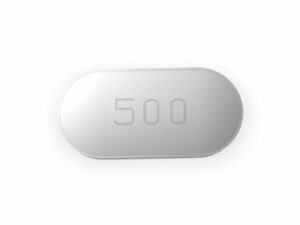

Prandin (Repaglinide) – Patient-Friendly Guide (Australia)
Prandin is a medicine used to help control blood sugar (glucose) in people with type 2 diabetes. This guide explains how repaglinide works, how it’s typically taken, key safety considerations, and practical tips to support everyday use.
Important: This information is intended to help you understand your medicine. It does not replace advice from your healthcare professional.
Quick Product Information
| Brand name | Prandin |
|---|---|
| Generic name | Repaglinide |
| Medicinal form | Tablets |
| Medicine class | Glucose-lowering medicine (meglitinide / insulin secretagogue) |
| Common purpose | Reduces blood sugar spikes after meals |
| Typical dosing style | Taken with meals (before eating) |
How Prandin Works (Mechanism of Action)
Repaglinide lowers blood glucose mainly by stimulating the pancreas to release insulin. It does this by acting on specific proteins (ATP-sensitive potassium channels) in the insulin-producing beta cells.
- When taken before meals, it helps the body release insulin at the time you eat.
- This targeted insulin release can reduce post-meal (postprandial) blood sugar levels.
- Repaglinide does not replace insulin like insulin injections; it increases insulin release from your own pancreas.
The effectiveness of repaglinide depends on your pancreas still being able to produce insulin.
Pharmacokinetics (How the Body Handles Repaglinide)
Understanding the medicine’s timing helps explain why Prandin is taken shortly before meals. While individual responses vary, the general pattern is:
- Absorption: Repaglinide is absorbed after you swallow the tablet and begins working relatively quickly.
- Onset: It starts lowering blood glucose soon after dosing, supporting meal-time control.
- Peak effect: Blood levels rise and insulin release is stimulated most around the meal period.
- Duration: Its effect is relatively short compared with some other diabetes tablets. This contributes to the “with meals” dosing approach.
- Metabolism & elimination: Repaglinide is primarily metabolised by the liver and cleared from the body mainly via bile and the gastrointestinal tract. Kidney function usually has less direct impact than liver metabolism.
Because it is designed to work around eating, missing meals or changing meal schedules can affect blood sugar control.
What Prandin Is Used For (Indications)
Prandin (repaglinide) is used to improve blood glucose control in adults with type 2 diabetes. It may be used:
- As monotherapy (alone) when lifestyle measures and diet/exercise are not sufficient, and where a pancreas insulin response is present.
- In combination with other glucose-lowering medicines when additional control is needed. Common combination strategies may include medicines such as metformin, depending on clinical decisions.
Your healthcare professional will decide whether repaglinide is the right option for you based on factors such as: current HbA1c, meal patterns, kidney and liver health, and risk of low blood sugar.
Typical Timing & How to Take Prandin
Prandin is generally taken before meals. This helps align insulin release with food intake.
When to take it
- Take Prandin immediately before a meal, or within a short period before eating. (Follow the exact timing your prescriber or pharmacist provides.)
- If you skip a meal, you will usually be advised to skip the dose for that meal as well.
Meal pattern matters
- Repaglinide is often used when meal timing is more variable than with medicines that require fixed daily dosing.
- Try to keep your meal schedule consistent to reduce swings in blood glucose.
Dose schedule (general)
Many people take repaglinide up to three times per day, typically with main meals. The exact number of doses depends on your eating pattern and blood glucose readings.
Dosing: Starting, Adjusting, and Missed Doses
Your dose should be individualised. The information below gives general guidance about how dosing is commonly managed. Always follow your prescriber’s instructions and the product label on your medicine pack.
Starting dose
- Treatment usually starts at a low dose and is adjusted based on glucose response.
- Dose adjustments are typically based on blood glucose measurements (including pre-meal and/or post-meal readings) and overall HbA1c goals.
Adjustments
- If glucose levels are above target, the dose may be increased stepwise.
- If low blood sugar occurs, doses may be reduced or the medicine schedule changed.
Missed dose
- If you forget a dose and the meal is still upcoming, ask your pharmacist for the best plan.
- If it is close to the time of the next meal, you may be advised to skip the forgotten dose and continue with the next scheduled dose.
- Avoid taking extra doses to “catch up” without advice.
Indication-Specific Use: What Targets Are You Aiming For?
Diabetes treatment aims to reduce both:
- Short-term glucose spikes (especially after meals)
- Long-term glucose exposure, reflected by HbA1c
Because repaglinide is taken around meals, many people monitor: pre-meal and post-meal blood glucose to see whether the timing and dose match their meals.
Food Interactions (Including Meal Skipping)
Repaglinide is closely linked to food intake. The main “food interaction” is how it behaves with meals.
- Take it with your meal—usually immediately before eating.
- If you miss a meal, you will usually be told not to take repaglinide for that meal to reduce hypoglycaemia risk.
- Large or unusually timed meals may affect blood glucose control and may require dose review over time.
- Keep carbohydrate intake and meal timing consistent where possible (for predictable glucose patterns).
There are no universal “forbidden foods,” but you should be mindful of patterns that change your blood sugar, such as very high-sugar meals, alcohol intake, or prolonged fasting.
Alcohol Interactions
Alcohol can increase the risk of low blood sugar (hypoglycaemia), particularly if:
- you drink on an empty stomach,
- you have irregular meals, or
- you take other glucose-lowering medicines.
Alcohol can also affect judgement—making it harder to recognise and treat warning signs of hypoglycaemia. Consider limiting alcohol, always eat something when drinking (unless your clinician says otherwise), and monitor glucose if advised.
Medicine Interactions (Important Interactions to Know)
Repaglinide can interact with other medicines, potentially changing repaglinide levels in your body and altering blood glucose control. Some interactions are particularly important for liver metabolism pathways.
High-risk interactions (ask your pharmacist)
Please tell your healthcare professional about all medicines you take, including over-the-counter products and supplements. Examples of medicine categories that may interact include:
- Some antifungal medicines (azole antifungals)
- Some antibiotics (particularly certain “macrolide” antibiotics)
- Some HIV medicines (antiretrovirals)
- Some medicines for hepatitis C and other viral conditions
- Medicines that affect liver enzyme activity (which may increase or decrease repaglinide exposure)
In some situations, certain medicines may be contraindicated with repaglinide or require dose changes and close monitoring.
Other diabetes medicines
- Combining repaglinide with other glucose-lowering treatments can increase the risk of hypoglycaemia.
- Your clinician may adjust doses to balance blood sugar control with safety.
Beta-blockers and symptom masking
- Some medicines (e.g., beta-blockers) can make it harder to notice early warning signs of low blood sugar.
- Continue monitoring as advised and know your hypoglycaemia signs.
Safety Profile: Common and Serious Side Effects
Like all medicines, Prandin can cause side effects. Some are more important than others. The most significant risk with insulin secretagogues like repaglinide is hypoglycaemia.
Most common concern: Low blood sugar (hypoglycaemia)
Hypoglycaemia can happen if repaglinide dose is too high for your meals, if you eat less than usual, or if you combine it with other glucose-lowering treatments.
Common warning signs may include:
- shakiness, sweating, fast heartbeat
- hunger, nausea
- headache, dizziness
- irritability, confusion, weakness
If you suspect hypoglycaemia, treat it promptly (for example, using fast-acting carbohydrate) and recheck glucose if available. If symptoms are severe or you cannot swallow, seek urgent medical help.
Other possible side effects
- gastrointestinal upset (such as nausea)
- weight changes (often related to improved control and/or hypoglycaemia episodes)
- skin reactions (rare)
When to seek urgent advice
- severe or persistent hypoglycaemia symptoms
- fainting, seizures, or inability to self-treat
- signs of serious allergic reaction (swelling of face/lips, difficulty breathing)
- unexplained bruising/bleeding or severe illness (urgent assessment is needed)
Practical Tips for Everyday Use
1) Tie the dose to the meal
- Take Prandin only when you’re going to eat.
- Keep a routine to reduce missed meals or late dosing.
2) Monitor glucose when adjusting dose
- If starting or changing dose, more frequent blood glucose checks may be advised.
- Use the readings to help your clinician fine-tune your regimen.
3) Learn your hypoglycaemia pattern
- Some people get low blood sugar at particular times (e.g., after a smaller meal).
- Record episodes—timing, meal size, activity—to share with your clinician.
4) Carry quick sugar
- Keep fast-acting carbohydrate available (e.g., glucose tablets or sugar sachets), as advised by your healthcare team.
- Consider wearing diabetes identification.
5) Be careful with exercise changes
- Unplanned extra physical activity can increase the risk of hypoglycaemia.
- You may need meal or monitoring adjustments—discuss this with your clinician.
6) Alcohol planning
- Drink slowly, avoid drinking on an empty stomach, and monitor if advised.
Special Considerations (Liver/Kidney Health and Age)
Diabetes management depends on your overall health. Because repaglinide is mainly handled by the liver, liver impairment can increase repaglinide exposure and the risk of side effects, including hypoglycaemia.
- Liver impairment: may require dose adjustments or careful monitoring.
- Kidney impairment: decisions are individualised; your clinician will consider your overall risk profile.
- Older adults: hypoglycaemia risk may be higher—dose may start lower and be adjusted cautiously.
Alternative Options for Type 2 Diabetes (Discuss with Your Clinician)
If Prandin isn’t suitable—or if additional control is needed—there are several other medicine options for type 2 diabetes. Your healthcare professional can tailor choices to your health, preferences, and glucose patterns.
Other medicine categories you may hear about
- Metformin (often a first-line option)
- Sulfonylureas (also stimulate insulin but often with longer duration)
- DPP-4 inhibitors
- SGLT2 inhibitors
- GLP-1 receptor agonists
- Insulin (when needed for adequate control)
- Thiazolidinediones (selected cases)
The “best” alternative depends on your meal timing, cardiovascular risk, kidney function, weight goals, and hypoglycaemia risk.
Market and Legal Context for Australia (General Information)
In Australia, medicines like Prandin are regulated under the Therapeutic Goods Administration (TGA) framework. Access to prescription medicines is supported through pharmacist and healthcare professional processes, and availability can vary by brand and supply conditions.
You may also see generic medicines or other brand presentations available depending on supply and formulary decisions in your area. Always check that the product name and strength match what was intended for you.
Recent Guidance and Updates (What to Watch For)
Diabetes care is updated as new evidence emerges. While individual prescribing decisions vary, commonly monitored areas include:
- local prescribing guidance for type 2 diabetes treatment sequencing
- recommended monitoring strategies for glucose and hypoglycaemia risk
- renewed safety communications related to drug interactions
- changes in subsidisation and medicine access pathways
For the most current advice in Australia, consult your pharmacist or healthcare professional, and check reputable sources such as Diabetes Australia and relevant clinical guidelines.
Delivery and Availability (Online Pharmacy Considerations in Australia)
Availability of Prandin (repaglinide) can depend on supply timelines, strength, and packaging. If you order online, your pharmacy typically ensures:
- the medicine matches the specified brand and strength
- storage conditions are appropriate
- delivery timelines are communicated clearly
- replacement options are available if supply changes
If you need the medicine urgently, contact the pharmacy to confirm stock and dispatch timing.
FAQ – Prandin (Repaglinide)
1) Is Prandin for type 1 diabetes?
Prandin is used for type 2 diabetes. It is not intended for type 1 diabetes. Your clinician can confirm what is appropriate for your diagnosis.
2) How soon does Prandin start working?
Repaglinide is designed to act around meal times, so it typically begins working relatively quickly after dosing. For the most accurate expectation, follow your prescribed dosing schedule and monitor glucose as advised.
3) What should I do if I miss a meal?
In many regimens, you would skip the dose for that meal. Do not take extra doses to “make up” for missed meals. If you are unsure, ask your pharmacist for meal-skip guidance specific to your dose plan.
4) Can I take Prandin if I don’t eat carbohydrates?
Even with lower carbohydrate meals, blood glucose can rise—especially depending on portion size, meal composition, and overall diet. Follow your dosing instructions based on whether you are eating, and adjust with your healthcare team if your glucose readings suggest changes are needed.
5) What causes low blood sugar with Prandin?
Common causes include taking the dose but eating less than planned, skipping or delaying meals, increasing physical activity without adjusting, or combining with other glucose-lowering medicines.
6) Can I drink alcohol while taking Prandin?
Alcohol can increase hypoglycaemia risk. If you drink, do so cautiously, avoid drinking on an empty stomach, and consider monitoring your glucose. Ask your pharmacist if there are specific limits for your situation.
7) What medicines interact with repaglinide?
Repaglinide may interact with certain antibiotics, antifungals, HIV medicines, and other drugs that affect liver metabolism. Always provide your full medicine list to your pharmacist so they can screen for interactions.
8) Is weight gain common?
Some people may experience weight changes during diabetes treatment. Weight effects vary by individual and overall regimen. Your clinician can discuss expected outcomes and lifestyle strategies.
9) How long will I need to take Prandin?
Type 2 diabetes often requires long-term management. Your treatment may change over time based on glucose goals, side effects, and overall health.
10) Where can I find the most reliable information for my exact dose?
Check your medicine label and packaging instructions, and confirm timing and dose with your pharmacist or healthcare professional. They can clarify what to do on sick days, fasting, or travel.
Summary
Prandin (repaglinide) helps control blood sugar in type 2 diabetes by stimulating insulin release around meal times. Its main safety consideration is the risk of hypoglycaemia, especially if meals are skipped, dosing timing is incorrect, or interacting medicines are used.
If you have questions about dosing schedules, meal timing, interaction warnings, or what to do if you feel unwell, speak with your pharmacist or diabetes care team.