
Clenbuterol: Patient-Friendly Guide (Australia)
Clenbuterol is a medicine that belongs to the class of drugs known as beta-2 adrenergic agonists (often referred to as “beta-2 agonists”). It works by stimulating beta-2 receptors, which can relax smooth muscle and influence metabolic processes such as energy use. In medicine, clenbuterol has been used in certain respiratory conditions, depending on regulatory approval and country-specific availability.
This guide is written to help you understand what clenbuterol is, how it works, how the body processes it, common uses, practical timing tips, food and alcohol considerations, key safety information, and options you may discuss with a healthcare professional. It also includes helpful information about the Australian market and legal context and common questions.
1) Basic Product Information
- Medicine name: Clenbuterol
- Drug class: Beta-2 adrenergic agonist
- Common forms: Tablet or syrup formulations may exist depending on the source and jurisdiction
- Typical strengths: Vary by formulation (follow the exact product label you receive)
- Brand names: Different brand names may exist internationally
Important note: Product availability and legal status can vary in Australia. You should always check the details of the specific product listing you’re considering and consult relevant Australian guidance if you have any questions.
2) Mechanism of Action (How Clenbuterol Works)
Clenbuterol primarily stimulates beta-2 adrenergic receptors. These receptors are found in various tissues, including airway smooth muscle, the cardiovascular system, skeletal muscle, and metabolic tissues.
In practical terms, clenbuterol may:
- Relax airway smooth muscle, which can help reduce breathing discomfort in some conditions.
- Increase cyclic AMP (cAMP) in target tissues, promoting bronchodilation and muscle relaxation.
- Influence metabolic activity—this is one reason some people misuse it outside approved medical contexts.
- Increase alertness and sympathetic activity in some individuals, which can contribute to side effects like tremor or fast heart rate.
Because it can also have effects on the heart and circulation (directly and indirectly), clenbuterol may cause palpitations, tremor, or changes in blood pressure in susceptible people.
3) Pharmacokinetics (What Happens to the Drug in the Body)
Pharmacokinetics describes how a medicine is absorbed, distributed, metabolised, and eliminated. Exact values can vary by dose, formulation, liver function, age, and individual factors, but the general patterns are well-recognised.
Absorption
Clenbuterol is generally absorbed after oral dosing. Peak levels occur after a certain time window, depending on formulation and individual absorption.
Distribution
It can distribute into body tissues. Because of its pharmacological activity and tissue distribution, effects may persist beyond the initial dose.
Metabolism
Clenbuterol is typically metabolised in the liver through enzymatic processes. Liver function may therefore influence how quickly the drug is cleared.
Elimination
Clenbuterol has a longer duration of action than many short-acting bronchodilators. This is why dosing schedules often reflect its sustained activity. Clearance occurs via metabolic pathways and excretion.
Practical takeaway: Because effects may last, taking too much or taking doses too close together may increase the risk of side effects such as tremor, tachycardia, or blood pressure changes.
4) Typical Use and Indications (Medical Context)
Clenbuterol has been used medically in certain situations, most notably in some countries for bronchial conditions where bronchodilation is required. Its exact approved indications in Australia depend on current regulatory status and the availability of approved products.
In general medical use, clenbuterol is most relevant to:
- Respiratory conditions: situations involving bronchospasm where airway relaxation can help symptoms
- Symptom management: improving breathing comfort as part of a broader treatment approach
Not all uses seen online are medically appropriate. Clenbuterol is sometimes discussed for weight loss or performance enhancement in unofficial contexts. However, those uses may involve significant risks, and they may not align with Australian legal and medical standards.
5) Dosing (General Guidance)
Dosing must be individualised. The right dose depends on the condition being treated, your age, overall health, heart rate, blood pressure, other medicines, and how sensitive you are to beta-2 stimulation.
Follow the dosing instructions on the product label and any advice from a qualified healthcare professional for your specific situation. Do not exceed the recommended dose.
Common dosing patterns (conceptual)
Some clinicians may prescribe dosing schedules that take advantage of the medication’s longer activity. Still, the exact regimen should always be based on official guidance and patient-specific factors.
- Start low: many approaches begin with a lower dose to assess tolerance.
- Titration: dose increases (if any) are usually gradual, watching for cardiovascular and nervous system side effects.
- Consistency: take doses at roughly similar times each day if advised to do so.
Seek urgent medical help if you experience severe palpitations, chest pain, fainting, severe headache, or trouble breathing.
6) Timing: When to Take Clenbuterol
Timing depends on your condition and prescribed regimen. In general:
- Take at the same times each day to keep levels more consistent.
- Allow for its long duration of action—taking doses too close together can increase side effects.
- If it upsets your stomach, taking it with food may help (see food interactions below for more detail).
Tip: If you notice tremor or increased heart rate after a dose, you may need medical review of your regimen rather than simply continuing or increasing doses.
7) Food Interactions (What to Know)
Food may affect how medicines are absorbed, but clenbuterol is not typically known for severe “must-avoid” dietary interactions. Still, individual response varies.
General advice
- Take consistently: try to take each dose the same way (with or without food) to reduce variability.
- If you get nausea or stomach upset: consider taking with food, unless your product label advises otherwise.
High-caution dietary considerations
While not a direct food-drug interaction, substances that stimulate the body (such as high caffeine intake) may add to symptoms like tremor or a racing heart.
- Caffeine and energy drinks: may increase jitteriness or palpitations in sensitive individuals.
- Alcohol-containing foods: can contribute to alcohol interaction risks.
8) Alcohol and Medicine Interactions
Combining clenbuterol with alcohol can increase strain on the cardiovascular and nervous systems for some people and may worsen dizziness, tremor, or feeling unwell.
Alcohol
- Best practice: avoid or limit alcohol, especially when starting or adjusting doses.
- Watch for symptoms: dizziness, rapid heartbeat, flushing, nausea, or unusual fatigue may indicate intolerance.
Other medicines that may interact (examples)
Clenbuterol’s beta-2 activity can interact with medicines that affect heart rate, blood pressure, or the nervous system.
- Other bronchodilators or sympathomimetics: may increase cardiovascular side effects when combined.
- Stimulant medicines: may increase jitteriness and heart rate.
- Thyroid hormone (levothyroxine): excessive thyroid activity can increase the risk of palpitations.
- Diuretics: may increase the risk of electrolyte imbalance, and some beta-agonist effects may worsen tremor.
- Beta-blockers: may oppose beta-agonist effects; discuss with a clinician if you’re taking any.
- Medicines affecting heart rhythm: may require extra caution due to the potential for tachycardia.
Important: If you take any regular medicines (including over-the-counter products and herbal supplements), review them with a healthcare professional to check for interaction risks.
9) Safety Profile (Side Effects and Risks)
All medicines have potential risks. Clenbuterol’s safety profile is particularly influenced by its stimulant effects on beta-2 receptors and possible cardiovascular effects.
Common side effects
- Tremor
- Headache
- Feeling “jittery” or anxious
- Palpitations (awareness of heartbeat)
- Fast heart rate (tachycardia)
- Muscle cramps or discomfort
- Nausea or stomach upset
- Sweating
Serious side effects (seek urgent help)
- Chest pain or severe shortness of breath
- Fainting, severe dizziness, or collapse
- Very fast or irregular heartbeat
- Severe allergic reactions (swelling of face/lips, rash with breathing difficulty)
Who should be extra cautious
Clenbuterol may be unsuitable or require careful monitoring in people with:
- Heart disease, arrhythmias, or uncontrolled hypertension
- History of significant palpitations
- Hyperthyroidism or unstable thyroid disease
- Significant liver impairment
- Electrolyte disturbances
Driving and machinery
If you experience tremor, dizziness, or palpitations, avoid driving or operating machinery until you know how you react.
10) Practical Use Tips (How to Use More Safely)
If you are taking clenbuterol under appropriate medical guidance, these tips can help reduce avoidable risks.
- Start slowly and assess tolerance: sudden higher dosing may increase side effects.
- Monitor your heart rate: if you have access to a heart rate monitor, check after dosing—especially during the early days.
- Track symptoms: write down tremor, palpitations, headaches, and sleep quality.
- Stay hydrated: dehydration may worsen headaches and dizziness.
- Limit caffeine and other stimulants: this may reduce tremor and palpitations.
- Don’t combine with unverified products: avoid stacks with other beta-agonists or substances marketed for similar effects unless clearly medically supervised.
- Check blood pressure if possible: especially if you have risk factors.
- Use consistently with your regimen: avoid missed or double doses.
11) Alternative Options
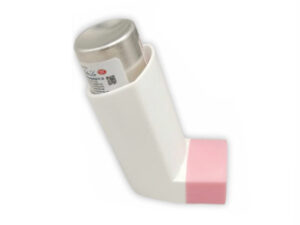
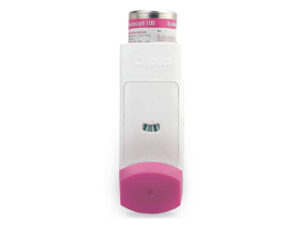
Depending on why you’re considering clenbuterol, there may be safer or more appropriate alternatives. In respiratory conditions, treatment typically includes established therapies such as inhaled bronchodilators and controller medicines tailored to asthma or chronic bronchitis.
Alternative approaches may include:
- Inhaled short-acting beta-2 agonists (relievers) for rapid bronchodilation
- Inhaled long-acting bronchodilators for long-term symptom control
- Inhaled corticosteroids for inflammatory control (when indicated)
- Combination inhalers that match your diagnosis and severity
- Non-pharmacological management such as trigger avoidance, breathing techniques, and pulmonary rehabilitation
For weight-loss or performance-related goals, a discussion about evidence-based, safer strategies (nutrition, exercise, and—when appropriate—approved medical options) is strongly recommended.
12) Market and Legal Context for Australia (Important Considerations)
Australia has strict rules around medicines, including their classification, prescribing requirements, import controls, and possession of certain therapeutic goods. Clenbuterol may be:
- Restricted or not widely available depending on current regulatory status
- Subject to therapeutic goods regulations, including rules on importation and supply
- Monitored in sporting and safety contexts due to misuse concerns
What this means for you: availability through an online pharmacy can be dependent on whether the specific product is legally supplied in Australia and meets required compliance standards. Always review the product’s listing details, source, and any conditions stated by the pharmacy and relevant authorities.
Recent guidance: Australian regulatory scrutiny around misuse of beta-agonists and cross-border supply has been an ongoing concern. Always use reputable, compliant providers and ensure the product you receive matches what is stated.
13) Recent Guidance and Responsible Use
Internationally and within Australia, guidance has consistently emphasized:
- Use of medicines only for intended therapeutic purposes
- Avoidance of unsafe dosing practices and non-medical “cycling” habits
- Awareness of cardiovascular risks including tachycardia and tremor
- Careful attention to interactions with stimulants and heart-related medicines
If you’re unsure whether clenbuterol is appropriate for your situation, the safest step is to discuss your symptoms and goals with a qualified healthcare professional.
14) Delivery and Availability (Australia)
Delivery timelines vary by supplier and shipping method. If the product is available through an Australian pharmacy service, common factors affecting delivery include:
- Stock status and whether items are held locally
- Shipping region (metro vs regional areas)
- Customs and compliance checks where applicable
- Standard carrier schedules
Availability: In some cases, medicines may be temporarily unavailable or subject to listing changes due to regulatory updates. Check the product page for real-time availability status and estimated dispatch times.
Packaging: Medicines are typically shipped in protective packaging designed to reduce damage during transit. Always inspect the parcel on arrival and verify that the product name and strength match the order.
15) Frequently Asked Questions (FAQ)
Is clenbuterol available in Australia?
Availability depends on the product’s regulatory status and whether it is legally supplied in Australia. Check the listing details on the pharmacy website and any information provided about compliance. If you are unsure, seek advice from a healthcare professional or confirm with relevant Australian regulatory resources.
What is clenbuterol used for?
In medical contexts, clenbuterol is associated with bronchodilating effects. The exact approved indications depend on local regulations and whether an authorised product is being used. It may not be appropriate for non-medical goals.
How soon does clenbuterol start working?
Individual response varies. After oral dosing, onset may occur within a time window and effects may last longer due to the medication’s pharmacokinetic profile. If you experience unexpected or severe side effects soon after taking it, stop and seek medical guidance urgently.
Can I take clenbuterol with food?
Many people can take it with food if it causes stomach discomfort. The key is to take it consistently and follow the product label instructions.
Does alcohol make clenbuterol more dangerous?
Alcohol may increase dizziness, nausea, and cardiovascular strain for some people. It’s generally safest to avoid alcohol or keep intake minimal, particularly when you’re adjusting to the medicine.
What should I do if I miss a dose?
If you miss a dose, take it when you remember unless it is close to the next scheduled dose. Do not double up. Follow the product label or guidance provided by your healthcare professional.
What side effects are most common?
Tremor, headache, palpitations, fast heart rate, sweating, and feeling jittery are commonly reported. If symptoms are severe or worsening, seek medical help.
When should I seek urgent help?
Seek urgent care for chest pain, fainting, severe shortness of breath, severe dizziness, or very fast/irregular heartbeat.
Are there safer alternatives?
Yes, alternatives exist—especially for respiratory conditions—such as inhaled bronchodilators and other guideline-based controller options. The best choice depends on your diagnosis and severity.
Can clenbuterol interact with other medicines?
Yes. Potential interactions include other bronchodilators, stimulants, beta-blockers, thyroid hormone therapy, diuretics, and medicines affecting heart rhythm. Provide your full medicine list to a clinician or pharmacist to confirm safety.
16) Summary
Clenbuterol is a beta-2 adrenergic agonist with bronchodilating activity and potential metabolic effects. While it may have a role in certain medical situations, it can also cause tremor and cardiovascular side effects, and it has meaningful considerations around timing, food consistency, alcohol, and medicine interactions.
For the safest outcome, use clenbuterol only in the context of appropriate guidance, watch for warning signs, and consider established alternatives—especially for respiratory conditions. If you have questions about the product’s availability or suitability in Australia, review the specific listing details and speak with a qualified healthcare professional.
Product Details Snapshot
| Category | Information |
|---|---|
| Medicine class | Beta-2 adrenergic agonist |
| Common effects | Airway relaxation; may cause tremor/palpitations in some people |
| Key safety considerations | Cardiovascular effects; caution with heart disease, thyroid conditions, and interacting medicines |
| Food interaction | Generally take consistently; food may help reduce stomach upset |
| Alcohol | Best to avoid or limit; may increase dizziness and cardiovascular strain |
| Availability in Australia | Depends on regulatory status and compliant supply routes—check listing details |