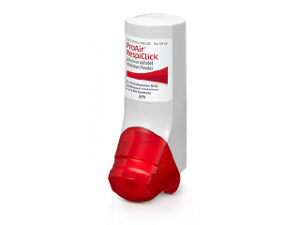
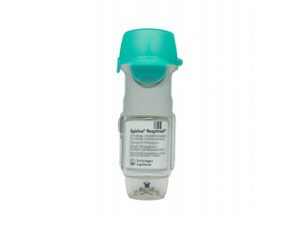
Salbutamol (Albuterol) — Patient Information (Australia)
Salbutamol (also known as albuterol in some countries) is a widely used medicine for rapid relief of breathing symptoms caused by reversible airway narrowing. It belongs to a group of medicines called short-acting beta2-agonists (SABAs).
This page explains how salbutamol works, how it is used, what to expect, and important safety information for people in Australia. Always follow the instructions on your product label or from your healthcare professional.
Basic Product Information
| Category | Details |
|---|---|
| Generic name | Salbutamol (albuterol) |
| Medicine class | Short-acting beta2-agonist (SABA) |
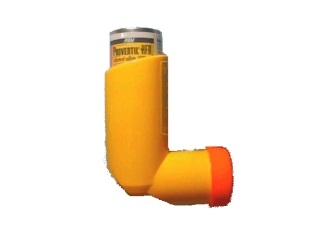
| Common forms | Inhaler (e.g., pressurised metered-dose inhaler), nebuliser solution, tablets/syrup (varies by product) |
| Main purpose | Fast relief of wheeze, shortness of breath, and chest tightness |
| Onset (typical) | Often within minutes after inhalation |
| Duration (typical) | Several hours (commonly around 4–6 hours, varies by person and device) |
In Australia, salbutamol products are available in different strengths and formats. Availability may vary by brand and whether the product is listed for pharmacy supply or other channels.
How Salbutamol Works (Mechanism of Action)
Salbutamol targets beta2 receptors in the smooth muscle lining the airways. When inhaled, it helps to:
- Relax airway muscles, reducing airway narrowing (bronchospasm).
- Improve airflow, which can ease symptoms like wheeze and breathlessness.
- Provide rapid symptom relief compared with many other controller medicines.
It does not treat the underlying inflammation in asthma in the same way as inhaled corticosteroids (ICS). For persistent symptoms, a controller plan is usually needed.
Pharmacokinetics (Absorption, Distribution, Metabolism, Elimination)
How salbutamol behaves in the body depends on the route of administration. Inhaled salbutamol is designed to act locally in the lungs.
Inhaled salbutamol
- Absorption: A portion deposits in the airways; some may be swallowed and absorbed from the gastrointestinal tract.
- Distribution: After absorption, salbutamol can distribute throughout the body.
- Metabolism: Primarily metabolised in the liver.
- Elimination: Mostly excreted by the kidneys, primarily as metabolites.
Clinical practical implication
Because it can be partially swallowed after inhalation, some systemic side effects (such as tremor or palpitations) may occur, particularly with frequent dosing.
Typical Use and When It Works
Salbutamol is commonly used for quick relief of:
- Wheezing
- Shortness of breath
- Chest tightness
- Acute bronchospasm in reversible conditions
It is often used as a reliever medicine and may also be used to prevent exercise-induced symptoms depending on the asthma plan.
Timing (what to expect)
- Onset: Typically within a few minutes after inhalation.
- Peak effect: Often occurs relatively soon after use.
- Duration: Commonly lasts several hours, though this varies between individuals and delivery devices.
If symptoms return quickly or become more frequent, this may indicate that your airways inflammation is not adequately controlled and you should seek medical review for your overall plan.
Food Interactions
Salbutamol has no well-known significant food interactions for most people, particularly when used as an inhaled medicine. However, if you are using oral forms (tablets/syrup), general medicine best-practice applies:
- Avoid changing your diet dramatically at the same time as starting or adjusting medicines.
- If the product label advises taking with or without food, follow that instruction.
If you notice that symptoms worsen after certain foods (for example, if food triggers reflux or asthma symptoms), discuss a strategy with a healthcare professional.
Alcohol and Medicine Interactions
Alcohol
Moderate alcohol is unlikely to directly “interact” with salbutamol in a dangerous way for most people, but there are practical considerations:
- Asthma control: Alcohol can trigger symptoms in some individuals.
- Side effects: Both alcohol and beta2-agonists may contribute to shakiness or palpitations in some people.
- Judgement/coordination: If you feel unwell, avoid alcohol that could mask symptom severity.
If alcohol tends to worsen your breathing, it is sensible to discuss safe limits with your clinician.
Other medicine interactions (important)
Salbutamol can interact with several medicine types. Please tell your pharmacist or clinician about all medicines you use, including:
- Beta-blockers (including some eye drops for glaucoma): can reduce bronchodilator effect.
- Diuretics (“water tablets”): may affect potassium levels.
- Other asthma relievers with similar effects: may increase side effects (e.g., tremor, fast heart rate).
- Medicines affecting heart rhythm: may increase the risk of rhythm disturbances in susceptible people.
- Certain antidepressants (MAOIs or TCAs) and other stimulant-like medicines: may increase cardiovascular side effects.
If you have heart disease, an abnormal heart rhythm, diabetes, or low potassium history, ask a healthcare professional about extra precautions.
Indications (What Conditions It Treats)
Indications for salbutamol vary by product form and age group, but commonly include:
- Asthma: relief of bronchospasm symptoms and wheeze.
- Reversible obstructive airway disease (for example, some cases of chronic bronchitis/COPD where bronchodilator response occurs).
- Exercise-induced bronchoconstriction: prevention of symptoms in some patients as part of a plan.
- Acute bronchospasm in appropriate settings (including when prescribed/used under medical guidance).
Not all wheeze is asthma, and not all asthma is controlled with reliever-only treatment. Seek appropriate review if symptoms are frequent or worsening.
Dosing (General Guidance for Patients)
Dosing depends on the condition, age, and the exact product strength and device. Always use the dose on the label or as directed by your clinician.
Inhaler dosing principles
- Relief of symptoms: use at the first sign of wheeze or shortness of breath, as per your plan.
- Prevention before exercise: may be used shortly before activity if your clinician has advised this for your situation.
- Frequency: using your reliever much more than usual can be a sign of poor asthma control.
Needing to know “how much is too much”
A key safety point is that very frequent reliever use may indicate a worsening condition. A general approach often discussed in asthma care is:
- If you require your reliever more frequently than usual, or symptoms wake you at night, you should get prompt advice about your asthma action plan.
- If your reliever is not helping, or symptoms escalate quickly, seek urgent medical care.
Because dose limits vary by product and person, it’s best to follow your written action plan or product instructions.
Safety Profile (Side Effects and Warnings)
Most people tolerate salbutamol well when used correctly, but side effects can occur—especially with higher doses or frequent use. Common and important potential effects include:
Common side effects
- Tremor (shakiness), especially in the hands
- Fast heartbeat (palpitations)
- Headache
- Restlessness
- Muscle cramps (occasionally)
Less common but important
- Low potassium (hypokalaemia), particularly with high-dose or prolonged use
- Abnormal heart rhythms in susceptible individuals
- Worsening symptoms or “not responding” to usual doses (may indicate severity escalation)
When to seek urgent help
Seek urgent medical care if you experience:
- Severe breathing difficulty or rapid worsening
- Reliever use does not improve symptoms, or relief is very short-lived
- Blue lips/face, inability to speak comfortably in full sentences, or significant drowsiness/confusion
If you have been advised about emergency steps in your asthma action plan, follow those instructions.
Practical Use Tips (Getting the Best Results)
Correct inhaler technique
The most common reason for poor response to inhaled medication is incorrect technique or inadequate breath coordination. Consider these tips:
- Shake the inhaler (if the product label indicates) before use.
- Exhale fully away from the mouth first.
- Seal your lips around the mouthpiece.
- Start a slow, deep inhalation and press the canister once at the start.
- Continue inhaling until fully and hold your breath for a few seconds (as comfortable).
- If using more than one puff, wait the interval on the label before the next puff.
Use a spacer (if appropriate)
Many inhalers work better with a spacer, particularly for children or anyone who struggles with hand–breath coordination. Ask your pharmacist which type of spacer is recommended for your device.
Cleaning and storage
- Keep your inhaler clean and dry.
- Store according to label directions (avoid heat and do not puncture canisters).
- Check expiry dates regularly.
Track your symptoms
If you use salbutamol often, keep a simple record of:
- When you used it
- How many doses/puffs
- How well it relieved symptoms
This information helps identify triggers and may support asthma control discussions.
Alternative Options (If Reliever Needs Change)
“Alternative” depends on the type of symptoms and your overall asthma/COPD plan. Options commonly discussed include:
- Other reliever bronchodilators: such as short-acting agents in different forms (as advised).
- Controller medicines for asthma: inhaled corticosteroids (ICS) and combination inhalers can reduce flare-ups.
- Long-acting bronchodilators: sometimes used in chronic conditions, particularly when symptoms are not controlled.
- Non-medicine strategies: trigger reduction (smoke, dust, allergens), vaccinations, and appropriate breathing plans.
If you find you need salbutamol frequently, it may be time to review your long-term management rather than increasing reliever use alone.
Market and Legal Context in Australia
In Australia, medicines are regulated by the Therapeutic Goods Administration (TGA). The availability of specific salbutamol products can differ based on:
- Form (inhaler vs oral preparations vs nebuliser solutions)
- Strength and intended age group
- Scheduling category and pharmacy supply arrangements
- Local product brand and instructions
Online pharmacy supply typically follows Australian requirements for customer eligibility, product identification, and appropriate handling of consumer health information. Always confirm you are selecting the correct medicine strength and form for your needs.
Recent guidance (general direction)
Ongoing Australian asthma guidance emphasises:
- Assessing control and not relying solely on reliever medicines.
- Using a written action plan for flare-ups where appropriate.
- Considering early review when reliever use increases.
- Ensuring inhaler technique and correct device selection (including spacers for inhaler use).
Guidance may be updated over time by clinical bodies and Australian health services, so it’s reasonable to ask your pharmacist or healthcare professional about current recommendations for asthma management.
Delivery and Availability (Online Pharmacy Australia)
Salbutamol products may be available through online pharmacies in different formats, depending on current supply. Delivery availability can vary by:
- Your location (metro vs regional/remote areas)
- Stock levels at dispatch
- Courier timeframes and public holiday schedules
When ordering, double-check:
- The dose strength and the device type (pressurised inhaler vs nebuliser solution).
- Whether the product requires a spacer and which spacer type is compatible.
- Expiry date where shown.
- Storage directions (especially for devices sensitive to heat or moisture).
If you have urgent symptoms, consider whether home delivery is appropriate versus seeking urgent in-person care.
FAQ (Frequently Asked Questions)
1) Is salbutamol the same as albuterol?
Yes. Salbutamol is the common name; albuterol is the name used in some countries. They refer to the same active medicine.
2) How quickly should it work?
Inhaled salbutamol often begins working within a few minutes. The relief is usually noticeable soon after correct use. If you do not feel relief as expected, check your technique and device instructions; if symptoms are severe, seek urgent care.
3) How often can I use my reliever?
Frequency depends on your age, condition, and product instructions. A practical principle is that increasing reliever use often signals worsening control. If you find you need it more frequently than usual, arrange a review for your action plan.
4) Can I use salbutamol every day?
Some people use it intermittently for symptoms, while others may need controller medicines for day-to-day management. If you are using salbutamol daily or regularly, discuss your overall asthma or airway disease plan with a healthcare professional.
5) What if my symptoms get worse after using it?
Do not keep repeating doses in the same way if symptoms are worsening. Seek urgent medical advice if you are struggling to breathe, your reliever does not help, or symptoms escalate quickly.
6) Does salbutamol cause addiction?
Salbutamol is not considered addictive. However, frequent reliance on reliever medicine can mask poor asthma control and may delay treatment of underlying inflammation.
7) Can children use salbutamol?
Salbutamol is used in paediatric asthma and wheezing conditions. The dose depends on the child’s age and the specific product. Use a spacer if recommended, and ensure technique. If you’re unsure, consult a pharmacist or clinician.
8) Will salbutamol affect my heart?
Some people notice palpitations or a faster heart rate. This is usually temporary. If you have known heart rhythm problems, significant cardiovascular disease, or troubling symptoms (e.g., dizziness or fainting), seek medical advice.
9) Are there any natural remedies I should use instead?
While lifestyle and trigger management can support lung health, salbutamol is a medicine designed for fast relief of bronchospasm. Do not replace prescribed or planned treatment with unproven remedies without speaking to a healthcare professional.
10) What should I do if I miss a dose?
For reliever use, it is typically taken when symptoms occur. If you are following a prevention schedule (e.g., before exercise) and miss a planned time, follow your action plan. If unsure, contact your pharmacist for product-specific advice.
Summary
Salbutamol (albuterol) is a fast-acting bronchodilator used to relieve symptoms such as wheeze, chest tightness, and shortness of breath in reversible airway conditions. It works by relaxing airway smooth muscle via beta2-receptors. When used correctly—often with a spacer—its benefits can be felt within minutes.
If you need it more often than usual, if it stops working as expected, or if you experience severe symptoms, it is important to get timely medical advice to review your condition and long-term management.