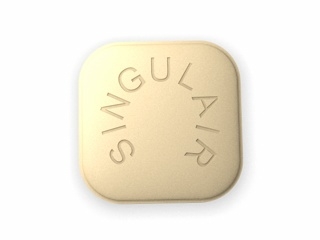


Singulair (Montelukast) – Patient Information (Australia)
Singulair contains montelukast, a medicine used to help prevent and relieve symptoms of certain breathing and allergy conditions. This page explains how Singulair works, how it’s used, common side effects, key safety information, and practical tips for daily use in Australia.
1) Basic product information
| Item | Details |
|---|---|
| Brand name | Singulair |
| Active ingredient | Montelukast |
| Medicinal form | Tablets and chewable tablets (varies by strength/age group) |
| Common dosing frequency | Usually once daily (often in the evening) |
| Therapeutic area | Leukotriene receptor antagonist (LTRA) |
Availability, pack sizes, and strengths can vary. If you’re unsure which strength or form is right for you, check your product packaging or ask your pharmacist.
2) What is Singulair (montelukast)?
Singulair (montelukast) is a leukotriene receptor antagonist. It helps reduce inflammation and narrowing of the airways caused by substances called leukotrienes. Leukotrienes are involved in asthma and allergic rhinitis (hay fever).
It is used as part of long-term symptom control in eligible people with asthma and, in some cases, for allergic rhinitis symptoms.
3) Mechanism of action (how it works)
Montelukast blocks cysteinyl leukotriene receptors (mainly the CysLT1 receptor). By blocking these receptors, it helps reduce the effects of leukotrienes, including:
- Airway inflammation
- Bronchoconstriction (tightening of the airways)
- Airway swelling
- Mucus production related to allergic and inflammatory responses
In allergic rhinitis, it can help reduce symptoms such as sneezing, runny nose, itching, and nasal congestion for some people.
4) Pharmacokinetics (what the body does to the medicine)
Understanding how montelukast behaves in the body can help explain how it’s taken and what to expect.
- Absorption: Montelukast is absorbed after oral dosing. It can be taken with or without food.
- Distribution: It distributes throughout the body and reaches sites involved in respiratory allergic responses.
- Metabolism: Montelukast is metabolised mainly in the liver by drug-metabolising enzymes.
- Elimination: The medicine is eliminated primarily via bile and faeces, with some renal elimination.
- Half-life: It generally has a relatively long duration of action, which is why it’s often taken once daily.
Individual responses can vary, especially in children, older adults, and people with liver impairment. If you have liver disease, discuss suitability and monitoring with a healthcare professional.
5) Typical use in Australia
Singulair is commonly used for the prevention of asthma symptoms in people who may benefit from leukotriene receptor antagonists. It may also be used for allergic rhinitis symptoms in appropriate patients.
It’s important to remember: Singulair is a controller/preventer medicine for ongoing symptom management in many cases, not a “rescue” medicine for sudden breathing attacks.
6) Indications (what it’s used for)
Indications can vary depending on age group, local guidelines, and the specific product formulation/strength. In general, montelukast is used for:
- Asthma (prevention and long-term control): helps reduce symptoms such as wheeze, shortness of breath, chest tightness, and coughing in people with persistent asthma.
- Exercise-induced bronchoconstriction (where suitable): it can help reduce narrowing of airways triggered by exercise for some patients.
- Allergic rhinitis (hay fever): helps relieve symptoms like sneezing, runny or blocked nose, and nasal itching for people who meet treatment criteria.
Your pharmacist can guide you to the correct product and discuss how it fits into your overall asthma/allergy plan. If you’re unsure whether montelukast is the right option for you, ask your healthcare professional.
7) Timing and how to take Singulair
Singulair is usually taken . Many people take it in the evening to help cover symptoms that may be worse at night. Follow the dosing instructions on your pack or the directions provided by your healthcare professional.
When to take it
- Once daily in the evening is a common schedule.
- If you forget a dose, take it when you remember if it’s not close to the next dose.
- Don’t double up to make up for a missed dose.
How to take it
- Tablets: swallow with water.
- Chewable tablets: chew fully before swallowing (especially for children where this is the prescribed form).
- You can take it with or without food.
8) Food interactions
Montelukast is generally considered suitable to take with or without food. Unlike some medicines that require specific timing with meals, there’s usually flexibility.
That said, maintaining consistency helps:
- Try to take it at a similar time each day.
- If you notice stomach discomfort with a particular routine, discuss options with your pharmacist.
9) Alcohol and medicine interactions
Many people can take montelukast without alcohol-related issues. However, it’s still wise to consider general precautions:
Alcohol
- There is no specific “hard stop” interaction that applies to everyone, but alcohol can worsen overall wellbeing and may trigger or worsen allergy/asthma symptoms in some individuals.
- If you notice symptoms such as coughing, wheeze, or increased nasal symptoms after drinking, avoid alcohol or reduce intake and seek advice.
Other medicines (important interactions)
Montelukast can interact with some medicines, or may be affected by medicines that influence liver metabolism. Common interaction considerations include:
- Enzyme inducers or inhibitors: medicines that affect liver enzyme activity may change montelukast levels.
- Asthma and allergy medicines: montelukast is often used alongside inhaled corticosteroids, bronchodilators, and/or allergy treatments.
- Regular medicines: always provide a complete list of medicines and supplements to your pharmacist.
If you have a complex medication regimen (for example, multiple long-term medicines or treatments for chronic conditions), ask your pharmacist to review potential interactions.
10) Dosing (general guidance)
Doses depend on the reason for use and the person’s age. Always follow the exact dose stated on your prescription/pack instructions and check with your pharmacist for the correct strength.
| Condition | Age group (typical) | Common dosing approach |
|---|---|---|
| Asthma prevention/control | Adults and adolescents | Often once daily in the evening (dose depends on product strength) |
| Asthma prevention/control | Children | Once daily dosing; chewable tablets may be used for younger age groups |
| Exercise-related symptoms (where suitable) | Often adolescents and adults | Typically once daily; timing may be evening depending on your plan |
| Allergic rhinitis | Appropriate age groups | Once daily timing commonly in the evening |
Do not change your dose or stop montelukast suddenly without medical advice. If you feel your symptoms are not controlled, speak with a healthcare professional—your asthma/allergy plan may need adjustment.
11) Safety profile and important warnings
Most people tolerate montelukast well, but like all medicines it can cause side effects. It’s especially important to be aware of potential neuropsychiatric effects reported with montelukast.
Common side effects
- Headache
- Abdominal pain, indigestion, or nausea
- Flu-like symptoms
- In some people: fever or upper respiratory symptoms
Less common but important risks
- Mood or behaviour changes: agitation, anxiety, irritability
- Sleep changes: nightmares, insomnia
- Neurologic/psychological symptoms: tremor, hallucinations (rare)
- Depression or suicidal thoughts: rare but serious
When to seek urgent help
Seek urgent medical attention if you or your child experiences:
- New or worsening depression
- Thoughts of self-harm or suicide
- Severe agitation, unusual behaviour, or hallucinations
- Any reaction that feels alarming or rapidly worsening
Allergic reactions (rare)
Get immediate help if signs of serious allergy occur, such as:
- Swelling of the face, lips, tongue, or throat
- Difficulty breathing or swallowing
- Severe rash or hives
Who should be extra cautious?
- People with a history of mental health problems
- Children and teenagers (monitor closely for behaviour/sleep changes)
- Anyone experiencing new emotional or sleep symptoms after starting montelukast
12) Practical use tips for daily success
- Set a reminder: taking it at the same time each day can improve consistency.
- Don’t rely on montelukast for sudden attacks: keep your usual reliever (e.g., a blue inhaler for asthma) available if prescribed as part of your plan.
- Track triggers: pollen seasons, dust, cold air, and exercise may affect symptoms. Use your personal asthma/allergy action plan.
- Watch for sleep and mood changes: especially in children. If you notice nightmares, insomnia, agitation, or mood changes, speak with a healthcare professional promptly.
- Keep using controller medicines: montelukast is intended for prevention in many cases; stopping other medicines without advice may worsen control.
- Use consistent inhaler technique: if you use inhalers, technique influences how well they work.
13) Alternative options
Treatment choices depend on your age, symptom pattern, severity, and personal preferences. Alternatives may include:
- Inhaled corticosteroids (ICS): often the foundation for asthma control.
- Long-acting bronchodilators: may be added in some cases as part of combination inhalers.
- Antihistamines: oral or intranasal options for allergic rhinitis symptoms.
- Intranasal corticosteroids: widely used for nasal allergy control.
- Other leukotriene receptor antagonists: there are other medicines in the same class used in some patients.
- Allergen avoidance measures: reducing exposure to triggers can improve symptoms for many people.
Your pharmacist can help you understand what options may suit you and how to compare them. If you’re considering switching, do so under medical guidance—especially for asthma.
14) Recent guidance and monitoring (Australia)
In recent years, international and Australian-focused medicines safety communications have emphasised monitoring for neuropsychiatric effects in people taking montelukast. This includes watching for changes in mood, behaviour, sleep, and rare serious mental health symptoms.
In practice, healthcare professionals commonly:
- Explain potential mental health side effects before starting montelukast.
- Advise patients and carers to monitor closely, particularly children and teenagers.
- Reassess treatment promptly if concerning symptoms occur.
- Consider alternative options if the risks outweigh benefits for a given person.
If you want the most current local safety advice, check with your pharmacist, or refer to official Australian medicines information sources.
15) Market and legal context for Australia
In Australia, medicine supply and prescribing requirements are governed by federal and state/territory regulations and by the scheduling and classification of each product. The availability of montelukast may differ by formulation and strength, and may be subject to specific supply rules.
Online pharmacies must comply with Australian pharmacy standards, privacy requirements, and relevant regulatory guidance. When ordering, ensure you select the correct product strength and follow the website’s process for medication verification and customer safety checks.
If you have questions about eligibility, ordering steps, or delivery conditions, contact the pharmacy’s support team.
16) Delivery and availability
Many Australian online pharmacies provide home delivery of medicines, with options such as standard or express shipping depending on your location. Availability may vary based on stock and the particular strength/form you need.
- In-stock items: often dispatched quickly during business days.
- Out-of-stock items: may require restocking time—ask for estimated delivery if applicable.
- Cold chain: montelukast tablets do not typically require refrigeration.
- Packaging: products are generally supplied in their original manufacturer packaging with clear labelling.
During checkout, you’ll usually be asked for delivery details and may also be prompted to confirm relevant information to ensure safe supply.
17) Frequently Asked Questions (FAQ)
How long does Singulair take to work?
Some people notice symptom improvement within days, while others may need longer for the full effect. For asthma and allergic rhinitis prevention, montelukast is generally used continuously, not only when symptoms appear. If you don’t notice benefit after the time recommended by your healthcare professional, discuss next steps.
Is Singulair the same as a reliever inhaler?
No. Singulair is not a reliever for sudden asthma attacks or immediate breathlessness. It’s typically used for prevention/control. Keep your reliever medicine and action plan as directed.
Can I take Singulair with other allergy medicines?
Often, yes. People may use intranasal steroids, antihistamines, or other allergy treatments alongside montelukast depending on symptoms. However, always check with your pharmacist if you’re combining multiple products, especially in children.
What should I do if I miss a dose?
Take it when you remember if it’s not close to your next dose. If it is near the next dose, skip the missed dose and resume your normal schedule. Do not double up.
Are there any lifestyle changes that help?
Yes. For asthma and allergies, helpful steps may include avoiding known triggers, controlling dust mites, reducing smoke exposure, and managing pollen exposure when possible. An asthma action plan can also guide what to do during symptom flares.
Can children take Singulair?
Montelukast is used in some paediatric age groups depending on the indication and product formulation. Dosing is age- and indication-specific, and carers should monitor children for sleep and behaviour changes. Consult a healthcare professional for the correct product and monitoring plan.
Does montelukast affect driving or alertness?
Most people do not experience problems with alertness. However, mood or sleep changes have been reported. If you feel drowsy, unusually alert, or experience psychological changes, avoid driving or hazardous activities and seek advice.
What if I notice mood, sleep, or behaviour changes?
Stop and seek medical advice promptly (or contact your healthcare professional) if you notice worrying changes, particularly in children and teenagers. Early review helps ensure the benefits of treatment still outweigh risks.
Can I drink alcohol while taking Singulair?
Many people can drink alcohol without direct interaction problems. Still, alcohol can worsen symptoms in some individuals. If alcohol seems to trigger your breathing or allergy symptoms, consider reducing intake and discuss with your pharmacist.
How should I store Singulair?
Store tablets/chewables according to the package instructions: keep them in a dry place at room temperature, protected from moisture, and out of reach of children.
Is it safe to stop Singulair suddenly?
Don’t stop or change the dose without professional advice. For asthma control, stopping controller medicines can lead to worsening symptoms. If you’re considering stopping due to side effects or concerns, discuss options promptly.
18) Summary
Singulair (montelukast) is a once-daily leukotriene receptor antagonist used to help prevent asthma symptoms and, for some people, manage allergic rhinitis symptoms. It blocks leukotrienes involved in airway inflammation and allergy responses. It can be taken with or without food, and timing is often planned in the evening.
As with all medicines, it has potential side effects—most commonly mild stomach upset or headache—and, rarely, serious changes in mood, behaviour, and sleep. If you notice concerning neuropsychiatric symptoms, seek prompt medical advice.
For personalised guidance on dosing, interactions with your current medicines, and suitability for your condition, speak with a qualified healthcare professional.