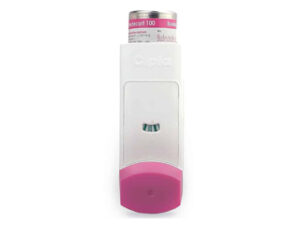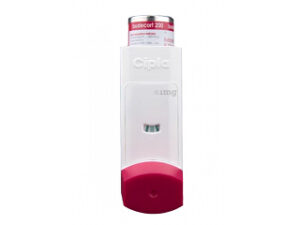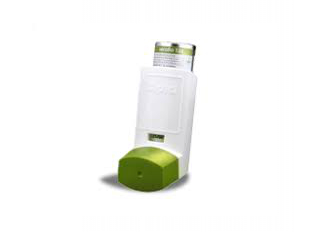


Seroflo Inhaler (Fluticasone + Salmeterol) — Patient Guide
Seroflo Inhaler contains two medicines: fluticasone (an inhaled corticosteroid) and salmeterol (a long-acting bronchodilator). It is used to help control symptoms of asthma and—depending on the prescribed formulation and local clinical approach—some chronic airway conditions associated with airway inflammation.
This guide explains how the inhaler works, when to use it, what to expect, important safety information, and practical tips for using it effectively in Australia.
At a Glance
- Medicine components: Fluticasone + Salmeterol
- Type: Combination inhaler (anti-inflammatory + long-acting bronchodilator)
- Common purpose: Ongoing control of asthma symptoms
- Key benefit: Reduces airway inflammation and helps keep airways open over time
- Important: Not for immediate relief of sudden breathing attacks
Basic Product Information
Seroflo Inhaler is an inhaled combination therapy. Because it delivers medicine directly to the lungs, it helps target the problem site more effectively than many tablets.
| Feature | What it means for you |
|---|---|
| Active ingredients | Fluticasone + Salmeterol |
| Medicine type | Inhaled corticosteroid (ICS) + long-acting beta2-agonist (LABA) |
| How it works | Reduces inflammation and helps relax airway muscles for longer symptom control |
| Typical use pattern | Regular, scheduled doses (often twice daily for many asthma plans) |
| Best for | Long-term symptom control and reduced risk of flare-ups |
| Not for | Immediate relief of sudden severe breathlessness |
Indications (What It’s Used For)
In Australia, Seroflo Inhaler is commonly used for asthma in people who need both: ongoing anti-inflammatory treatment and a long-acting bronchodilator for symptom control.
- Asthma control: Helps reduce day-to-day symptoms (such as wheeze, shortness of breath, cough)
- Prevention: Helps reduce the likelihood of asthma exacerbations when used consistently
Your exact suitability depends on your asthma severity and current symptoms. A clinician may also consider other inhaler options based on your history.
How Seroflo Works (Mechanism of Action)
1) Fluticasone (Inhaled Corticosteroid, ICS)
- Fluticasone helps reduce inflammation in the airways.
- It decreases inflammatory cell activity and mediator release that contribute to swelling and mucus.
- Over time, this leads to less airway reactivity and improved asthma control.
2) Salmeterol (Long-Acting Beta2-Agonist, LABA)
- Salmeterol relaxes the smooth muscle around airways.
- It helps keep airways open for a longer period, improving airflow and reducing symptoms.
- Because it acts on beta2 receptors, it can provide bronchodilation that lasts through the dosing interval.
Combination benefit: Fluticasone targets the inflammatory cause of asthma, while salmeterol helps manage the bronchospasm component. Using both together can provide better overall control than either component alone for appropriate patients.
Pharmacokinetics (How the Body Processes It)
Pharmacokinetics describes how the medicine is absorbed, distributed, metabolised, and eliminated. With inhalers, most of the active medicine is delivered to the lungs, but a portion may still be swallowed.
- Absorption: Fluticasone and salmeterol enter the bloodstream in small amounts from lung and swallowed doses.
- Distribution: Both components distribute into body tissues to a limited extent.
- Metabolism: Fluticasone is mainly processed by CYP3A4 enzymes in the liver.
- Excretion: Metabolites are eliminated primarily via the bile/faeces pathway.
Inhaled therapy is designed to deliver drugs primarily to the lungs, which helps limit systemic effects compared with many oral medicines, though low levels can still occur.
Typical Use and Timing
Seroflo is generally intended for regular use to maintain asthma control. Many asthma treatment plans use a twice-daily schedule, but the exact timing depends on the strength and your personal plan.
Common dosing schedule example
- Morning: Take your dose as instructed
- Evening: Take your dose as instructed
Consistency matters: Using the inhaler at the same times each day helps maintain steady control. If you miss a dose, take it when you remember unless it is close to the next scheduled dose—then return to your usual timing.
When inhaled medicines start working
- Salmeterol: Provides bronchodilation and symptom relief within hours for many people.
- Fluticasone: Anti-inflammatory effects build gradually; noticeable improvement can take days to weeks.
Even if you feel better, don’t stop suddenly unless advised, because asthma can worsen when controller therapy is stopped.
Timing With Other Inhalers
If your treatment plan includes a separate reliever inhaler (often a fast-acting bronchodilator), use it for symptoms that occur suddenly—per your action plan.
- Controller (Seroflo): used regularly for maintenance
- Reliever (e.g., salbutamol): used for immediate symptom relief
If you use more than one inhaler type, follow your clinician’s instructions about spacing between doses. In general, technique is more important than exact timing—however, separate devices should be used as directed.
Food Interactions
Because Seroflo is inhaled, food interactions are unlikely compared with oral medicines. Small amounts may be swallowed, but significant interaction with typical foods is not expected for most people.
If you are unsure about a specific supplement, herbal product, or diet plan, speak to a pharmacist.
Alcohol and Medicine Interactions
Alcohol
Moderate alcohol is not generally known to directly interact with fluticasone/salmeterol. However, alcohol can worsen asthma control for some people by triggering symptoms indirectly (e.g., via reflux, poor sleep, or sensitivity).
If you notice your breathing worsens after alcohol, discuss this with your pharmacist or clinician.
Medicine interactions (important)
Several medicines may affect the levels or effects of fluticasone, mainly through CYP3A4. Tell your pharmacist if you take any of the following categories:
- Strong CYP3A4 inhibitors (can increase fluticasone exposure), such as:
- some antifungal medicines (e.g., certain azoles)
- some antibiotics (e.g., macrolides like clarithromycin in some cases)
- some HIV medicines (in particular certain protease inhibitors)
- Other beta-agonist medicines (for asthma or other conditions): may increase side effects like tremor or palpitations
- Medicines that lower potassium (e.g., some diuretics): in some situations may increase the risk of electrolyte imbalance
- Other corticosteroids (tablets or injections): may add to steroid exposure
Interaction risk varies by person and medicine. A pharmacist can help check your current medicines and supplements.
Dosing (How Much to Use)
Dosing is individual. The dose depends on your asthma severity, previous treatment history, and the specific Seroflo strength you have. Always follow the dose and frequency given with your inhaler.
Typical regimens in asthma management often involve twice-daily dosing, but some plans may differ. If you are unsure about the strength or number of puffs, confirm with your pharmacist.
What to do if symptoms worsen
- Use your reliever inhaler if you develop sudden symptoms, as per your asthma action plan.
- If you need your reliever more often than usual, or symptoms do not improve, contact a healthcare professional promptly.
- Worsening breathlessness, chest tightness, or difficulty speaking can be an emergency—seek urgent help.
Do not increase your controller inhaler dose on your own unless advised. Overuse of long-acting bronchodilators without proper review can be unsafe.
Practical Use Tips (How to Use Seroflo Correctly)
Correct inhaler technique is one of the most important factors in getting the right amount of medicine into the lungs. If you can, have a pharmacist or nurse check your technique when you start the inhaler or if symptoms aren’t controlled.
General technique checklist
- Shake the inhaler if required by the specific device instructions.
- Exhale fully away from the mouthpiece.
- Seal your lips around the mouthpiece.
- Start to breathe in slowly while pressing the canister to release a dose.
- Continue a slow deep breath in to fill the lungs.
- Hold your breath for about 5–10 seconds (or as comfortably as you can).
- Breathe out slowly.
- If a second dose is required, wait the recommended interval and repeat.
Rinse and spit
After using Seroflo, it is recommended to rinse your mouth and spit (or brush your teeth) to help reduce the risk of thrush and hoarseness.
Common technique issues
- Not breathing in slowly enough
- Pressing the device after starting or after finishing the breath
- Leaking around the mouthpiece
- Not holding breath long enough
If you repeatedly get symptoms soon after dosing, check technique and inhaler timing, and speak to a pharmacist.
Safety Profile (What to Watch For)
Like all medicines, Seroflo can cause side effects. Many people tolerate it well, especially with correct use. Discuss any concerns promptly with a pharmacist or healthcare professional.
Common side effects
- Hoarse voice or throat irritation
- Oral thrush (fungal infection in the mouth)
- Headache
- Tremor or mild shakiness (from salmeterol in some people)
- Muscle cramps (occasionally)
Less common but important risks
- Asthma worsening if controller therapy is not used as intended or reliever use increases
- Palpitations or faster heart rate
- Low potassium (rare; risk may increase with other medicines)
- Systemic steroid effects with high doses or long-term use (rare at inhaled doses, but possible):
- bruising easily
- slower growth in children (monitoring is important)
- effects on bone density with prolonged high-dose exposure
- glucose changes in susceptible people
Seek urgent help if
- Severe or rapidly worsening breathlessness
- Difficulty speaking in full sentences
- Lips or face turning bluish
- Reliever inhaler not providing relief as usual
Special Considerations
Pregnancy and breastfeeding
Asthma control during pregnancy and breastfeeding is important. Some medicines may be preferred based on safety data and individual needs. If you are pregnant, planning pregnancy, or breastfeeding, talk with a pharmacist or clinician to ensure the treatment is appropriate.
Children and adolescents
Dosing and inhaler technique are especially important in younger people. Growth monitoring and regular asthma reviews may be recommended. If a child uses Seroflo, ensure technique is supervised and mouth rinsing is encouraged (where feasible).
Older adults
Side effects like tremor, palpitations, dizziness, and potential interactions with other medicines may occur more readily in older adults. A medication review is helpful.
Infections (e.g., chest infections)
If you develop a chest infection or fever, asthma may worsen. You may still need to use your controller inhaler, but your clinician may adjust treatment. Seek advice if symptoms change significantly.
Alternative Options
Depending on your asthma control, a pharmacist or clinician may consider alternatives such as:
- Inhaled corticosteroid alone (ICS) for people needing anti-inflammatory therapy without a LABA component
- ICS + other LABA combinations (choice depends on availability, device, and patient factors)
- Other add-on therapies for more severe asthma (specialist-directed), such as:
- leukotriene receptor antagonists
- biologic therapies for certain asthma types
- Different inhaler devices (e.g., spacer use) if technique challenges exist
If you’re switching brands or strengths, confirm the dose and inhaler technique with a pharmacist to avoid under- or over-dosing.
Market and Legal Context in Australia (What You Should Know)
In Australia, medicines are supplied through a regulated framework. Inhaled asthma medications like Seroflo are subject to the relevant Australian Therapeutic Goods Administration (TGA) standards for quality, safety, and performance. Supply also follows national pharmacy rules and clinician guidance where applicable.
This can mean that access, packaging, and dosing instructions are tailored to Australian prescribing and dispensing practices. Your pharmacy will also follow requirements around patient counselling and medication history where available.
Recent asthma guidance and how it affects use
Australian asthma care commonly emphasises:
- Using an effective controller to reduce exacerbations
- Regular review of inhaler technique, adherence, and symptom control
- Using a reliever appropriately for sudden symptoms
- Stepping therapy up or down based on control (not by trial-and-error without review)
Guidance may also encourage reviewing the specific combination and device type to match your symptoms and risk factors. If your asthma isn’t well controlled, you may need assessment rather than simple dose changes.
Delivery and Availability
Availability of Seroflo can vary by strength, pack size, and supply chain. Many Australian online pharmacies provide delivery to eligible areas within Australia.
- Stock status: Check live availability on the product page or at checkout.
- Delivery timeframes: Typically depend on the courier service and your location.
- Temperature handling: Inhalers are generally stored at controlled room temperature; follow the label instructions.
If you need Seroflo urgently (for example, your supply is running low), contact customer support so they can check delivery options.
Food, Drinks, and Day-to-Day Habits
- Rinse your mouth after each use to reduce thrush risk.
- Stay consistent with morning and evening doses.
- Use your action plan for symptom flares and know when to seek help.
- Exercise: Many people can exercise normally, but asthma symptoms may occur with triggers—prevention strategies may be advised by your clinician.
- Smoking and vaping: These can worsen asthma control and increase inflammation—stopping can significantly help.
FAQ About Seroflo Inhaler
1) Is Seroflo used for quick relief?
No. Seroflo is designed as a controller inhaler for ongoing asthma management. For sudden symptoms, use your reliever inhaler as directed in your asthma plan.
2) How long does it take to work?
Some bronchodilation from the LABA component may be noticeable within hours. The anti-inflammatory benefits of fluticasone typically build over days to weeks. If you’re not improving, review technique and consult a healthcare professional.
3) What if I miss a dose?
Take it when you remember unless it’s close to your next dose. Don’t double up. If you’re unsure, ask your pharmacist.
4) Can I use Seroflo if I have a cold or chest infection?
Often, you should continue your controller inhaler to maintain asthma control. However, asthma may worsen during infections. Seek advice if symptoms significantly increase or you need your reliever more than usual.
5) Will Seroflo cause thrush?
Thrush can occur, especially if you don’t rinse your mouth after use. Rinsing and spitting helps reduce this risk. If you notice white patches, sore mouth, or persistent hoarseness, contact a pharmacist.
6) Can I stop Seroflo when I feel better?
It’s usually not advised to stop suddenly without a plan. Symptoms may return as inflammation builds again. If you want to change or stop therapy, discuss it with a clinician or pharmacist.
7) What should I do if my inhaler technique isn’t working?
Many control problems are due to technique. Ask a pharmacist to observe your use. If needed, they may recommend a spacer or device strategy.
8) Are there any foods or drinks I should avoid?
Significant food interactions are unlikely with inhaled use. However, alcohol may trigger symptoms indirectly for some people (e.g., via reflux). Monitor your response.
9) What medicines can interact with Seroflo?
Medicines that strongly affect CYP3A4 can increase fluticasone exposure. Also mention any other asthma medicines, beta-agonists, diuretics, antibiotics, antifungals, or HIV medicines to your pharmacist.
10) When should I seek urgent medical help?
Seek urgent help for severe breathlessness, inability to speak comfortably, bluish lips/face, or reliever inhalers not providing expected relief.
Summary
Seroflo Inhaler (fluticasone + salmeterol) combines an inhaled corticosteroid with a long-acting bronchodilator to support long-term asthma control. It works by reducing airway inflammation and keeping airways open over time. For best results, use it consistently, use proper inhaler technique, and rinse your mouth after each dose.
If you experience worsening symptoms, increased reliever use, or any concerning side effects, seek advice promptly from a healthcare professional.