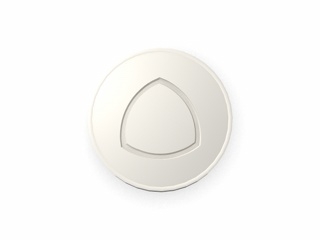

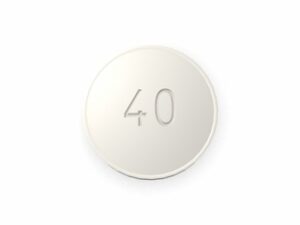
Isoptin (Verapamil) – Patient Information (Australia)
Isoptin is a brand of verapamil, a medicine used to treat certain heart rhythm problems and cardiovascular conditions. This page explains how Isoptin works, how it’s typically taken, key safety information, and what to discuss with your healthcare professional. It is written in a patient-friendly way for people in Australia.
Important: Always follow the directions given by your prescriber and the instructions on the label. This information is general and may not apply to everyone.
1) Basic product information
- Medicine name: Isoptin
- Active ingredient: Verapamil
- Medicine type: Calcium channel blocker (a “non-dihydropyridine” type)
- Common strengths: Varies by product form (immediate-release vs modified/extended-release)
- How it may be supplied: Tablets/capsules with different release profiles (your pharmacist can confirm your exact form)
Release type matters: Verapamil comes in formulations that release the medicine right away or over a longer period. Your dosing schedule may differ depending on whether you are taking an immediate-release or modified/extended-release product.
2) What verapamil does (mechanism of action)
Verapamil belongs to a class of medicines called calcium channel blockers. It works mainly on the heart and blood vessels by:
- Slowing the electrical conduction in the heart (particularly through the AV node). This can help control certain abnormal heart rhythms.
- Reducing heart rate in some situations.
- Relaxing blood vessels by blocking calcium entry into smooth muscle cells, which can lower blood pressure.
- Decreasing the heart’s oxygen demand, which may help reduce symptoms like chest pain in some people.
Because verapamil affects the heart’s electrical system, it can be especially useful in rhythm disorders, but it also means certain heart-rate and conduction problems require careful monitoring.
3) Pharmacokinetics (how the body handles verapamil)
Pharmacokinetics describes what the body does with a medicine—absorption, distribution, metabolism, and elimination.
- Absorption: Verapamil is absorbed from the gastrointestinal tract, but the extent and speed can vary by formulation.
- Bioavailability: Verapamil has variable bioavailability due to “first-pass” metabolism in the liver (the amount reaching the bloodstream after absorption can differ between individuals).
- Metabolism: Primarily metabolised in the liver. This is important for drug interactions.
- Half-life: The elimination half-life can vary; modified-release products generally last longer than immediate-release.
- Excretion: Metabolites are eliminated mainly through the kidneys (urine) and also through bile to a lesser extent.
Why this matters: Because metabolism involves the liver and can be affected by other medicines (and some foods), drug interactions can be significant. Your pharmacist can help check your current medicines and supplements.
4) Typical uses (indications) in Australia
Isoptin (verapamil) is used for several cardiovascular-related conditions, as well as some other indications depending on local availability and clinical practice.
Common indications
- Heart rhythm disorders, such as:
- Supraventricular tachycardias (fast rhythms originating above the ventricles)
- Some types of atrial flutter/fibrillation in selected patients (as determined by your clinician)
- Angina (chest pain) prevention (in certain forms, as clinically appropriate)
- Hypertension (high blood pressure) (depending on formulation and individual patient factors)
- Other uses: Verapamil may also be used for conditions such as certain forms of migraine prophylaxis or cluster headache in some settings—your clinician will advise if this applies to you.
Note: The exact indication depends on the formulation, dose, and your diagnosis. Always confirm what you are taking it for.
5) How to take Isoptin (timing and routine)
How you take Isoptin depends on whether it is immediate-release or modified/extended-release.
General timing guidance
- Take it at the same times each day to maintain steady levels.
- Do not crush or chew modified/extended-release forms unless your product information specifically allows it. Altering the release mechanism can change how the medicine works.
- If you miss a dose: Take it as soon as you remember if it’s not close to the next dose. If it’s close, skip the missed dose and resume your usual schedule. Do not take double doses.
With meals
- Many people can take verapamil with or without food, but your personal advice may differ based on your product form and tolerability.
- If you notice stomach upset, taking it with a meal may help.
Monitoring routine: Some patients require periodic checks such as blood pressure, heart rate, and sometimes an ECG—especially at the start of therapy or after dose changes.
6) Food interactions (what to watch)
Food and beverage interactions are important with verapamil. The most relevant to many people is:
- Grapefruit and grapefruit juice: Can increase verapamil levels in the body in some patients. It’s generally recommended to avoid grapefruit while taking verapamil unless your pharmacist or doctor advises otherwise.
General diet notes:
- Maintain consistent eating habits to help keep medication effects stable.
- Do not start “detox,” herbal, or high-dose supplement products without checking for interactions.
7) Alcohol and medicine interactions
Alcohol
Alcohol can increase the risk of side effects such as dizziness, lightheadedness, and low blood pressure. If you choose to drink alcohol, do so in moderation and be cautious—especially when starting treatment or after dose changes.
Medicines that may interact with verapamil
Verapamil can interact with other medicines because it affects the heart’s conduction and because it is metabolised in the liver.
Common interaction areas include:
- Other medicines that slow the heart: e.g., beta-blockers (such as metoprolol), digoxin, some antiarrhythmics. Combined effects may cause an excessively slow heart rate or heart block.
- Blood pressure medicines: the combination can increase the risk of low blood pressure.
- Antiarrhythmic medicines: may increase risk of rhythm and conduction problems—this needs clinician review.
- Some antibiotics/antifungals and antivirals: may raise verapamil concentrations.
- Some seizure medicines: may reduce verapamil levels.
- Simvastatin and other statins: certain statins may have increased levels when taken with verapamil, raising the risk of muscle-related side effects. Your clinician may adjust the statin dose or choose an alternative.
- Rifampicin and St John’s wort: may reduce verapamil effectiveness.
- Other CYP-related medicines: verapamil interacts with drug metabolism pathways; not all interactions are predictable without a review.
Always check: Tell your pharmacist about all medicines you take, including over-the-counter products (especially cold/flu remedies), vitamins, and herbal supplements.
8) Dosing overview (how doses are usually arranged)
Dosing is individual. It depends on your condition, age, kidney and liver function, heart rhythm and heart rate, and which formulation you are taking.
Typical dosing principles
- Start low and adjust carefully: Verapamil often requires dose titration to achieve benefits while reducing side effects.
- Formulation differences: Immediate-release may be dosed more frequently; modified-release may be dosed fewer times.
- Regular monitoring: Your clinician may monitor pulse, blood pressure, and ECG changes after dose increases.
Example dosing schedule (illustrative only)
Because product strengths vary and your doctor determines your exact dose, the table below is a general example structure rather than a prescription.
| Condition | Typical approach | Timing pattern | Notes |
|---|---|---|---|
| Heart rhythm control | Individualised titration | Often once or twice daily depending on formulation | ECG/heart rate monitoring may be needed |
| Angina/chest pain | Gradual adjustment | Often once or twice daily depending on formulation | May be combined with other heart medicines |
| Hypertension | Start low, adjust | Once daily for many modified-release products | Blood pressure checks are important |
Never change your dose without medical advice. If you experience fainting, severe dizziness, breathlessness, or very slow heart rate, seek urgent help.
9) Safety profile: side effects and when to get help
Most people tolerate verapamil well when it’s used correctly, but side effects can occur. The most important risks are related to heart rate and conduction and to blood pressure lowering effects.
Common side effects
- Dizziness or lightheadedness
- Headache
- Constipation (a classic and relatively common effect with verapamil)
- Swelling (oedema), especially in the lower legs/ankles
- Feeling tired or weak
- Nausea
Serious side effects (seek urgent medical help)
- Fainting or near-fainting
- Very slow heartbeat (bradycardia)
- New or worsening chest pain, severe shortness of breath, or signs of poor circulation
- Severe dizziness that doesn’t settle
- Allergic reactions such as swelling of the face/lips, trouble breathing, or widespread rash
- Severe constipation with abdominal pain or inability to pass stool/gas
Risk groups requiring extra caution
- People with existing heart block or significant conduction problems
- People with very low heart rate
- People with heart failure (your clinician will consider whether verapamil is appropriate)
- People with liver impairment (dose adjustment may be required)
Pregnancy and breastfeeding: Discuss with your healthcare professional. Decisions should weigh potential benefits and risks for mother and baby.
10) Practical use tips for daily life
- Check your pulse if advised: If you monitor heart rate, note typical readings and report unusual changes.
- Stand up slowly if you feel lightheaded: This reduces risk of dizziness and falls.
- Manage constipation early: Increase fluids, eat fibre-rich foods, and ask your pharmacist about safe stool softeners/laxatives if needed.
- Keep an updated medicine list: Bring it to appointments and update it when you add OTC medicines.
- Don’t skip ECGs/monitoring: If your clinician schedules checks, they help ensure the medicine is working safely.
- Avoid grapefruit products: Especially grapefruit juice and fresh grapefruit.
- Be careful with “heart” supplements: Many herbal or weight-loss products can affect heart rate or blood pressure.
Driving and operating machinery: If verapamil makes you dizzy or tired, avoid driving or hazardous tasks until you know how it affects you.
11) What to do if you miss a dose or take too much
If you miss a dose
- Take it when you remember unless it’s near the next scheduled dose.
- If close to the next dose, skip the missed one.
- Do not take extra tablets to “catch up.”
If you take too much (overdose)
Overdose can be dangerous and may cause severe low heart rate, low blood pressure, and heart rhythm problems. Contact Poison Information or local emergency services immediately for urgent advice.
12) Alternative options (discuss with your clinician)
Whether Isoptin is the right choice depends on your diagnosis and health history. Alternatives may include other medicines in the same or different drug classes.
Possible alternative medicine classes
- Other calcium channel blockers: Depending on your condition, clinicians may use different agents.
- Beta-blockers: Often used for rate control in some rhythm conditions.
- Other antiarrhythmics: Selected based on rhythm type and safety profile.
- For angina or hypertension: Other blood pressure/heart medicines may be used such as ACE inhibitors, ARBs, thiazide diuretics, or nitrates depending on your needs.
- For migraine prophylaxis (where relevant): Alternative preventive therapies may include other classes of medicines.
Important: Alternatives are not automatically interchangeable. Your clinician should guide any switch and monitor your response.
13) Market and legal context for Australia
In Australia, medicines like Isoptin (verapamil) are regulated under the national medicines framework. Access typically depends on the medicine’s classification and the required prescribing process.
- How medicines are dispensed: Many cardiovascular medicines require pharmacist involvement and patient counselling to support safe use.
- Safety monitoring: For heart-related medicines, monitoring (such as heart rate, blood pressure, and sometimes ECG review) is commonly recommended.
- Quality and supply: Pharmacy supply is subject to Australian regulatory requirements for medicines and approved products.
Local pharmacy support: Your pharmacist can answer questions about your specific product, how it should be taken, and potential interactions with your other medications.
14) Recent guidance and safety updates (how to stay current)
Guidance around cardiovascular medicines can evolve due to new evidence about safety, interactions, and appropriate monitoring. To ensure you have the most current advice:
- Follow updates from your healthcare professional and keep your medicine information leaflet.
- Ask your pharmacist whether any recent warnings apply to your specific formulation.
- Review changes whenever you add a new medicine (including antibiotics, antifungals, antiflammatory drugs, and OTC cold/flu products).
If you’d like, you can share your current medicines (names and doses), and your pharmacist can help check for likely interactions with verapamil.
15) Delivery and availability
Availability depends on the specific strength and release type of your Isoptin product. Most online pharmacies in Australia aim to:
- Verify the exact product you need (brand, strength, and formulation)
- Provide delivery options that suit your location
- Maintain safe storage and compliant handling practices
Delivery times: Delivery can vary based on stock status and your area. At checkout, the pharmacy website should display expected delivery estimates.
Stock updates: If a specific strength is unavailable, the pharmacy may offer alternatives or contact you (this varies by service).
16) FAQ – Frequently asked questions
1. Is Isoptin the same as verapamil?
Yes. Isoptin is a brand name that contains verapamil as the active ingredient.
2. What is the difference between immediate-release and modified-release verapamil?
Immediate-release formulations release the medicine quickly and may require more frequent dosing. Modified/extended-release versions release medicine more slowly for longer effect. Do not crush or chew modified-release products unless your product directions specifically permit it.
3. How long does it take to work?
Some effects (such as heart rate control) may occur relatively quickly, while full benefits for blood pressure or chest pain prevention may take days to weeks. Your clinician may adjust dosing based on your response and monitoring results.
4. Can I drink grapefruit juice?
It’s generally recommended to avoid grapefruit (including grapefruit juice) because it can increase verapamil levels and raise the risk of side effects.
5. What should I do if I feel dizzy after starting Isoptin?
Dizziness can happen, especially when starting treatment or increasing the dose. Sit or lie down, avoid driving, and contact your pharmacist or clinician promptly. Seek urgent help if you faint or have severe symptoms.
6. Does Isoptin cause constipation?
Yes, constipation is a well-known and common side effect. Increasing fluids and fibre can help, and your pharmacist may recommend suitable bowel-support options.
7. Can Isoptin be taken with other heart medicines?
It can be, but combinations require care. Some heart medicines increase the risk of slow heart rate or conduction problems. Always review all medicines with your pharmacist.
8. What are the signs that my heart rate is too low?
Possible signs include unusual tiredness, dizziness, fainting, weakness, or feeling “washed out.” If you notice severe symptoms or fainting, seek urgent medical care.
9. Can I stop Isoptin suddenly?
Do not stop abruptly without medical advice. Stopping suddenly may worsen control of your condition. If you’re considering stopping, discuss a safe plan with your healthcare professional.
10. How should I manage missed doses?
If you miss a dose, take it when you remember unless it’s close to your next dose. Otherwise, skip and resume your usual schedule. Do not take a double dose.
Disclaimer
This page provides general information about Isoptin (verapamil) for people in Australia. It does not replace medical advice, diagnosis, or treatment planning. If you have questions about your specific situation, please speak with a healthcare professional or pharmacist.