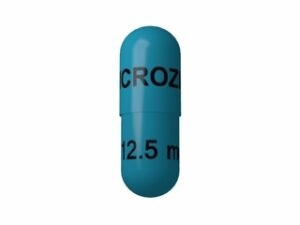
Lozol (Indapamide) — Patient-Friendly Guide (Australia)
Lozol is a brand of indapamide, a medicine used to treat certain fluid-related and blood pressure conditions. If you’ve been prescribed Lozol, this page explains how it works, when to take it, important safety considerations, and how it may interact with food, alcohol, and other medicines—so you can use it more confidently.
Important: Always follow your healthcare professional’s instructions. Individual dosing and monitoring can vary based on your health history and test results (especially kidney function and electrolyte levels).
Quick Product Information
| Category | Details |
|---|---|
| Medicine | Lozol (indapamide) |
| Drug type | Thiazide-like diuretic (often called a “water tablet”) |
| Main uses | High blood pressure; oedema related to fluid retention (as advised) |
| Common form | Oral tablet (formulation may be immediate- or modified-release depending on local product) |
| How it’s taken | Usually once daily, often in the morning |
| Key monitoring | Blood pressure, kidney function, potassium and sodium levels |
How Lozol Works (Mechanism of Action)
Indapamide is a diuretic that helps your kidneys remove extra salt (sodium) and water from the body. Unlike some other diuretics, indapamide is often described as thiazide-like and may also have effects on blood vessels.
- Kidney effects: It reduces sodium reabsorption in the kidney tubules, leading to increased urine output.
- Blood pressure effects: Over time, lower sodium levels and changes in vascular tone can help reduce blood pressure.
- Fluid balance: By decreasing fluid retention, it may help manage certain causes of oedema (fluid swelling), when appropriate.
What you may notice: You might urinate more after taking a dose. Blood pressure lowering usually becomes more noticeable over several days, though full benefit may take longer.
Pharmacokinetics (How the Body Handles It)
Pharmacokinetics describe what happens after you swallow a dose—absorption, distribution, metabolism, and elimination.
- Absorption: Indapamide is absorbed from the gastrointestinal tract after oral administration.
- Peak effects: The time to peak concentration depends on the formulation (immediate- vs modified-release) and individual factors.
- Distribution: The medicine circulates in the bloodstream and distributes to body tissues.
- Metabolism: It is metabolised primarily in the liver (metabolic pathways may vary).
- Elimination: Indapamide and its metabolites are removed mainly via the kidneys and through bile.
Clinical significance: Because indapamide affects kidneys and electrolyte balance, monitoring kidney function and electrolytes is important—especially in older adults or people with existing kidney conditions.
Typical Uses in Australia
Lozol (indapamide) is commonly used for:
- Hypertension (high blood pressure): To lower blood pressure and reduce cardiovascular risk.
- Fluid retention/oedema: In some clinical situations, as part of a broader plan (depending on diagnosis and other treatments).
Note: The exact indication and suitability depend on your individual medical condition and overall regimen.
When to Take Lozol (Timing and Routine)
Many people take indapamide once daily, often in the morning.
- Why morning? Diuretics can increase urination. Taking it earlier can help reduce nighttime trips to the toilet.
- Consistency matters: Try to take it at the same time each day.
- With or without food: Indapamide can generally be taken with or without food (see the food interaction section for more details on what to consider).
- If you miss a dose: Take it when you remember on the same day. If it is close to the next dose, skip the missed dose—do not double up.
Tip: If nocturia (night-time urination) is a problem, speak with your healthcare professional rather than stopping suddenly.
Food Interactions and Dietary Considerations
Food interactions for indapamide are usually not dramatic, but certain dietary patterns can affect electrolyte levels and blood pressure.
- Salt (sodium) intake: High-salt diets can make blood pressure harder to control and may counteract the medicine’s effect.
- Potassium intake: Indapamide can lower potassium. Some people benefit from dietary potassium (e.g., fruits, vegetables), but this must be balanced against kidney function and other medicines. Do not start potassium supplements unless advised.
- Grapefruit/citrus: There’s no universal requirement to avoid grapefruit with indapamide, but ingredient-specific interactions can exist with some medicines. If you’re unsure, check your full medicine list.
- Alcohol and dehydration: Food and alcohol together can increase dehydration risk (see below).
Practical dietary approach: Maintain a consistent diet, limit very high-sodium foods (e.g., processed and fast foods), and attend scheduled blood tests.
Alcohol Interactions
Alcohol may increase the risk of side effects such as dizziness or
- Dehydration risk: Alcohol can contribute to fluid loss. Combined with diuretic effects, this may lead to weakness, headaches, or feeling faint.
- Low blood pressure: Alcohol can intensify the blood pressure-lowering effect.
- Safer use: If you drink alcohol, do so in moderation and monitor how you feel—particularly when standing up.
If you experience frequent fainting, severe dizziness, or symptoms of dehydration (e.g., very dry mouth, reduced urination), contact your healthcare provider promptly.
Medicine Interactions (Including Common Ones)
Indapamide can interact with other medicines, mainly through effects on blood pressure, kidney function, or electrolyte levels.
1) Medicines that can affect potassium and sodium
- Other diuretics (including combination “water tablets”): may increase risk of electrolyte imbalance.
- Digoxin: low potassium can increase digoxin-related side effects.
- Lithium: indapamide may increase lithium levels and toxicity risk.
- Some laxatives (when overused): can further lower potassium.
2) Blood pressure and circulation medicines
- ACE inhibitors, angiotensin receptor blockers (ARBs), and other antihypertensives: may have additive blood-pressure lowering effect.
- Nitrates and some medications for erectile dysfunction: may increase dizziness risk.
3) Kidney-impacting medicines
- NSAIDs (e.g., ibuprofen, naproxen, diclofenac): may reduce diuretic effect and can affect kidney function, especially in older adults or when dehydrated.
- Contrast agents used in imaging: may increase kidney strain; discuss your medicines before scans if needed.
4) Diabetes and glucose-related medicines
- Antidiabetic medicines (insulin and some tablets): indapamide may affect glucose control in some people. Regular monitoring is important.
5) Gout medicines
- Uric acid / gout risk: Some diuretics can increase uric acid levels, which may affect gout. Your clinician can adjust gout management if required.
Always tell your pharmacist or doctor about all medicines you take—prescription and non-prescription, including herbal products and supplements.
Dosing: How Much and How to Use It Safely
Dosing depends on the condition being treated, your kidney function, age, and how you respond to therapy.
- Typical regimen: Often once daily, commonly in the morning.
- Starting dose: Your healthcare professional will choose a starting dose based on your needs.
- Adjustments: Dose changes are usually based on blood pressure response and blood test results (electrolytes and kidney function).
How to take tablets:
- Swallow with water.
- Follow the label and your healthcare plan.
- If you’re using a modified-release product, do not crush or break unless the product information explicitly allows it.
Do not stop suddenly: Stopping abruptly may lead to reduced blood pressure control and symptom changes. If you want to discontinue, discuss it with your healthcare professional first.
Safety Profile and Side Effects
Most people tolerate indapamide well, but like all medicines it can cause side effects. Some are mild and temporary; others require urgent attention.
Common side effects
- Increased urination (especially after the dose)
- Dizziness or light-headedness
- Headache
- Muscle cramps or weakness (may relate to electrolyte changes)
- Fatigue
Important possible side effects (require monitoring)
- Electrolyte imbalance (e.g., low potassium, low sodium)
- Changes in kidney function (particularly if dehydrated or in kidney impairment)
- Changes in blood sugar in some people with diabetes
- Increased uric acid (may affect gout)
Seek urgent medical help if you have
- Severe or persistent dizziness/fainting
- Signs of severe dehydration (confusion, extreme weakness, very low urine output)
- Severe muscle weakness, spasms, or palpitations
- Allergic reaction symptoms (swelling of face/lips, rash, difficulty breathing)
Practical Use Tips (Making Lozol Easier)
- Stay hydrated appropriately: Don’t over-drink to counteract diuresis, but aim for sensible fluid intake unless your clinician has advised fluid restriction.
- Stand up slowly: Rise gradually to reduce dizziness, especially when getting out of bed or a chair.
- Monitor blood pressure: Consider home blood pressure readings and keep a log to review with your clinician.
- Attend blood tests: Regular electrolyte and kidney function checks help prevent complications.
- Watch for medication “stacking”: If you take multiple medicines that affect kidney function (e.g., NSAIDs plus diuretics), ask your pharmacist about safety.
- Keep a symptom diary: If you notice muscle cramps, unusual fatigue, or frequent dizziness, note timing and severity to discuss promptly.
Alternative Options (If Lozol Is Not Suitable)
If indapamide isn’t appropriate due to side effects, interactions, or your specific health condition, your clinician may consider other options for blood pressure or fluid control.
Common classes used for high blood pressure
- ACE inhibitors (e.g., perindopril, enalapril)
- ARBs (e.g., losartan, valsartan)
- Calcium channel blockers (e.g., amlodipine)
- Beta-blockers (e.g., metoprolol)
- Other diuretics (e.g., hydrochlorothiazide or loop diuretics such as furosemide), depending on the condition
Which alternative is best? It depends on your kidney function, electrolyte levels, heart condition, diabetes status, and other medicines. Discuss options with your clinician before changing therapy.
Market and Legal Context in Australia (What This Means for You)
In Australia, medicines are regulated under the Therapeutic Goods Administration (TGA). Brand availability, product presentations, and prescribing/dispensing rules depend on TGA scheduling and local supply arrangements.
- Brand vs generic: Lozol contains indapamide. Generic indapamide products may be available depending on market supply.
- Safety oversight: Blood test monitoring and medicine reviews are part of safe long-term use for diuretics.
- Pharmacy supply: Availability can vary between pharmacies and online dispensaries based on stock and product presentations.
Recent guidance and monitoring trends: In routine practice, clinicians often emphasise careful monitoring of electrolytes (especially potassium and sodium) and kidney function, and reviewing interacting medicines (e.g., NSAIDs). Follow the most current advice from your healthcare team and the product information for your specific Lozol formulation.
Delivery and Availability (Online Pharmacy Considerations)
Availability of Lozol may depend on current supply in Australia, including stock levels and which formulation (strength and release type) is requested.
- Ordering: Ensure you select the correct strength and formulation as directed.
- Dispatch timing: Delivery times vary by location and courier arrangements.
- Packaging: Medicines are typically supplied in original packaging to maintain traceability and safety information.
If you need a repeat supply or have questions about stock, delivery times, or expected dispatch windows, contact the pharmacy support team listed on the website.
FAQ: Common Questions About Lozol (Indapamide)
1) What is Lozol used for?
Lozol (indapamide) is mainly used for high blood pressure. In some cases, it may also be used to help manage fluid retention depending on your diagnosis and treatment plan.
2) How fast does it start working?
You may notice increased urination after taking a dose. Blood pressure improvement typically occurs over several days, with best effect developing as therapy continues and as your body adjusts.
3) Should I take Lozol with food?
It is usually taken with or without food. If your stomach feels unsettled, taking it with a meal may help. Follow the product instructions for your specific formulation.
4) Why am I dizzy when standing up?
Dizziness can happen because indapamide lowers blood pressure and can slightly reduce fluid volume. Rise slowly, especially in the morning or when changing positions. If dizziness is severe or persistent, speak with a healthcare professional.
5) Will Lozol affect my potassium levels?
Yes. Indapamide can lower potassium in some people. This is why blood tests are important. Do not take potassium supplements unless your clinician advises it, especially if you have kidney problems or take other medicines that affect potassium.
6) Can I drink alcohol while taking Lozol?
Alcohol may increase the chance of dizziness or low blood pressure. If you drink, use moderation and monitor how you feel. Avoid heavy drinking and be mindful of dehydration.
7) What if I miss a dose?
Take it when you remember on the same day. If it’s close to the next dose, skip the missed dose. Do not double up.
8) Can I take ibuprofen or other pain relievers?
Some pain relievers, especially NSAIDs (like ibuprofen), may affect kidney function and reduce diuretic effectiveness. Talk to your pharmacist or clinician before using NSAIDs regularly, particularly if you’re older, have kidney disease, or are prone to dehydration.
9) Is Lozol safe for older adults?
Many older adults use indapamide safely, but they may be more sensitive to blood pressure changes and electrolyte shifts. Close monitoring of kidney function and electrolytes is especially important.
10) What lab tests might I need?
Clinicians commonly monitor electrolytes (including sodium and potassium) and kidney function (such as creatinine/eGFR). Frequency varies based on your condition and stability.
Summary
Lozol (indapamide) is a thiazide-like diuretic used primarily for high blood pressure and, in selected situations, for fluid-related issues. It works by helping the kidneys remove salt and water, which supports blood pressure control. Because it can affect electrolytes and kidney function, regular monitoring and careful attention to timing, hydration, and interacting medicines are important.
If you have questions about whether Lozol is suitable for you, or you notice symptoms such as dizziness, muscle cramps, or signs of dehydration, contact your healthcare provider promptly.