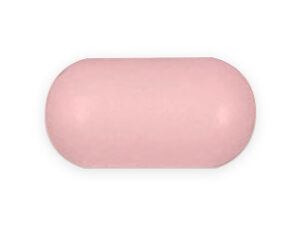
Ezetimibe (Australia) – Patient-Friendly Guide
Ezetimibe is a cholesterol-lowering medicine used to help reduce “bad” cholesterol and lower the risk of cardiovascular problems in people who need additional lipid control. This guide explains how ezetimibe works, how it’s typically used, what to expect, and key safety and interaction information in a clear, practical way for customers in Australia.
Quick product information
| Item | Details |
|---|---|
| Generic name | Ezetimibe |
| Medicines class | Cholesterol absorption inhibitor (intestinal sterol transporter blocker) |
| How it’s taken | Oral tablet (usually once daily) |
| Common uses | High LDL-cholesterol (alone or with a statin); certain inherited cholesterol conditions |
| Typical onset | Cholesterol levels can begin to improve within days; best assessed after several weeks |
| Key monitoring | Lipid profile; liver blood tests in some situations (especially if combined with statins) |
What is ezetimibe?
Ezetimibe is a medicine that helps lower LDL-cholesterol by reducing the absorption of cholesterol from the small intestine. In simple terms, it “blocks” a specific transport pathway in the gut so less dietary and bile-derived cholesterol enters your bloodstream.
In many treatment plans in Australia, ezetimibe is used:
- as an add-on to a statin when LDL goals are not met with statin therapy alone, or
- as an alternative option when statins are not suitable or are not tolerated, or
- in certain inherited conditions involving high LDL cholesterol.
How ezetimibe works (mechanism of action)
Cholesterol in the digestive tract is absorbed through transporters in the intestinal wall. Ezetimibe targets the NPC1L1 transporter (Niemann–Pick C1-like 1) in the small intestine.
- Blocks intestinal cholesterol uptake (both from food and bile).
- Reduces cholesterol delivery to the liver, which helps the liver pull more cholesterol out of the blood.
- Helps lower LDL-cholesterol and can also modestly reduce non-HDL cholesterol.
Importantly, ezetimibe does not primarily work by stopping cholesterol production in the body (that’s mainly what statins do). This is why it can complement statins.
Pharmacokinetics (how your body handles it)
Understanding how ezetimibe moves through the body can help you take it correctly.
- Absorption: Ezetimibe is absorbed after oral dosing, but only a portion reaches the bloodstream as the active medicine.
- Major active form: Ezetimibe is extensively metabolised in the body to form an active metabolite (ezetimibe’s glucuronide).
- Time to effect: Blood levels rise after dosing; cholesterol-lowering effects are typically evaluated with blood tests over a few weeks.
- Half-life: The active forms have an elimination half-life that supports once-daily dosing for most people.
- Elimination: The medicine and metabolites are eliminated mainly via the bile and gut, with a smaller portion via urine.
If you have liver disease or abnormal liver blood tests, clinicians may adjust the plan or monitor more closely.
Typical uses and indications
Ezetimibe is used to treat conditions where lowering LDL cholesterol is beneficial.
Common indications
- Primary hypercholesterolaemia (high LDL cholesterol), including mixed dyslipidaemia, usually alongside lifestyle changes.
- When used with a statin to improve LDL reduction in people who need more than a statin alone can provide.
- When used alone for people who cannot take a statin or have intolerance to statins, depending on individual clinical assessment.
- Homozygous familial hypercholesterolaemia or other specific inherited lipid disorders, as determined by your clinician.
Timing and how to take ezetimibe
Ezetimibe is usually taken once daily by mouth. Many people choose a routine time that fits their day (for example, with breakfast or at night).
When to take it
- Once daily: Take it at the same time each day when possible.
- Consistency matters: Missing doses can reduce cholesterol-lowering benefits.
If you miss a dose
- Take it when you remember on the same day.
- If it is close to the next dose, skip the missed dose and continue with your usual schedule.
- Do not double up to make up for a missed tablet.
Food interactions (does it matter if you take it with meals?)
Ezetimibe can generally be taken with or without food. Many people find it easiest to remember when linked with a meal.
- No special fasting requirement: You do not usually need to avoid food.
- Stomach tolerance: If you experience mild nausea or stomach upset, taking it with a meal may help.
Alcohol and medicine interactions
Alcohol does not have a classic direct “interaction” with ezetimibe in the way some medicines do, but it may still affect safety—especially for your liver and overall cardiovascular health.
Alcohol
- Moderation is recommended.
- If you have liver disease, drink alcohol cautiously and discuss your situation with a healthcare professional.
- Heavy alcohol intake may increase the risk of abnormal liver function tests and complicate monitoring.
Medicine interactions (key considerations)
Ezetimibe has fewer interactions than some other lipid medicines, but it’s still important to check before combining with other products.
- Statins: Many patients take ezetimibe together with a statin. This combination generally has clear clinical benefit, but it requires attention to muscle symptoms and potential liver enzyme changes.
- Bile acid sequestrants (e.g., cholestyramine/colestipol): These medicines bind substances in the gut and can reduce the amount of ezetimibe absorbed. A clinician/pharmacist may recommend spacing doses (often by several hours) to minimise reduced absorption.
- Antacids: Most common antacid use is not a major issue, but if you use regular or high-dose products, it’s worth asking a pharmacist for individual advice.
- Other cholesterol medicines: If you are using other lipid-lowering therapies, your lipid targets and monitoring plan may differ.
Always share a full list of medicines and supplements—including “natural” or herbal products—so your pharmacist can check for potential interactions.
Dosing (typical adult dosing)
Dosing is individualised based on your diagnosis, response, and whether ezetimibe is used alone or with other lipid-lowering medicines.
Usual dose
- Adults: commonly 10 mg once daily.
Combination therapy
When used with a statin, the statin dose will be determined separately. Ezetimibe typically remains at the standard once-daily dose unless instructed otherwise.
Special populations (important)
- Liver impairment: Some liver conditions may affect how safe ezetimibe is, and clinicians may monitor liver function more closely or avoid it in certain situations.
- Kidney impairment: Ezetimibe is generally used without major dose changes for many patients, but your clinician will decide based on overall risk.
- Children/adolescents: Dosing and suitability depend on the specific indication and age. Your healthcare provider will confirm the appropriate regimen.
For the most accurate dosing for you, follow the directions provided with your specific product and healthcare plan.
Safety profile and side effects
Like all medicines, ezetimibe can cause side effects. Many people tolerate it well, particularly when used as directed. Below is an overview of common and important possible effects.
Common side effects
- Headache
- Stomach or digestive symptoms (such as abdominal discomfort, diarrhoea, or nausea)
- Fatigue
- In some patients, mild increases in certain blood test results may occur (monitored by your clinician)
Serious or urgent symptoms (seek medical advice)
Although uncommon, you should get medical help promptly if you experience:
- Signs of liver problems such as yellowing of the eyes/skin (jaundice), dark urine, or severe upper abdominal pain.
- Muscle symptoms including severe muscle pain, tenderness, weakness, or fever—especially if you are taking a statin as well.
- Allergic reactions such as swelling of the face/lips, rash with breathing difficulty, or widespread hives.
Monitoring
- Lipid profile: usually checked after starting or adjusting therapy to confirm it is working.
- Liver blood tests: may be checked, especially when ezetimibe is combined with statins or if you have liver-related risk factors.
- Muscle-related evaluation: if you develop muscle symptoms, your clinician may order blood tests (e.g., creatine kinase) as appropriate.
Practical use tips for best results
- Stick to a routine: Pick a time of day you can remember (same time daily).
- Keep taking lifestyle steps: Ezetimibe works best alongside healthy eating, regular physical activity, and not smoking.
- Know your targets: Ask your clinician what LDL cholesterol goal you’re aiming for and when you’ll re-test.
- Watch for side effects: If you develop muscle pain or signs of liver problems, contact your healthcare team promptly.
- Review medications regularly: If you start, stop, or change dose of another medicine, re-check interactions with your pharmacist.
- Do not stop suddenly: If you feel well, continue unless your clinician advises otherwise—cholesterol benefits depend on ongoing therapy.
Alternative options (if ezetimibe is not suitable)
Depending on your cholesterol type, risk factors, and tolerance, doctors may consider alternatives or additions such as:
- Statins (e.g., atorvastatin, rosuvastatin, simvastatin): first-line for many people.
- Other cholesterol absorption agents: in some cases, different approaches may be used, though ezetimibe is a common choice.
- Bile acid sequestrants (older but sometimes used): may be an option for specific individuals; timing interactions with ezetimibe may be needed.
- PCSK9 inhibitors and similar advanced therapies: typically for high-risk patients or specific inherited disorders.
- Fibrates: more targeted to triglycerides and certain lipid patterns.
- Omega-3 fatty acids (and prescription formulations in specific contexts): mainly for high triglycerides.
Your clinician will choose options based on your LDL goals, overall cardiovascular risk, other conditions, and personal medicine tolerance.
Market and legal context in Australia (plain-language overview)
In Australia, ezetimibe is a registered medicine supplied through community pharmacies. Availability may vary by brand and strength, and some products may be listed on the Pharmaceutical Benefits Scheme (PBS) for eligible patients depending on specific criteria. Prices and eligibility can change, so your pharmacist can confirm current details for your situation.
Supply is governed by Australian medicine regulations, including requirements for pharmacist involvement and safe dispensing practices. Always use the product label and directions provided with your medicine.
Recent guidance and clinical approach (high-level)
Australian lipid management generally emphasises:
- Assessing overall cardiovascular risk and selecting therapy accordingly.
- Using statin-based strategies when appropriate, often combined with additional lipid-lowering therapy if LDL targets are not reached.
- Monitoring safety (including liver function when relevant and evaluating muscle symptoms, particularly with combination therapy).
Ezetimibe remains a widely used add-on option because it has a different mechanism to statins and can help patients reach LDL goals.
Delivery and availability (online pharmacy basics)
When ordered online in Australia, ezetimibe availability depends on the specific brand, strength, and stock levels. Delivery times can vary by location and shipping method, and your order may be processed by a registered pharmacy team.
- Check product strength and form: confirm the dosage and tablet strength you’re ordering.
- Allow processing time: some orders require identity and dispensing checks.
- Track your delivery: many pharmacies provide tracking information once dispatched.
If you need help selecting the right product or want to confirm your order details, contact the pharmacy team before placing the order.
Frequently asked questions (FAQ)
1) Does ezetimibe lower LDL cholesterol quickly?
Many people see cholesterol improvements within days to weeks. Clinicians typically check your lipid profile after a period of consistent use (often several weeks) to assess how well treatment is working.
2) Can I take ezetimibe with food?
Yes. Ezetimibe can generally be taken with or without food. Taking it with a meal may help if you experience mild stomach upset.
3) What if I take a bile acid sequestrant?
Some cholesterol-binding medicines can reduce ezetimibe absorption. Your pharmacist may recommend spacing the doses by a few hours to minimise the interaction.
4) Is ezetimibe safe to use with a statin?
Ezetimibe is commonly used with statins and is generally well tolerated. However, the combination can be associated with muscle-related symptoms or liver enzyme changes in some people. Seek medical advice if you develop severe muscle pain, weakness, dark urine, or symptoms suggestive of liver problems.
5) Do I need blood tests while taking ezetimibe?
Often, yes—at least lipid testing to confirm effectiveness. Liver blood tests may be considered, particularly if you are taking a statin or have liver-related risk factors. Your clinician will advise what’s appropriate for you.
6) Can I drink alcohol while taking ezetimibe?
Moderate alcohol use is generally possible for many people, but alcohol may affect your liver and overall health. If you have liver disease or abnormal liver tests, discuss safe alcohol limits with your healthcare team.
7) What should I do if I miss a dose?
Take it when you remember the same day. If it’s close to your next scheduled dose, skip the missed dose—do not double. Continue your normal daily routine.
8) How long will I need to take ezetimibe?
Cholesterol risk usually requires ongoing management. Many people take ezetimibe long term as part of a cardiovascular prevention plan, but the exact duration should be confirmed with your clinician based on your response and risk profile.
9) What are the signs of a serious side effect?
Contact a healthcare professional urgently if you have jaundice (yellow skin/eyes), dark urine, severe abdominal pain, signs of a severe allergic reaction (swelling, breathing difficulty), or severe muscle pain/weakness.
10) Are there alternatives to ezetimibe?
Yes. Depending on your cholesterol levels and risk factors, alternatives may include statins, other lipid-lowering medicines (such as bile acid sequestrants, fibrates, or PCSK9 inhibitors), or combination strategies. Your healthcare provider can help decide what’s best.
Conclusion
Ezetimibe is an intestinal cholesterol absorption inhibitor that can help lower LDL cholesterol, often used alone or in combination with other lipid-lowering therapies. By understanding how it works, taking it consistently once daily, and monitoring for side effects—especially when combined with statins—you can make treatment more effective and safer. If you have questions about your specific regimen, interactions, or monitoring schedule, speak with your pharmacist or healthcare team.