
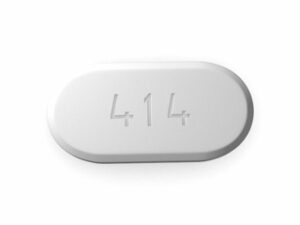

Fenofibrate (Australia) — Patient-Friendly Medicine Information
Fenofibrate is a medicine used to help manage high cholesterol and high triglycerides (blood fats). It belongs to a class of medicines called fibrates. In Australia, fenofibrate is commonly used when cholesterol and triglyceride levels remain high despite lifestyle efforts such as diet, exercise, and weight management.
This guide explains how fenofibrate works, how it behaves in the body, common uses, how to take it safely, potential interactions (including alcohol), safety considerations, and what patients often ask when buying or using fenofibrate via an online pharmacy.
Basic Product Information
- Medicine name: Fenofibrate
- Medicine class: Fibrate (lipid-regulating medicine)
- Common forms: Tablets/capsules depending on brand and strength
- Common strengths: Vary by product (follow the specific package or label)
- How it is used: Taken daily, often with food (depending on the product)
- Where it helps most: Lowering triglycerides and improving overall lipid profile
Important: Always use the exact product and strength supplied to you. Different fenofibrate brands may have different release characteristics and dosing instructions.
How Fenofibrate Works (Mechanism of Action)
Fenofibrate helps improve blood lipid levels mainly by activating a natural regulatory pathway in the liver known as the PPAR-α (peroxisome proliferator-activated receptor alpha) pathway.
In practical terms, fenofibrate can:
- Increase breakdown of triglycerides by enhancing the activity of enzymes involved in fat metabolism.
- Reduce triglyceride levels and, in many people, improve HDL (“good” cholesterol).
- Decrease VLDL (very-low-density lipoprotein), which carries triglycerides in the blood.
- Lower LDL (“bad” cholesterol to a lesser degree than triglycerides (varies by individual and baseline lipid levels).
The overall effect is a healthier lipid profile, which may reduce the risk of complications linked to long-term abnormal cholesterol levels.
Pharmacokinetics (What the Body Does to Fenofibrate)
“Pharmacokinetics” describes how the medicine is absorbed, distributed, metabolised, and eliminated. Exact timing can differ by product formulation (immediate vs modified release), but the general patterns are:
- Absorption: Fenofibrate is absorbed from the gastrointestinal tract. Many products are designed to be taken with food to support consistent absorption.
- Metabolism: Fenofibrate is largely converted to an active metabolite (commonly referred to as fenofibric acid).
- Distribution: It acts primarily in the liver and influences lipid-regulating pathways.
- Elimination: The active metabolite is primarily cleared via the kidneys. This is why kidney function matters when choosing a dose.
- Onset: Lipid improvements typically take several weeks; clinicians usually reassess blood results after a period of consistent use.
If you have kidney impairment, your dose and monitoring may need adjustment.
Typical Use in Australia
Fenofibrate is used to treat lipid disorders, particularly when triglycerides are high. It may be used alone or alongside other lipid-lowering strategies depending on your overall risk profile and lab results.
Common clinical goals include:
- Reducing triglycerides (especially if they are markedly elevated)
- Improving cholesterol fractions such as HDL and VLDL
- Lowering risk related to abnormal lipids as part of long-term cardiovascular risk management
Indications (When Fenofibrate Is Used)
In general terms, fenofibrate is indicated for conditions such as:
- Hypertriglyceridaemia (high triglycerides), including when triglycerides are very high and there is an increased concern for complications such as pancreatitis.
- Mixed dyslipidaemia (mixed cholesterol abnormalities) where triglycerides are a major problem.
- Dyslipidaemia in certain patients as part of a comprehensive plan to manage cardiovascular risk.
Your healthcare team will decide whether fenofibrate is appropriate based on your blood test results, other medical conditions, and possible interactions with current medicines.
Dosing: How Much and How Often
Dosing depends on the specific product, strength, your kidney function, and how you respond to treatment. Always follow the directions on the label provided by your pharmacy.
General dosing principles:
- Once daily is commonly used for many fenofibrate formulations.
- If your doctor prescribes a dose based on labs, keep the timing consistent each day.
- Kidney impairment: Dose may be reduced, and monitoring may be more frequent.
- Adjustments: Blood tests may be repeated after starting or changing dose to guide ongoing therapy.
Practical example: If you are told to take fenofibrate once daily with food, take it at approximately the same time each day. If your product label specifies “with meals,” follow that exactly.
Timing: When to Take Fenofibrate
Food-related timing can be important with fenofibrate. Many fenofibrate products are recommended to be taken with food to improve absorption and reduce variability.
Follow your product’s instructions. If your label says:
- “With food” — take it during or immediately after a meal.
- “With meals” — take it with your main meal (often the evening or breakfast depending on your schedule).
- “Once daily at the same time” — choose a consistent daily routine.
If you miss a dose, take it when you remember unless it is close to the next dose. Avoid taking double doses. Check the specific guidance on your product leaflet or contact your pharmacist.
Food Interactions (Including Absorption and Performance)
Fenofibrate’s absorption can be affected by food for some formulations. This is why taking it with food is often recommended.
Patient-friendly guidance:
- Take with food if instructed: This helps ensure consistent absorption.
- Keep meals consistent: If you frequently change between fasting and eating, talk to your pharmacist.
- Do not take with grapefruit juice unless advised: While fibrates are not strongly known for grapefruit interactions like some other drug classes, it’s safest to follow product guidance and avoid unnecessary variability.
Fenofibrate is not usually affected by specific “single foods,” but maintaining a lipid-lowering diet overall is essential.
Alcohol and Medicine Interactions
Drinking alcohol can worsen triglycerides and may affect liver health. Because fenofibrate acts on lipid pathways and is metabolised through the body, it’s generally wise to be cautious with alcohol.
Key points:
- Alcohol can increase triglycerides: Heavy or regular alcohol intake may undermine the benefits of fenofibrate.
- Liver considerations: Fenofibrate can, in some people, affect liver enzymes. Alcohol may add stress to the liver.
- Pancreatitis risk: Very high triglycerides are associated with pancreatitis risk. Alcohol can be a contributing factor.
If you drink alcohol, discuss an appropriate level with your healthcare provider. A common safe approach is limiting intake and avoiding binge drinking, especially if your triglycerides were very high.
Medicine Interactions (Including Statins and Other Lipid Drugs)
Fenofibrate may interact with other medicines, mainly due to effects on muscle risk, liver enzymes, and renal clearance. Always inform your pharmacy of all medicines and supplements you use.
| Medicine/Supplement Class | Why It Matters | What to Do |
|---|---|---|
| Statins (e.g., atorvastatin, rosuvastatin, simvastatin) | May increase the risk of muscle-related side effects in some people. | Combination therapy may be used in selected patients with monitoring. Report muscle pain, weakness, or dark urine promptly. |
| Anticoagulants (e.g., warfarin) | Fenofibrate can affect the effect of warfarin, increasing bleeding risk. | Close monitoring of clotting tests (e.g., INR) may be required. |
| Other lipid-lowering agents (e.g., bile acid sequestrants) | Some combinations can affect absorption or liver/muscle risk depending on the specific agent. | Ask your pharmacist about spacing doses and appropriate combinations. |
| Kidney-affecting medicines | Because fenofibrate is cleared through the kidneys, kidney function matters. | Inform your pharmacist if you’re on medicines that can affect kidneys (or if you’ve had reduced kidney function). |
| Immunosuppressants and some anti-infectives | May alter how fenofibrate is processed or increase risk of side effects. | Check interaction risk with a pharmacist before starting new medicines. |
Supplements and herbal products: Some supplements can affect the liver or clotting. Include everything you take (including omega-3 products, “fat burners,” and herbal remedies) when checking interactions.
Safety Profile: Who Should Be Cautious
Like all medicines, fenofibrate can cause side effects. Many people tolerate it well, but it’s important to know what to watch for.
Common side effects
- Stomach upset, nausea, or abdominal discomfort
- Mild increases in liver enzymes (often detected on blood tests)
- Headache or dizziness in some people
Serious side effects (seek prompt medical advice)
- Muscle problems: muscle pain, tenderness, weakness, or cramps—especially if you also feel unwell. Seek help promptly, particularly if you develop dark/tea-coloured urine.
- Liver issues: yellowing of the skin/eyes (jaundice), persistent nausea, unusual fatigue, or upper abdominal pain.
- Allergic reactions: swelling of the face/lips, rash, itching, or difficulty breathing.
- Pancreas symptoms: severe upper abdominal pain (may radiate to the back), with or without vomiting.
Who needs extra caution
- Kidney disease or reduced kidney function
- Liver disease or consistently abnormal liver tests
- History of muscle toxicity with lipid-lowering therapy
- People who drink alcohol heavily
- Older adults may be more likely to experience side effects, particularly when kidney function is reduced
Practical Use Tips for Patients
- Take it with food if your label says to do so.
- Keep a consistent daily time to maintain steady drug levels.
- Don’t stop early just because you feel fine—lipid control is often gradual.
- Keep up lifestyle measures: fenofibrate works best alongside dietary changes, exercise, and weight management.
- Attend blood test monitoring as advised (lipids, liver enzymes, and sometimes kidney function).
- Report symptoms early: especially muscle pain/weakness or signs of liver problems.
Monitoring: What Blood Tests May Be Needed
Monitoring is part of safe and effective fenofibrate use. Your healthcare provider may order:
- Lipid profile (triglycerides, HDL, LDL, cholesterol)
- Liver function tests (liver enzymes)
- Kidney function tests (especially if you have kidney disease or are older)
- Additional tests if you are on medicines that increase risk of muscle or bleeding complications (for example, if combined therapy is used).
Alternative Options
Depending on your lipid pattern and personal risk factors, your clinician may consider alternative approaches. Options may include:
- Lifestyle therapy: tailored nutrition, reduced saturated fat, limiting sugary drinks and alcohol (especially important for triglycerides), and regular physical activity.
- Statins: often first-line for LDL-related cardiovascular risk.
- Omega-3 fatty acids (EPA/DHA): can help lower triglycerides for some people (dose and product choice matter).
- Ezetimibe or other lipid medicines: sometimes used to target specific cholesterol fractions.
- Other fibrates: may be considered in some situations depending on availability and suitability.
The “best” alternative depends on why fenofibrate was chosen (e.g., very high triglycerides vs mixed dyslipidaemia), your kidney and liver status, and your other medicines.
Market and Legal Context in Australia (High-Level)
In Australia, the availability and prescribing framework for medicines is governed by the Therapeutic Goods Administration (TGA) and related regulations. Medicines are also subject to supply rules, labelling requirements, and ongoing safety monitoring.
For an online pharmacy, availability may depend on whether the product is supplied under general pharmacy access pathways or through clinician involvement, depending on the specific product and current regulations. Always confirm the required supply pathway when ordering and ensure you have the correct strength and formulation.
Additionally, lipid medicines may be covered under reimbursement programs for eligible people. Eligibility and coverage can vary. If you are unsure about costs, ask your pharmacist or check available programs.
Recent Guidance and Ongoing Safety Considerations
Lipid management guidance in Australia and internationally continues to emphasise:
- Individualised cardiovascular risk assessment rather than using medicines solely based on one lab value.
- Targeting the right lipid problem: triglycerides and LDL require different strategies.
- Safety monitoring—particularly liver and kidney function and muscle-related symptoms.
- Reviewing combinations carefully (for example, statin + fibrate therapy) and using the lowest effective dose with appropriate monitoring.
Guidance can evolve as new evidence emerges. If you have been on fenofibrate for a while, consider asking your healthcare provider for an updated review of your lipid goals and monitoring schedule.
Delivery and Availability (Online Pharmacy)
Fenofibrate availability may vary by brand and strength. Many online pharmacies offer:
- Real-time stock checking for commonly requested strengths
- Secure packaging to help protect tablets/capsules during transit
- Delivery options that may vary by location (metro vs regional)
- Tracking in many cases, so you can monitor delivery progress
To help ensure you receive the correct product:
- Check the brand name, strength, and formulation on your order
- Confirm the instructions on the label (especially “with food” or release type)
- If you have multiple medicines, keep your medication list updated for pharmacist consultation
What to Expect When Starting Fenofibrate
- First weeks: you may not feel different, but triglycerides often begin to improve over time.
- Follow-up: your clinician may repeat blood tests after an appropriate interval to check response.
- Ongoing plan: continue lifestyle changes; medicines support, they don’t replace, healthy habits.
FAQ (Frequently Asked Questions)
1) What is fenofibrate used for?
Fenofibrate is used to improve abnormal blood fats, particularly high triglycerides and mixed lipid disorders. It helps by improving lipid metabolism in the liver.
2) How long does fenofibrate take to work?
Lipid improvements typically take several weeks. Your healthcare provider may schedule repeat blood tests to assess how well it is working.
3) Should I take fenofibrate with food?
Many fenofibrate products are recommended to be taken with food to support absorption. Follow the specific instruction on your pack or label.
4) Can I take fenofibrate with a statin?
Sometimes fenofibrate and statins are used together in selected patients. However, the combination can increase the risk of muscle-related side effects. Discuss combination therapy and monitoring with your healthcare professional.
5) What symptoms mean I should get help urgently?
Seek prompt medical advice if you develop: severe muscle pain or weakness, dark urine, yellowing of the skin/eyes, severe abdominal pain (possibly pancreas symptoms), or signs of an allergic reaction.
6) Does alcohol affect fenofibrate?
Alcohol can worsen triglyceride levels and may add strain to the liver. If you drink alcohol, keep it limited and ask your healthcare provider what is appropriate for your situation.
7) What if I miss a dose?
Take it as soon as you remember unless it’s close to the next dose. Do not take a double dose. If you’re unsure, check the patient leaflet for your specific product or ask your pharmacist.
8) Who should avoid fenofibrate or use it with extra caution?
Extra caution is needed for people with kidney disease, liver disease, a history of muscle problems, and those who drink alcohol heavily. Your pharmacist or doctor can assess suitability based on your medical history and tests.
9) Are there alternatives if fenofibrate isn’t suitable for me?
Yes. Depending on your lipid pattern, alternatives may include statins, omega-3 products, ezetimibe, or other lipid-lowering strategies. Lifestyle interventions remain essential and often enhance medicine effectiveness.
10) Does fenofibrate cure high cholesterol?
Fenofibrate helps control lipid levels but is usually part of a long-term management plan. Continued use and lifestyle changes typically help maintain results.
Summary
Fenofibrate is a fibrate medicine used to treat abnormal blood fats, especially high triglycerides. It works by influencing liver pathways that regulate fat metabolism. It is often taken once daily and frequently with food to support absorption. While many people tolerate it well, it requires attention to safety—particularly muscle symptoms, liver function, kidney function, and possible interactions with other medicines.
If you have questions about how to take fenofibrate, what to monitor, or how it may interact with your current medicines, speak with your pharmacist before starting or changing your dose.