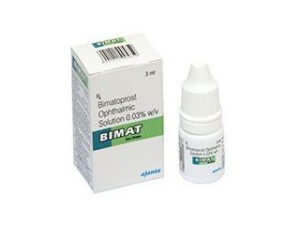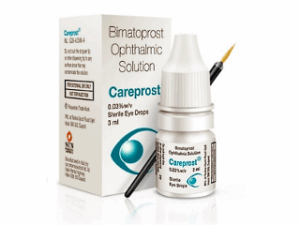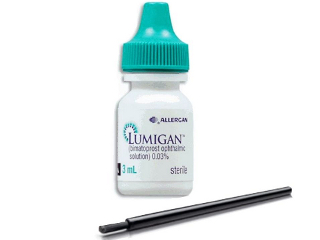
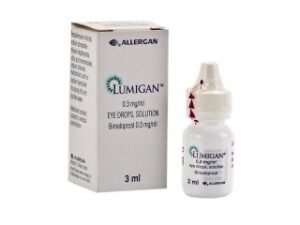
Lumigan + Applicators (Bimatoprost) — Patient-Friendly Guide (Australia)
Lumigan + Applicators is a brand of bimatoprost, a medicine used to help lower intraocular pressure (pressure inside the eye). It is supplied with applicators designed to make dosing simpler and more consistent.
This guide explains what the medicine does, how it works, how to use it safely, what to expect, and when to seek medical advice. It is written for people in Australia and is intended to be easy to understand.
Key Product Information
| Feature | Details |
|---|---|
| Medicine | Bimatoprost |
| Brand | Lumigan (with applicators) |
| Purpose | Helps lower high pressure in the eye |
| How it’s used | Topical ophthalmic application to the affected eye(s) |
| Typical duration of treatment | Long-term (often ongoing), depending on your condition |
| Common side effect | Eye redness, itching or mild irritation |
What Lumigan Does (Indications)
In Australia, bimatoprost eye drops are used to treat conditions associated with increased eye pressure, particularly:
- Open-angle glaucoma
- Ocular hypertension (higher-than-normal eye pressure)
Lowering intraocular pressure can help reduce the risk of optic nerve damage over time.
How It Works: Mechanism of Action
Bimatoprost belongs to a group of medicines often referred to as prostaglandin analogues (or prostaglandin-related agents). It helps reduce intraocular pressure mainly by:
- Increasing outflow of fluid (aqueous humour) from inside the eye, particularly via pathways that allow fluid to leave the eye more effectively.
- Supporting a pressure-lowering effect that helps maintain healthier optic nerve function.
Because it focuses on improving the eye’s fluid drainage, it is generally used once daily (as directed).
Pharmacokinetics (How the Body Handles Bimatoprost)
Understanding pharmacokinetics helps set expectations about speed and persistence of effect.
- Local action: Bimatoprost primarily works at the level of the eye.
- Absorption: Some medicine may enter the bloodstream through the eye surface, but systemic (whole-body) exposure is generally low when used correctly.
- Metabolism: Bimatoprost is metabolised in the body, including pathways involving de-ethylation and oxidation processes.
- Elimination: Metabolites are cleared mainly through renal (kidney) and hepatic (liver) pathways.
Clinical takeaway: For most people, the effect is local and the overall systemic exposure is relatively limited with proper ophthalmic use.
When It Starts Working (Timing)
Many people notice pressure improvements within the first days to weeks, while the full effect may take longer.
- Typical onset: Intraocular pressure may begin to improve after initial doses.
- Full effect: Often assessed over the following weeks, depending on your treatment plan and monitoring schedule.
Important: For consistent results, it’s important to use Lumigan at the same time each day as instructed.
Typical Use in Daily Life
Lumigan with applicators is designed for convenient, accurate eye dosing. Your clinician or pharmacist will advise the exact regimen, but the most common schedule is:
- Once daily application to the affected eye(s)
- Often used in the evening or at bedtime (your prescriber may specify timing)
Why timing matters: Some prostaglandin-related treatments show stronger pressure-lowering effects when administered at a consistent time, often in the evening.
Dose and Administration (General Guidance)
Please follow the instructions provided with your product and your healthcare professional’s advice.
Usual dosing approach (typical)
- One application to the affected eye(s) once daily.
- Do not use more than directed to “make it work faster.”
How to use the applicator safely (practical steps)
- Wash hands thoroughly.
- If you wear contact lenses, remove them before use. Ask your pharmacist or clinician when lenses can be reinserted after application.
- Look upward and gently pull down the lower eyelid to form a small pocket.
- Apply the medicine as directed to the conjunctival sac or along the instructed area using the applicator.
- Close the eye gently and avoid squeezing.
- After application, consider punctal occlusion (gentle pressure at the inner corner of the eye) for about 1–2 minutes if advised—this can reduce medicine draining into the nose and improve comfort.
- Replace the cap and store properly.
Do not touch the tip of the applicator to the eye or eyelids unless the device design explicitly permits contact as per product instructions.
If you miss a dose
- Apply it as soon as you remember if it is not close to the next dose.
- If it’s nearly time for the next dose, skip the missed dose.
- Do not double the dose.
Food Interactions
Food interactions are unlikely for most people using bimatoprost eye drops, because the medicine is applied locally to the eye rather than taken by mouth.
- No specific dietary restrictions are generally required.
- For best results, focus on using the medication consistently and maintaining your usual diet.
If you experience unusual symptoms after starting therapy, discuss them with a healthcare professional.
Alcohol Interactions
There is typically no direct alcohol interaction expected with bimatoprost used as eye drops.
- However, alcohol may affect overall comfort, hydration, and dry-eye symptoms in some people.
- If you notice increased stinging, redness, or blurred vision after drinking alcohol, consider limiting alcohol and speak to a pharmacist or doctor.
Medicine Interactions (Including Eye Drops)
Bimatoprost may be used alongside other glaucoma or ocular hypertension treatments. Still, interactions can occur primarily in the way medicines are combined in the eye.
Spacing with other eye medicines
- If you use other eye drops (for example, beta-blockers, carbonic anhydrase inhibitors, or lubricating drops), allow at least 5–10 minutes between products unless your healthcare professional advises otherwise.
- Do not mix products together.
Systemic medicine interactions
Because systemic absorption from the eye is generally low, clinically significant systemic interactions are less common. Still, let your healthcare professional know about all medicines and supplements you use, including:
- Other eye drops and ointments
- Blood pressure medications
- Diabetes medicines
- Herbal supplements
Tell your clinician if you use prostaglandin-related products
Using multiple prostaglandin analogues can increase the risk of side effects. Your clinician will advise what is appropriate for your specific treatment plan.
Safety Profile and Side Effects
Like all medicines, bimatoprost can cause side effects. Many are mild and improve as your eyes adjust.
Common side effects
- Eye redness
- Itching or irritation
- Dry eye sensation
- Rubbing discomfort or mild stinging after application
- Change in eyelash growth (longer/thicker eyelashes)
- Darkening of eyelashes over time
Some people also experience slight changes around the eye such as eyelid skin darkening, and the treated eye may look different cosmetically due to increased pigmentation in the lashes and sometimes the iris (see below).
Notable effects (should be discussed with your clinician)
- Increased pigmentation of the iris may occur, especially in people with mixed-colour or lighter-coloured irises. This effect may be long-lasting.
- Periorbital (around-eye) skin darkening can occur.
- Changes in eyelash appearance (thicker/longer) are possible.
Less common but serious risks — seek prompt advice
Get medical help urgently if you develop:
- Severe eye pain
- Marked swelling of the eyelids
- Significant light sensitivity
- Sudden or worsening blurred vision
- Symptoms of eye infection (e.g., pus-like discharge)
- New floaters or sudden vision changes (if accompanied by other symptoms)
Who should be extra cautious?
- People with a history of inflammation inside the eye (uveitis)
- People with certain eye surface disease (for example, severe dry eye or corneal conditions)
- People who have had eye surgery and are currently recovering—your clinician may tailor dosing and follow-up
Practical Use Tips for Better Comfort
- Consistency matters: use at the same time each day.
- Gentle handling: avoid rubbing the eye after application.
- Reduce spill and runoff: keep the applicator steady and avoid blinking immediately after dosing.
- Consider preservative-free options if needed: if you are sensitive to additives in eye drops, ask your pharmacist about preservative-free alternatives (availability may vary).
- Manage dryness: if you use artificial tears, separate them from bimatoprost by at least 5–10 minutes.
- Monitor cosmetic changes: eyelashes and iris pigmentation may change—many people find this acceptable, but it’s helpful to know what can happen.
- Keep appointments: ongoing eye pressure and optic nerve monitoring remains essential even when you feel well.
Alternative Options
If Lumigan (bimatoprost) isn’t suitable, your healthcare professional may consider other medications or options depending on your diagnosis and response.
Other eye pressure-lowering medicines
- Prostaglandin analogues (similar class; may differ by brand and formulation)
- Beta-blocker eye drops
- Carbonic anhydrase inhibitors
- Alpha-agonists
- Combination eye drops that include bimatoprost with another agent (where appropriate)
Non-medicine approaches
- Laser therapy in certain glaucoma types
- Surgical options if medical therapy is insufficient or not tolerated
Your clinician will choose the best approach based on your eye health, risk factors, and treatment goals.
Australia Market & Legal/Availability Context (General)
In Australia, products containing bimatoprost are supplied through regulated pharmacy channels. Availability may depend on formulation, strength, and whether the product is imported or locally distributed.
- Supply can vary by state and by pharmacy ordering systems.
- Packaging and labelling will include important dosing instructions and safety information.
- Follow local pharmacy and healthcare guidance for safe supply and use.
Recent guidance (high-level): Ongoing glaucoma care typically emphasises correct daily adherence, regular monitoring of eye pressure and optic nerve health, and prompt evaluation of persistent or severe eye symptoms. If you change therapy, it’s important to maintain follow-up as scheduled.
Delivery and Availability (Online Pharmacy)
Online pharmacies in Australia may offer delivery for eligible products. Availability of Lumigan + applicators may depend on stock at the time of ordering.
- Packaging: products are typically shipped in secure outer packaging to protect bottles/applicators.
- Storage: store as directed on the label (commonly at controlled room temperature; avoid heat and direct sunlight).
- Delivery time: varies based on location and dispatch times.
Before placing an order, check the product listing for current stock status, brand/formulation, and delivery details.
Frequently Asked Questions (FAQ)
1) Is Lumigan the same as bimatoprost?
Yes. Lumigan is a brand name; the active ingredient is bimatoprost. “Lumigan + applicators” refers to the packaging format designed to help apply the medicine accurately.
2) How long will I need to use it?
Glaucoma and ocular hypertension are usually chronic conditions. Many people use bimatoprost long-term. Your clinician will review your response using eye pressure tests and optic nerve monitoring.
3) What time of day should I use it?
A consistent daily time is important. Many regimens use evening or bedtime dosing. Follow the instructions provided with your product or by your healthcare professional.
4) What should I do if my eye becomes very red or painful?
Mild redness can happen, but severe pain, significant swelling, or sudden vision changes require prompt medical assessment. Contact your pharmacist or doctor urgently if symptoms are intense or worsening.
5) Will it change my eyelashes?
It may. Increased eyelash length/thickness and darker eyelashes are known effects for some users. These are usually cosmetic and not harmful, but tell your clinician if you notice irritation or the lashes start rubbing.
6) Can it change my iris colour?
It can in some cases. Iris pigmentation changes have been reported, often in people with mixed-colour or lighter-coloured eyes. This change may be long-lasting.
7) Do I need to remove contact lenses?
Most people should remove contacts before applying eye drops and wait before reinserting. Follow the guidance on your product label and your pharmacy advice.
8) Can I use Lumigan with other eye drops?
Often yes, but spacing matters. Typically, wait 5–10 minutes between different eye drops unless otherwise instructed.
9) What if I miss a dose?
Use it when you remember if it’s not close to the next dose. If near the next dose, skip the missed dose. Do not double.
10) Are there food or alcohol restrictions?
Specific food restrictions are not usually required. There’s typically no direct alcohol interaction, but alcohol may worsen dry-eye discomfort for some people.
When to Contact a Healthcare Professional
Seek advice if you have:
- Persistent burning, worsening redness, or discomfort not improving with time
- Eye pain, light sensitivity, or sudden change in vision
- Signs of infection (for example, discharge and marked lid swelling)
- Any concerns about unusual pigmentation changes
Regular follow-up is important for glaucoma care, even if you feel well.
Summary
Lumigan + Applicators (bimatoprost) lowers intraocular pressure by helping the eye drain fluid more effectively. It is commonly used once daily—often in the evening—and is suitable for conditions such as open-angle glaucoma and ocular hypertension. Side effects may include redness, irritation, and changes to eyelashes or pigmentation. With correct use and regular monitoring, bimatoprost can be an important part of long-term eye health management.
Always read the product packaging and follow advice from your pharmacist or eye care professional for the safest and most effective use.